
Mammal
Western Hoolock Gibbon
Hoolock hoolockAlso known as White-browed Gibbon
Western hoolock gibbons are monogamous canopy dwellers celebrated for their loud, coordinated morning duets that resonate across miles of dense forest. Using hook-like hands and extraordinary shoulder mobility, they swing beneath branches in fluid brachiation leaps spanning up to ten meters. Family units defend established home ranges focused around fruiting fig trees, heavily relying on contiguous old-growth forest for travel and foraging.
ArborealFrugivorousVocal
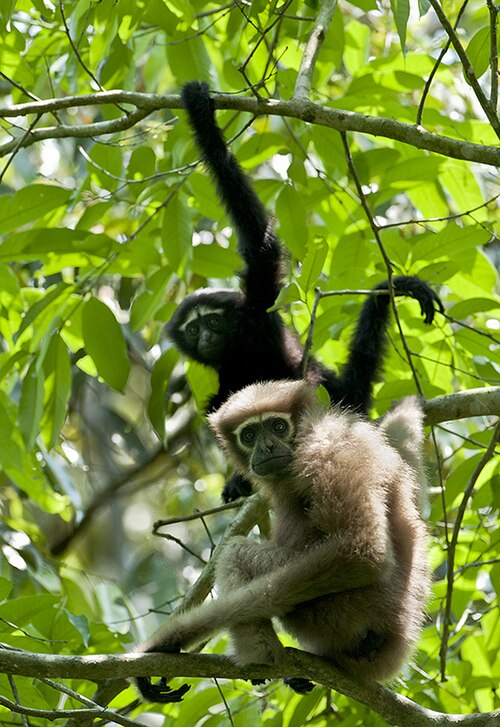
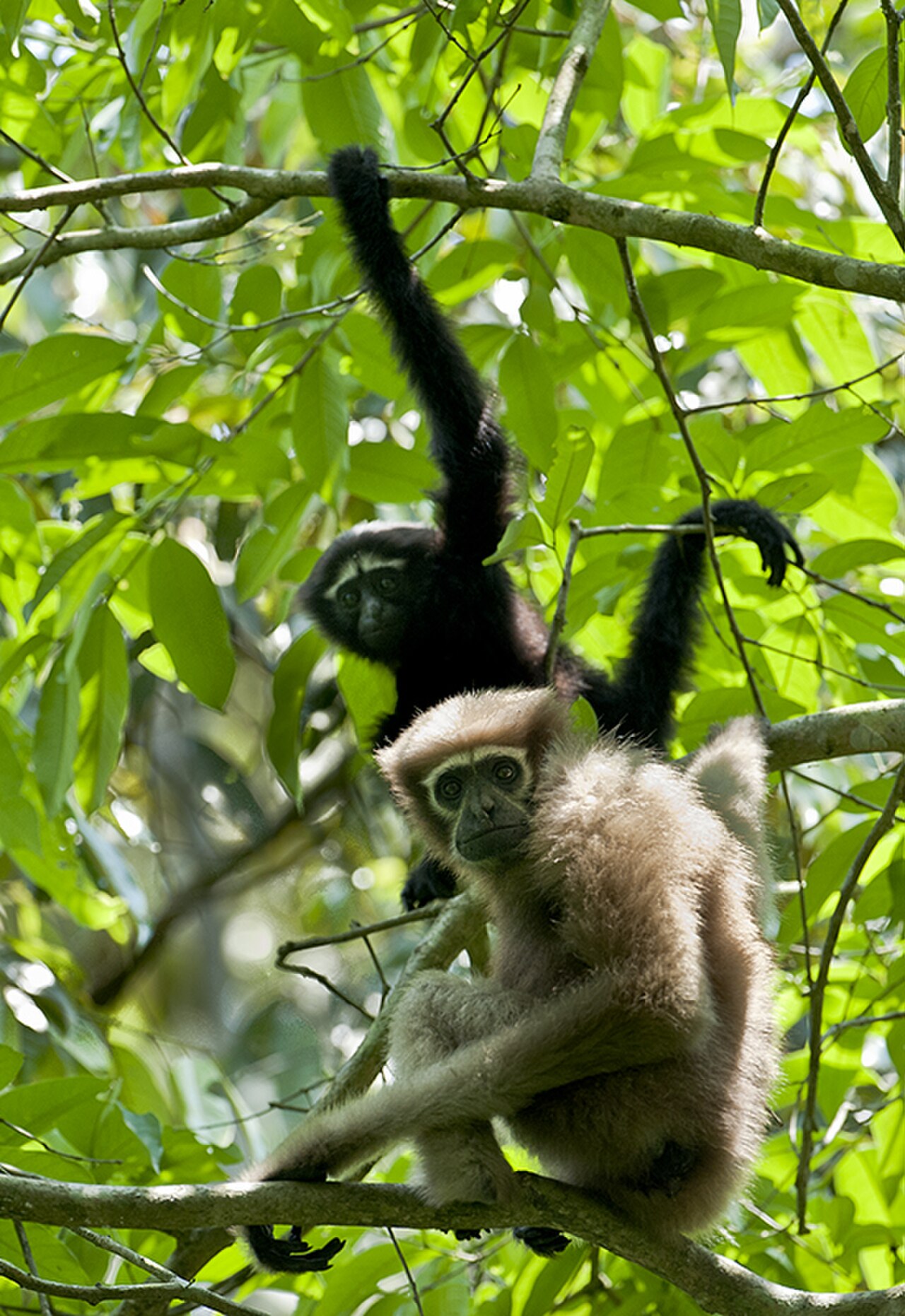
—observations
—countries
—peak records
EndangeredConservation statusIUCN Red List categoriesLCNTVUENCREWEXEndangeredRed List categories, explained →
Diet & preyFigs, Wild fruit, Tree canopy insects
Predators
- Leopard
- Clouded leopard
- Burmese python
ThreatsSevere forest fragmentation, agricultural expansion, and hunting
HabitatsTropical evergreen and semi-evergreen broadleaf forests
Life span25–35 years
Classification
- FamilyHylobatidae
- SpeciesHoolock hoolock
Range data is not available yet.
Interaction riskLow
- Low
- Moderate
- High
- Very high
- Why interaction risk is low
- Possesses sharp canines and may bite if cornered; observe quietly from the ground.
- Why it is dangerous
- Large, knife-sharp canine teeth and strong jaws can inflict deep puncture wounds if animals are cornered or handled.
- How to recognize a risky encounter
- Look for a tail-less ape with prominent white brow bands; males are jet black while adult females are golden-buff.
- What to do
- Never attempt to approach fallen or captive gibbons; leave rescue operations entirely to trained wildlife rehabilitators.
- What to notice
- Recognizable by their complete lack of a tail, long slender arms, and booming territorial chorus at sunrise.
- Support conservation
- Maintain silent observation at a distance of at least thirty meters and avoid using playback calls to lure groups.
Responsible observation
- Listen Early: Morning duets typically begin around dawn and offer the most reliable way to locate groups.
- Keep Distance: Watch from the forest floor using binoculars to avoid altering their foraging routes.
- Stay on Trails: Dense ground vegetation provides cover for venomous snakes and disturbs root systems.
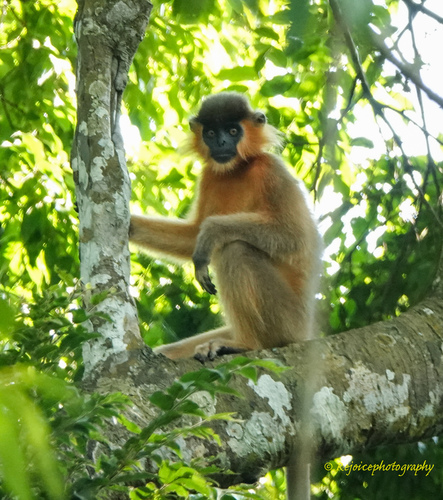
Forest Neighbor (c) Rejoice Gassah, some rights reserved (CC BY), uploaded by Rejoice Gassah · cc-by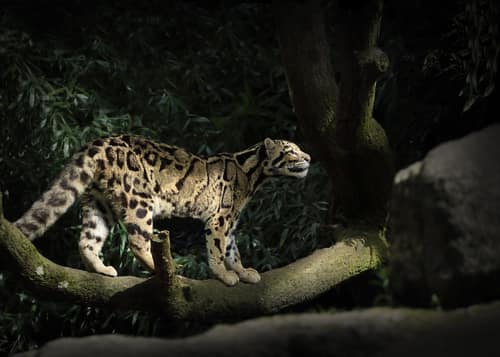
Predator "Clouded Leopard catching the light" by charlieishere@btinternet.com is licensed under CC BY 2.0. To view a copy of this license, visit https://creativecommons.org/licenses/by/2.0/. · cc-by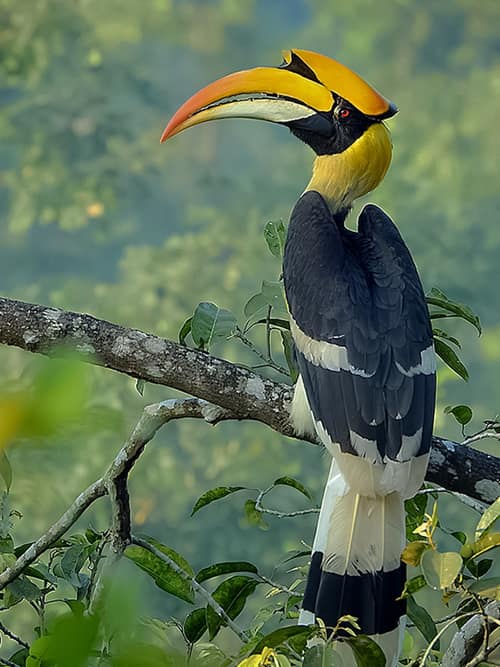
Competitor Shantanu Kuveskar / CC BY-SA 4.0 · cc-by-sa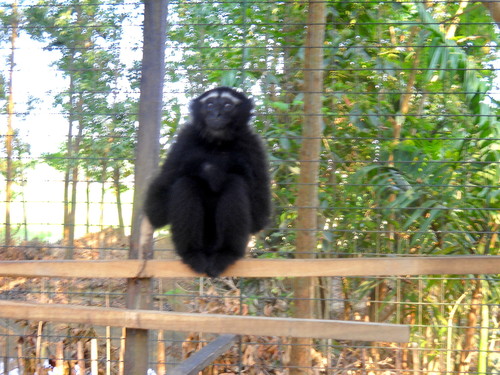
Close Relative (c) Rahim, Abdur, some rights reserved (CC BY-SA) · cc-by-sa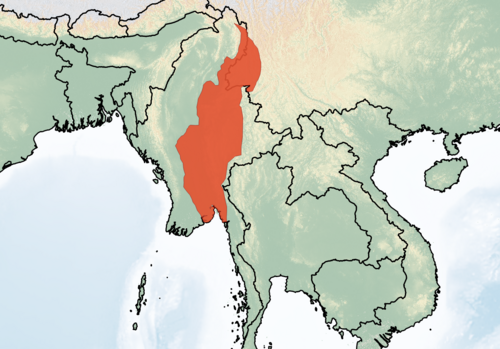
Close Relative PhnomPencil / CC BY-SA 4.0 · cc-by-sa
Same Family (c) Ladislav Král, some rights reserved (CC BY-SA) · cc-by-sa
Help improve the field guideSomething wrong?
Checking your Fauna account…Report a name, category, or profile issue for review.