
Mammal · GBIF taxon 5219553
Lar Gibbon
Hylobates larAlso known as White-handed Gibbon, Common Gibbon
Lar gibbons move through the tropical canopy with remarkable speed using brachiation, fluidly swinging from branch to branch on long arms and hook-like hands. Monogamous pairs defend permanent territories through elaborate morning duets that resonate across miles of dense forest. Coat colors range from pale cream to dark brown, though all individuals feature signature white hands, white feet, and a ring of white fur encircling their dark face.
ArborealVocal
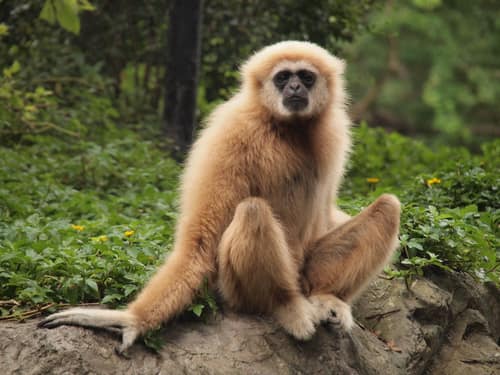
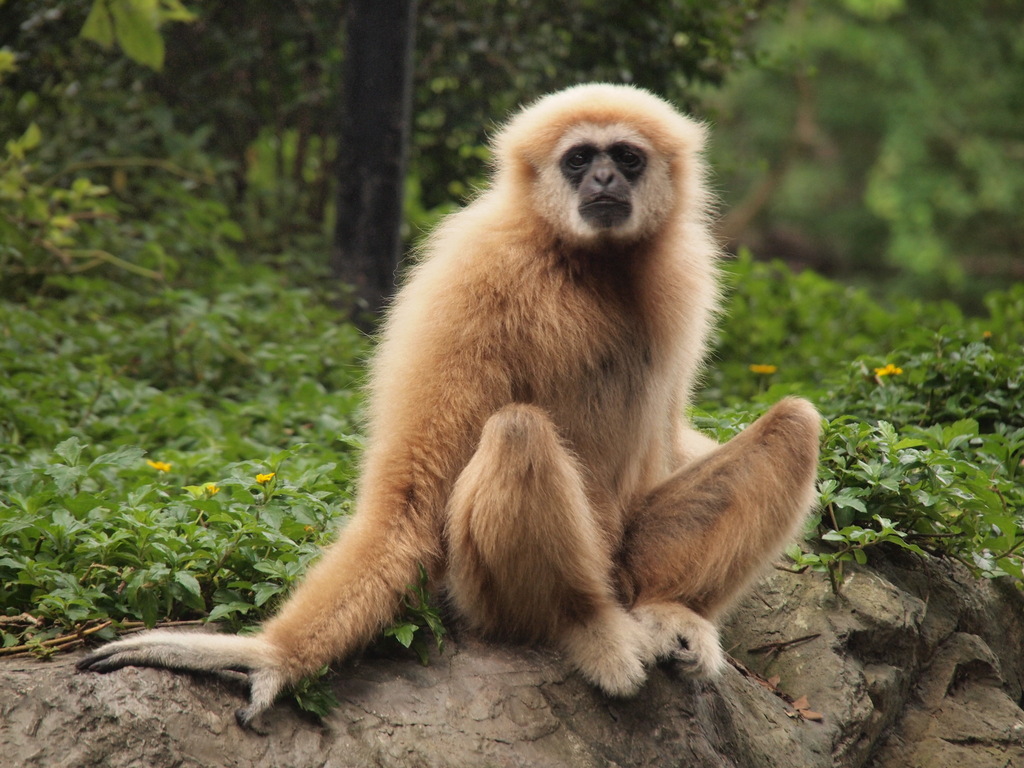
—observations
—countries
—peak records
EndangeredConservation statusIUCN Red List categoriesLCNTVUENCREWEXEndangeredRed List categories, explained →
Diet & prey
- Figs
- Lianas
- Insects
Predators
- Leopards
- Reticulated Pythons
- Crested Serpent Eagles
ThreatsDeforestation, forest fragmentation, poaching, illegal pet trade
HabitatsDipterocarp rainforests, tropical evergreen and mixed deciduous forests
Life span25–30 years in the wild
Size / weightNot available
Classification
- OrderPrimates
- FamilyHylobatidae
- GenusHylobates
- SpeciesHylobates lar
Range data is not available yet.
Interaction riskLow
- Low
- Moderate
- High
- Very high
- Why interaction risk is low
- Sharp canine teeth can inflict deep defensive bites if cornered; maintain a respectful distance in the wild.
- Why it is dangerous
- Strong jaws and long canines deliver severe puncture wounds, and close contact risks zoonotic disease transmission.
- How to recognize a risky encounter
- Look for distinct white fur on the hands, feet, and face margin paired with high-speed canopy acrobatics.
- What to do
- Maintain a safe distance of at least 15 meters and never attempt to feed or touch wild primates.
- What to notice
- Recognize by acrobatic brachiation high in primary rainforest canopy and loud melodious calling.
- Support conservation
- Avoid using call playback to attract them, as this disrupts territorial defense and pair bonding.
Responsible observation
- Listen Early: Early morning hours offer the best chance to locate groups by their loud duets.
- Scan the Upper Canopy: Look high in mature canopy trees where these gibbons spend almost all their time.
- Do Not Feed: Never offer food to wild gibbons, as human diseases easily transmit to primates.
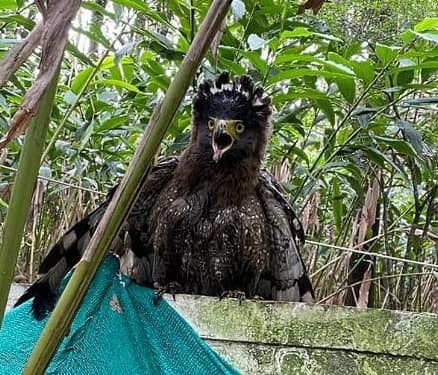
Predator (c) Seema Merchant, some rights reserved (CC BY) · cc-by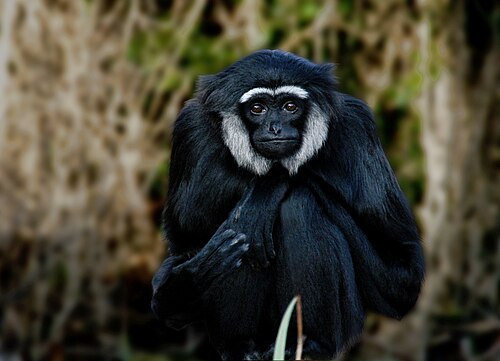
Close Relative Julielangford / CC BY-SA 3.0 · cc-by-sa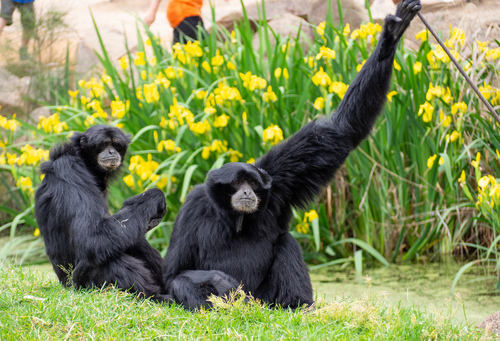
Sympatric Relative (c) Maksym Kozlenko, some rights reserved (CC BY-SA) · cc-by-sa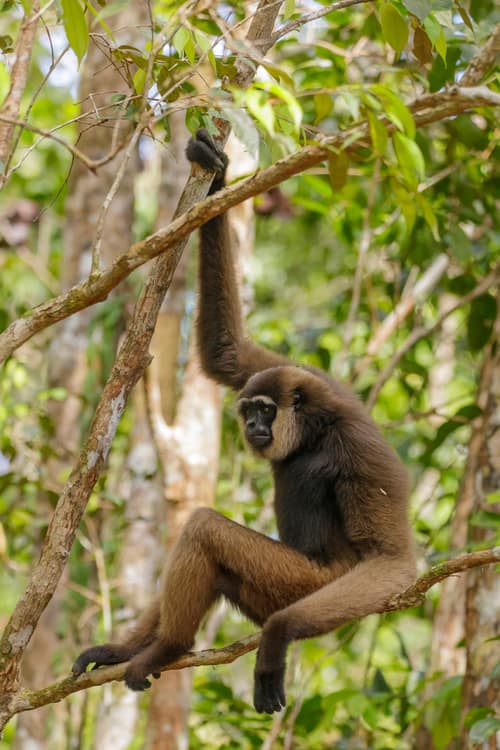
Close Relative (c) Thomas Fuhrmann, some rights reserved (CC BY-SA) · cc-by-sa
Help improve the field guideSomething wrong?
Checking your Fauna account…Report a name, category, or profile issue for review.