
Invertebrate
Spanish Dancer
Hexabranchus sanguineusAlso known as Spanish Dancer Nudibranch
Reaching lengths over 40 centimeters, the Spanish dancer ranks among the largest sea slugs on Earth, named for the rhythmic, undulating skirt movements it displays when swimming through open water. By day it hides inside crevices and under coral ledges, emerging at night to graze on toxic marine sponges and sequestering their chemical compounds for its own defense. Reproduction yields remarkable sights as well, with females depositing expansive, rose-shaped spirals of bright scarlet egg ribbons across the reef.
NocturnalReef DwellerSwimmer
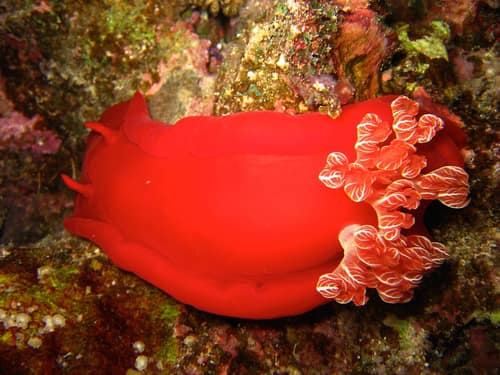
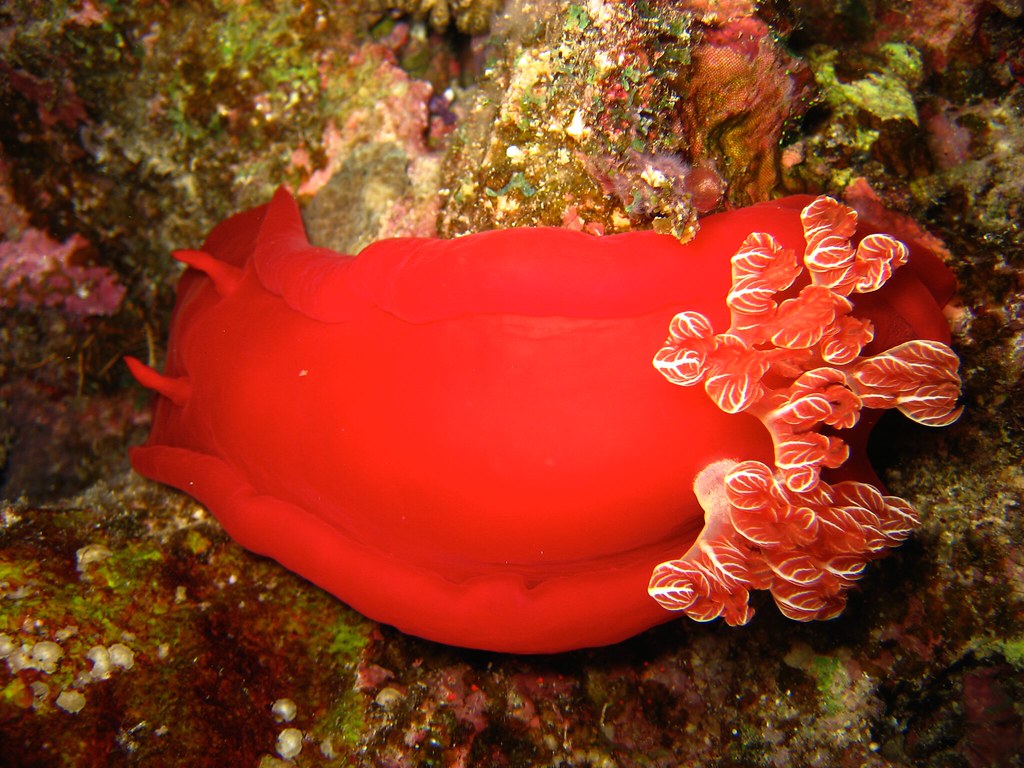
—observations
—countries
—peak records
Not EvaluatedConservation statusIUCN Red List categoriesLCNTVUENCREWEXNot Evaluated — not placed on the risk ladderRed List categories, explained →
Diet & preyHalichondria Sponges, Haliclona Sponges, Dysidea Sponges
Predators
- Hawksbill Sea Turtle
- Large Triggerfish
- Pufferfish
ThreatsCoral reef degradation, ocean warming, marine pollution
HabitatsTropical coral reefs and rocky drop-offs
Life span1–2 years
Classification
- FamilyHexabranchidae
- SpeciesHexabranchus sanguineus
Range data is not available yet.
Interaction riskHigh
- Low
- Moderate
- High
- Very high
- Why interaction risk is high
- Safe to observe at a normal distance.
Responsible observation
- Night Diving: Search along outer reef walls after dusk when individuals leave hideaways to feed.
- Observation Etiquette: Never prod a resting slug to induce swimming; swimming expends vital energy.
- Look For Egg Ribbons: Scan vertical coral surfaces for ruffled, bright red egg rosettes.
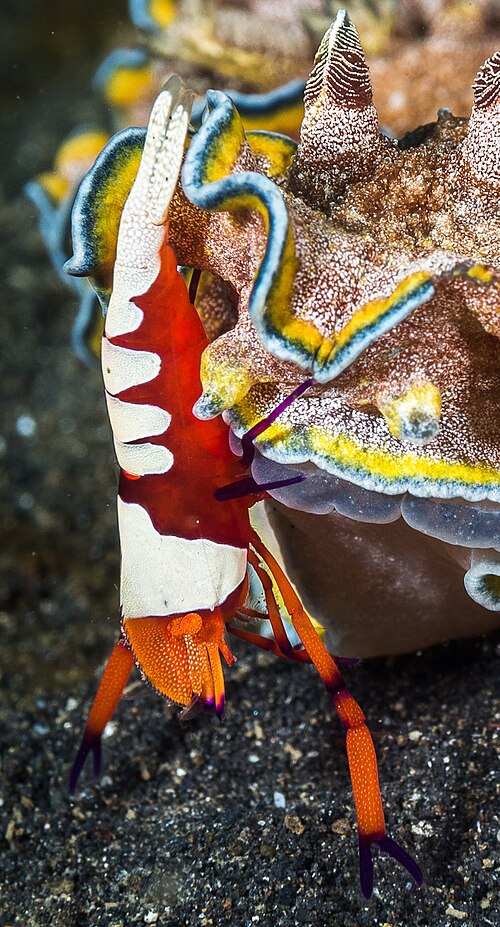
Symbiont Christian Gloor from Wakatobi Dive Resort, Indonesia / CC BY 2.0 · cc-by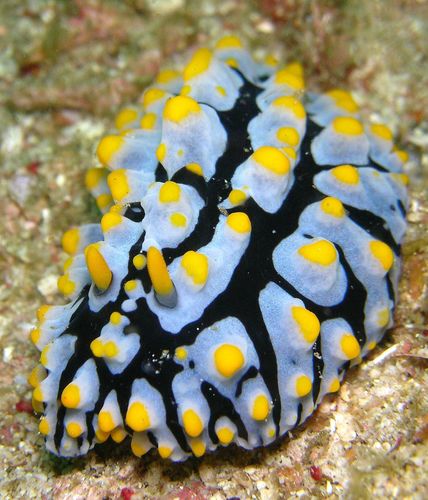
Neighbor (c) Steve Childs, some rights reserved (CC BY) · cc-by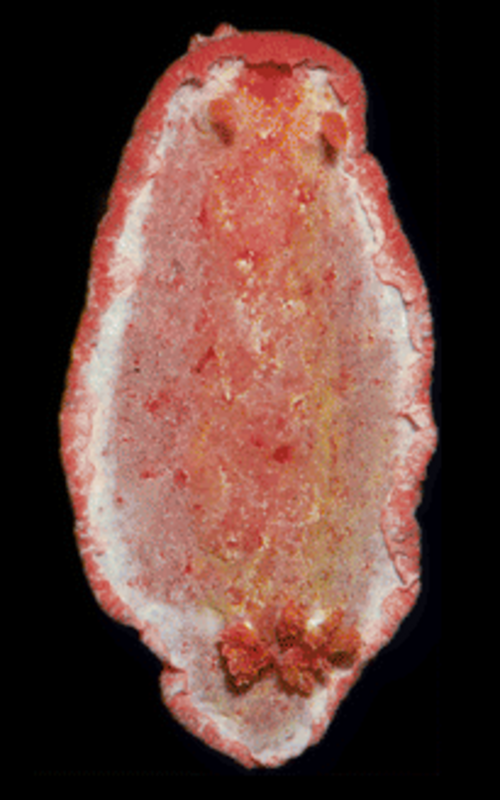
Close Relative Patrick J. Krug & Ángel Valdés / CC BY 4.0 · cc-by
Help improve the field guideSomething wrong?
Checking your Fauna account…Report a name, category, or profile issue for review.