
Bird
Antipodean Albatross
Diomedea antipodensisAlso known as Antipodean Wandering Albatross
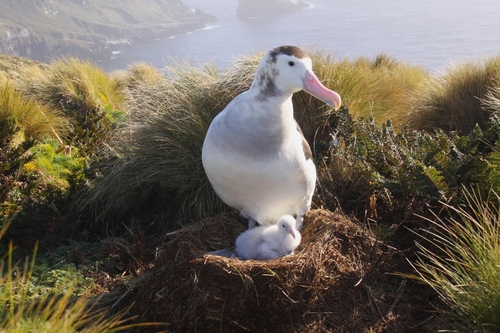
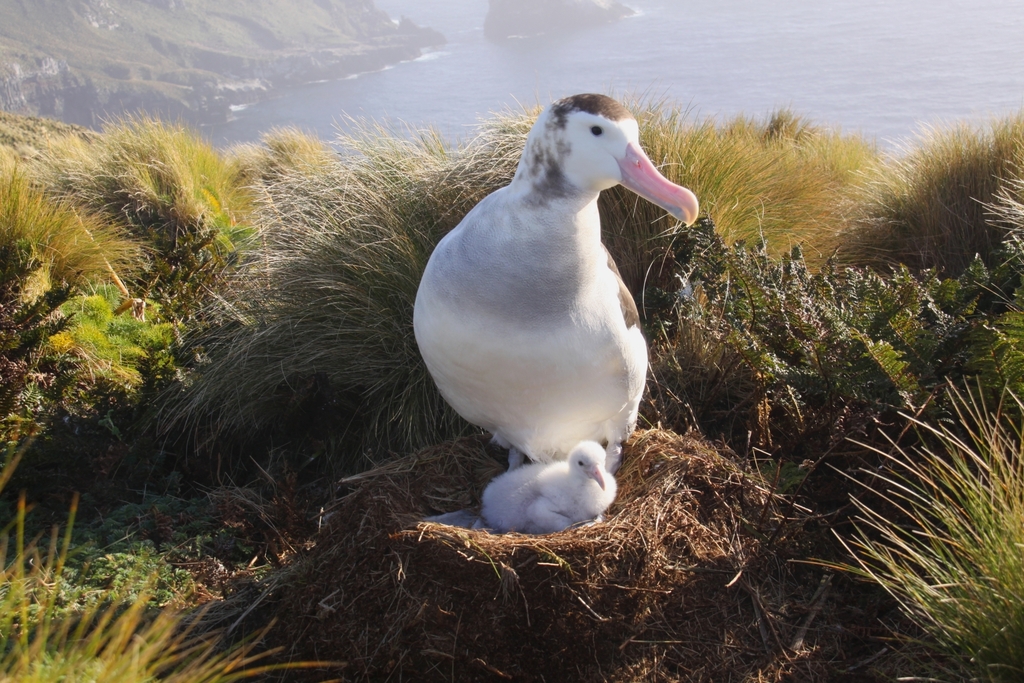
Antipodean albatrosses glide effortlessly for thousands of kilometers over the tempestuous Southern Ocean, rarely flapping their massive wings as they harness marine wind gradients. Mated pairs return to remote subantarctic ridges to raise a single chick every two years, engaging in elaborate courtship dances featuring bill clapping and spread wings. Severe longline fishing bycatch has driven steep population declines, making these magnificent ocean wanderers a focal point for international conservation.
PelagicSeabird
—observations
—countries
—peak records
EndangeredConservation statusIUCN Red List categoriesLCNTVUENCREWEXEndangeredRed List categories, explained →
Diet & preySquid, Fish, Crustaceans
Predators
- Brown skua
- Giant petrel
ThreatsLongline fishing bycatch, ocean warming, and introduced predators
HabitatsPelagic waters and open subantarctic island ridges
Life span40–60 years
Classification
- FamilyDiomedeidae
- SpeciesDiomedea antipodensis
Range data is not available yet.
Interaction riskLow
- Low
- Moderate
- High
- Very high
- Why interaction risk is low
- Safe to observe at a normal distance from pelagic boats.
- What to notice
- Look for a dark brown or mottled body paired with a massive pink bill and dark wing tops.
- Support conservation
- Keep clear of sensitive nesting slopes and avoid feeding or crowding seabirds during pelagic vessel tours.
Responsible observation
- Pelagic Photography: Use high shutter speeds to capture rapid banking glides over ocean swells.
- Island Protection: Avoid landing on restricted subantarctic breeding sites without official conservation permits.
- Fisheries Support: Choose sustainably certified seafood to reduce destructive longline bycatch.
 Image unavailable
Competitor 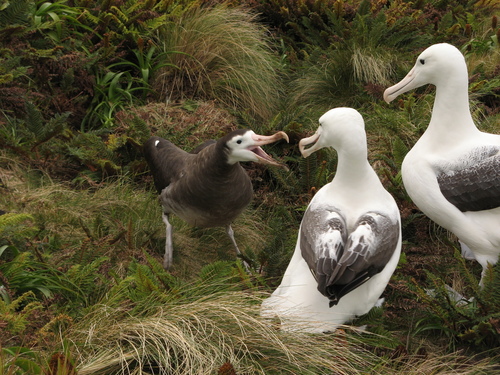
Close Relative (c) M Rutherford, some rights reserved (CC BY) · cc-byClose Relative
Help improve the field guideSomething wrong?
Checking your Fauna account…Report a name, category, or profile issue for review.