
Invertebrate
Japanese Blue Crab
Portunus trituberculatusAlso known as Gazami Crab, Japanese Swimming Crab, Horse Crab
Gazami crabs dominate eastern Asian coastal waters with flattened, paddle-like hind legs that allow swift, graceful swimming through murky estuaries and shallow seas. Active hunters and scavengers, they spend daylight hours buried in sandy or muddy substrate with only their eyes and antennae exposed. Females migrate to deeper offshore waters during winter to spawn millions of eggs, anchoring one of the largest crab fisheries on Earth.
MarineSwimming CrabInvertebrate
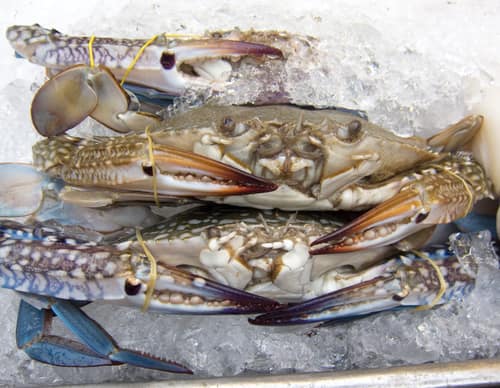
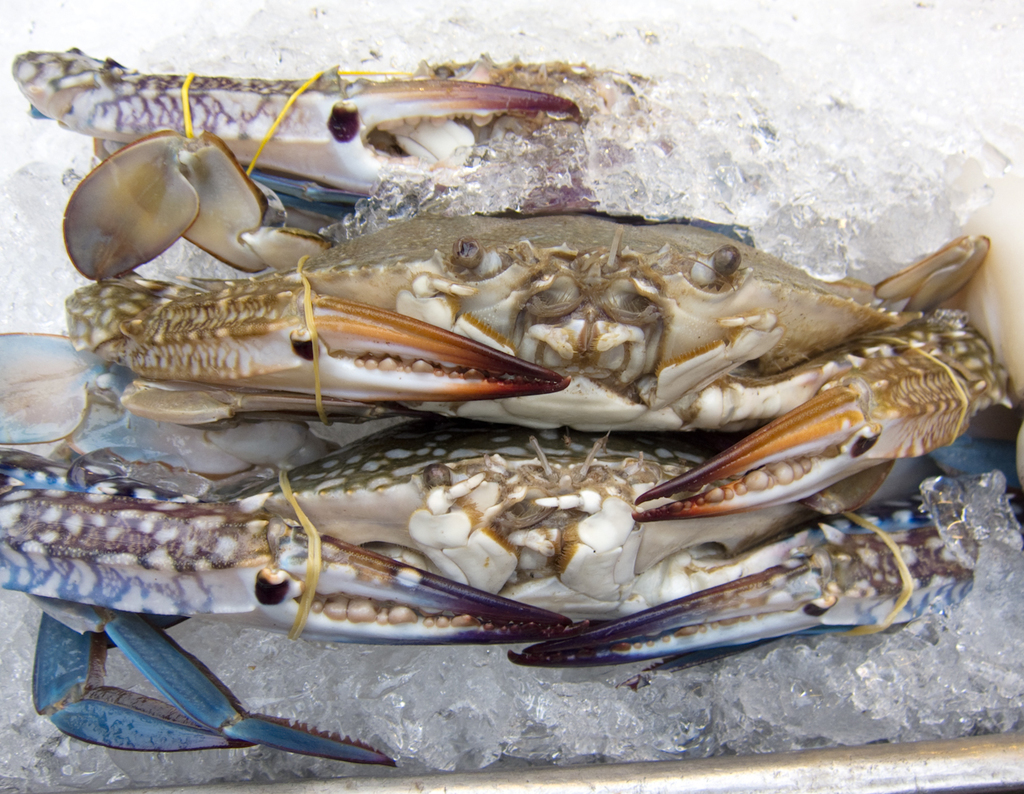
—observations
—countries
—peak records
Not EvaluatedConservation statusIUCN Red List categoriesLCNTVUENCREWEXNot Evaluated — not placed on the risk ladderRed List categories, explained →
Diet & preyClams, Small fish, Marine worms
Predators
- Large marine fish
- Octopuses
- Sea turtles
ThreatsOverfishing, coastal pollution, and habitat destruction
HabitatsShallow coastal waters, muddy bays, and estuaries
Life span3 to 5 years
Classification
- FamilyPortunidae
- SpeciesPortunus trituberculatus
Range data is not available yet.
Interaction riskLow
- Low
- Moderate
- High
- Very high
- Why interaction risk is low
- Powerful claws can break skin; observe carefully and keep fingers away from pincers.
- Why it is dangerous
- Equipped with strong pincers and sharp lateral spines capable of inflicting painful cuts or crushing injuries.
- How to recognize a risky encounter
- Look for a broad, greenish-brown carapace with sharp lateral points and broad paddle legs at the rear.
- What to do
- Give crabs ample room in shallow water and avoid reaching into murky silt where they bury themselves.
Responsible observation
- Observation: Look for their eye stalks sticking out of soft sand in shallow tidal zones.
- Handling: Keep hands clear of pincers when sorting fishing catches or wading near the seabed.
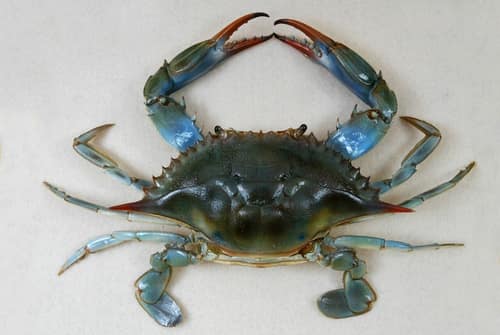
Ecological Counterpart Wikimedia Commons / CC BY-SA 3.0 · cc-by-sa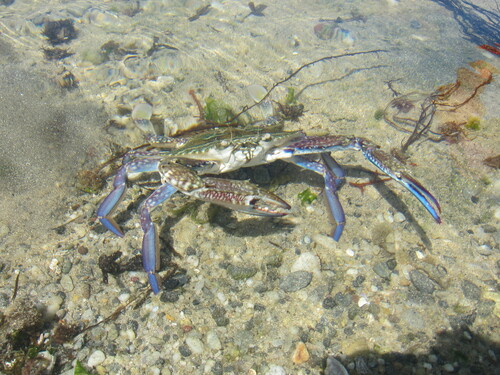
Close Relative (c) Sockrosma, some rights reserved (CC BY) · cc-by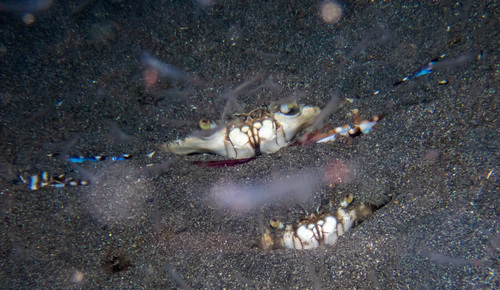
Close Relative (c) portioid, some rights reserved (CC BY) · cc-by
Help improve the field guideSomething wrong?
Checking your Fauna account…Report a name, category, or profile issue for review.