
Mammal · GBIF taxon 5707150
Soprano Pipistrelle
Pipistrellus pygmaeusAlso known as 55 kHz Pipistrelle, Soprano Bat
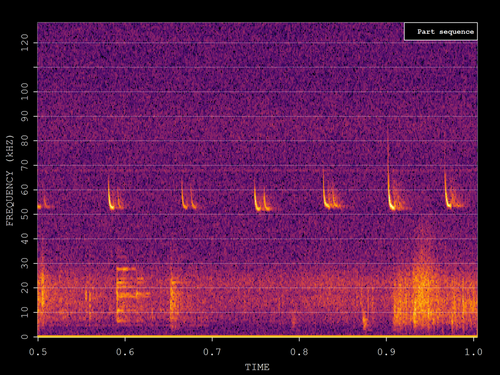
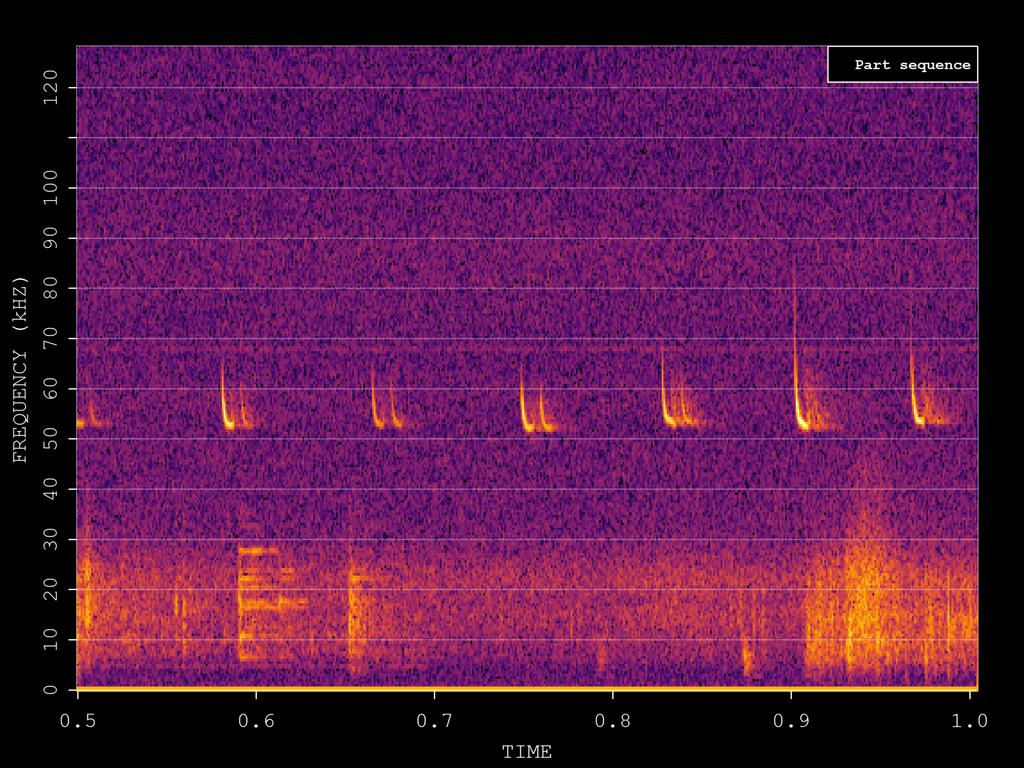
Soprano pipistrelles are tiny aerial hunters that weave through river corridors and wetland canopy gaps in search of swarming aquatic insects. Distinct from their close relatives, they echolocate at a higher peak frequency around 55 kHz, allowing them to precisely target small midges over open water. Maternity colonies often gather by the hundreds in warm roof spaces or tree hollows during summer before dispersing to solitary winter hibernacula.
NocturnalInsectivoreFlying Mammal
—observations
—countries
—peak records
Least ConcernConservation statusIUCN Red List categoriesLCNTVUENCREWEXLeast ConcernRed List categories, explained →
Diet & prey
- Midges
- Mosquitoes
- Caddisflies
Predators
- Barn Owl
- Tawny Owl
- Domestic Cat
ThreatsLoss of roosting sites in modern buildings, pesticide reduction of prey, timber treatments
HabitatsWetlands, riparian woodlands, parks, gardens, human dwellings
Life span4–10 years (up to 15 years in wild)
Classification
- FamilyVespertilionidae
- SpeciesPipistrellus pygmaeus
Range data is not available yet.
Interaction riskModerate
- Low
- Moderate
- High
- Very high
- Why interaction risk is moderate
- May bite defensively if handled and can carry bat lyssaviruses; never touch with bare hands.
- Why it is dangerous
- Can carry European Bat Lyssavirus and deliver a painful defensive bite if cornered or handled.
- How to recognize a risky encounter
- Tiny dark brown bat with broad dark wings, fluttering rapidly near wetlands or emerging from roof crevices.
- What to do
- Never handle directly without thick protective gloves, and contact local bat rescue if an injured individual is found.
- What to notice
- Small bats roosting in tight gaps under roof tiles, weatherboarding, or tree cavities near water.
- Support conservation
- Maintain a respectful distance at roost entrances and avoid shining bright lights directly at emerging individuals.
Responsible observation
- Use a Bat Detector: Tune a heterodyne detector to 55 kHz to distinguish its echolocation calls.
- Watch Water Bodies: Look for rapid, agile flight low over ponds and slow rivers at dusk.
- Observe Roosts Safely: Stand clear of roost entrances at emergence time to avoid disturbing the colony.
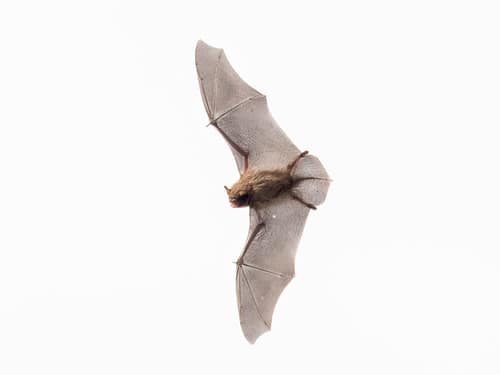
Competitor no rights reserved · cc0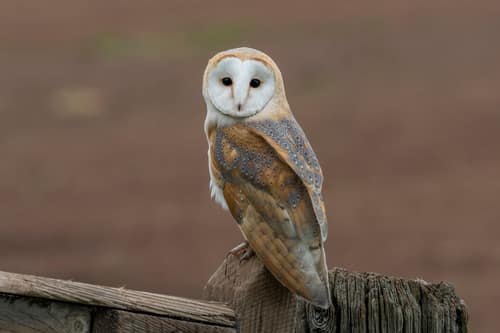
Predator (c) caroline legg, some rights reserved (CC BY) · cc-by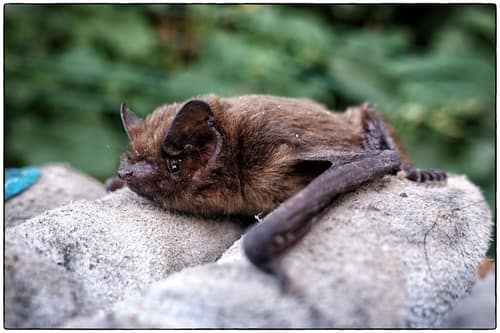
Close Relative "Common Pipistrelle (Pipistrellus pipistrellus)" by Meneer Zjeroen is licensed under CC BY 2.0. To view a copy of this license, visit https://creativecommons.org/licenses/by/2.0/. · cc-by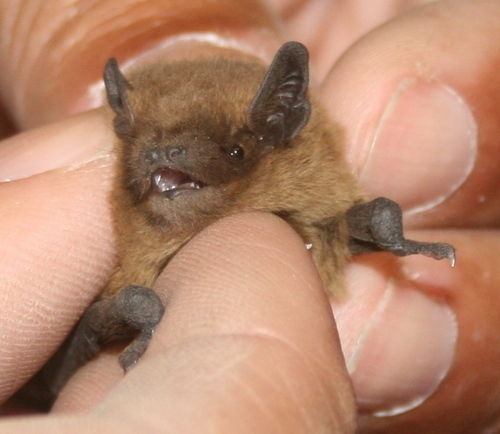
Close Relative (c) fs-phil, some rights reserved (CC BY-SA) · cc-by-sa
Help improve the field guideSomething wrong?
Checking your Fauna account…Report a name, category, or profile issue for review.