
Mammal · GBIF taxon 5218465
Common Pipistrelle
Pipistrellus pipistrellusAlso known as Common Bat, Pipistrelle Bat
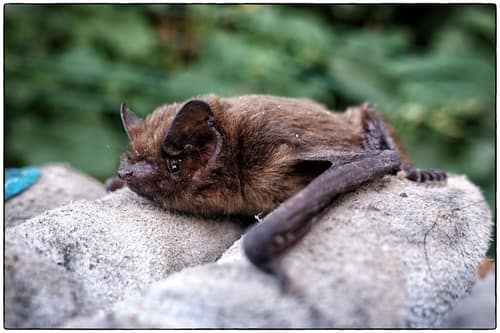
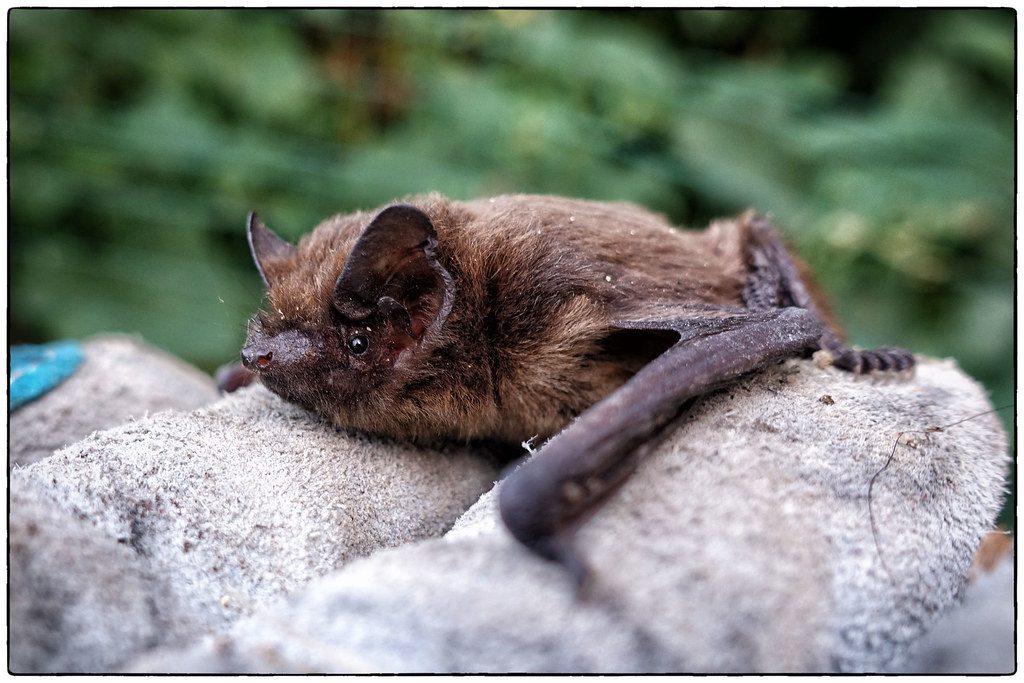
Common pipistrelles emerge shortly after sunset to hunt midges, mosquitoes, and small moths, darting erratically on agile wings along woodland edges, parks, and suburban gardens. Females gather in summer maternity roosts nestled under roof tiles or inside tree hollows, giving birth to a single pup that learns to fly within a month. During winter, they retreat into deep crevices in buildings, stone walls, and caves to hibernate through freezing temperatures.
NocturnalInsectivoreUrban Wildlife
—observations
—countries
—peak records
Least ConcernConservation statusIUCN Red List categoriesLCNTVUENCREWEXLeast ConcernRed List categories, explained →
Diet & prey
- Chironomid Midge
- Mosquito
- Small Moth
Predators
- Domestic Cat
- Barn Owl
- Tawny Owl
ThreatsModern building renovations sealing roosts, artificial light pollution, and insect declines
HabitatsDeciduous woodlands, farmland edges, urban parks, and residential gardens
Life span4–5 years (up to 16 years recorded)
Classification
- OrderChiroptera
- FamilyVespertilionidae
- GenusPipistrellus
- SpeciesPipistrellus pipistrellus
Native
Interaction riskModerate
- Low
- Moderate
- High
- Very high
- Why interaction risk is moderate
- Can carry bat lyssavirus and bite defensively; observe roosts without touching or handling grounded bats.
- Why it is dangerous
- Can transmit European Bat Lyssavirus, a rabies-related pathogen passed through saliva via defensive bites.
- How to recognize a risky encounter
- Body is thumb-sized with chocolate-brown fur, blackish wing membranes, and rapid erratic flight at dusk.
- What to do
- Never touch or pick up a grounded bat with bare hands; use a thick towel or contact a licensed rescuer.
- What to notice
- Recognizable by small droppings beneath roof crevices and dusk emergence along building eaves.
- Support conservation
- Do not obstruct roost entrances or apply chemical timber treatments while bats are present.
Responsible observation
- Evening Watching: Stand near tree lines or garden ponds at dusk to watch their erratic hunting flights.
- Bat Detectors: Tune an ultrasonic detector to 45 kHz to hear their rapid echolocation clicks.
- Roost Protection: Leave known roosts in roof spaces undisturbed, especially during the summer breeding season.
Neighbor (c) kitbeard, some rights reserved (CC BY) · cc-by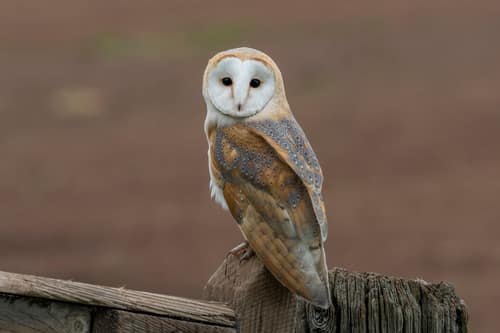
Predator (c) caroline legg, some rights reserved (CC BY) · cc-by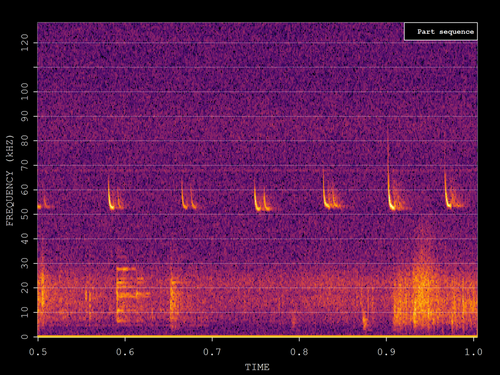
Close Relative no rights reserved · cc0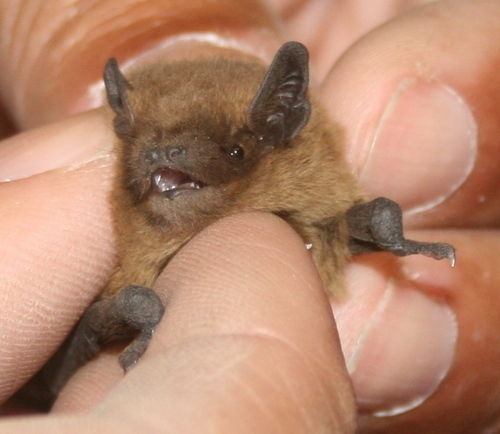
Close Relative (c) fs-phil, some rights reserved (CC BY-SA) · cc-by-sa
Keep collecting in Fauna
Found in Collections
Species set
Moonlight Marvels
Common Pipistrelle is found in this collection. Identify it in Fauna to fill this slot and continue your progress.
—/7
Help improve the field guideSomething wrong?
Checking your Fauna account…Report a name, category, or profile issue for review.