
Mammal · GBIF taxon 5706764
Bank Vole
Myodes glareolusAlso known as European Bank Vole, Red-backed Bank Vole
Bank voles scurry through forest floor leaf litter, using intricate networks of underground burrows and surface runways to forage and evade predators. Female voles defend exclusive breeding territories during spring and summer, rearing multiple litters of four to five young in hidden cup-shaped grass nests. Their keen sense of smell guides them to subterranean truffles and fallen tree seeds, making them vital seed dispersers in broadleaf woodlands.
RodentWoodlandMammal
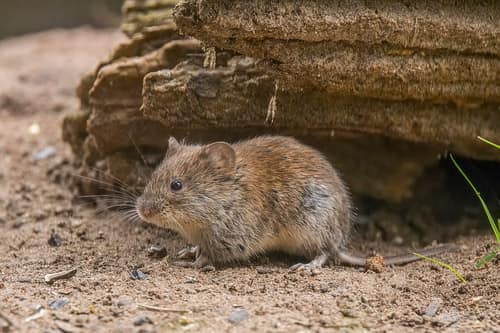
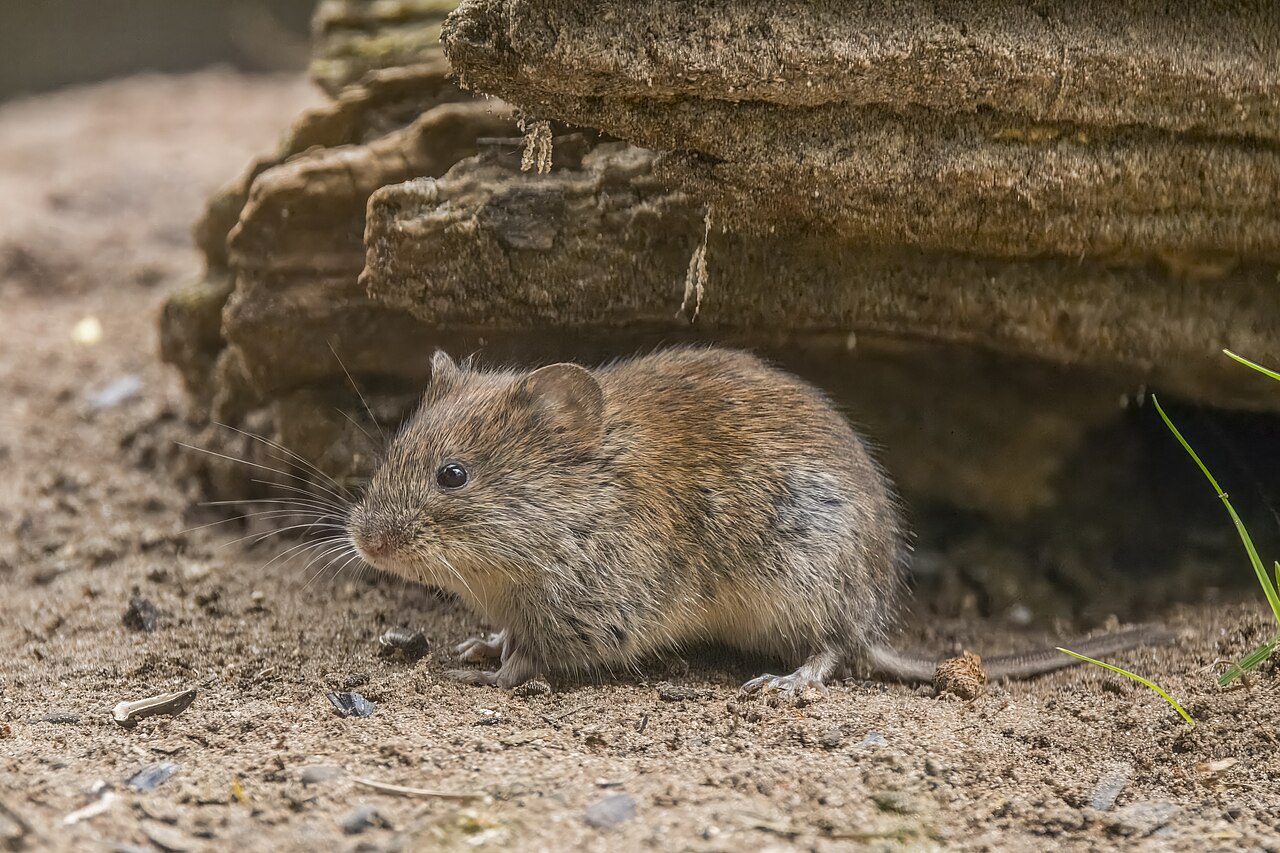
Licensed referenceCharles J. Sharp / CC BY-SA 4.0 · cc-by-sa
—observations
—countries
—peak records
Least ConcernConservation statusIUCN Red List categoriesLCNTVUENCREWEXLeast ConcernRed List categories, explained →
Diet & prey
- Tree Seeds
- Fungi
- Small Invertebrates
Predators
- Tawny Owl
- Red Fox
- Stoat
ThreatsHabitat fragmentation, agricultural intensification, and predation by feral domestic cats
HabitatsDeciduous and mixed woodlands, hedgerows, scrubland, and overgrown gardens
Life span1–2 years in the wild
Classification
- FamilyCricetidae
- SpeciesMyodes glareolus
Range data is not available yet.
Interaction riskModerate
- Low
- Moderate
- High
- Very high
- Why interaction risk is moderate
- Can carry hantaviruses or parasites and may bite if cornered; observe without touching.
- Why it is dangerous
- Carries Puumala hantavirus in parts of Europe, which can cause nephropathia epidemica in humans via dust contaminated with droppings.
- How to recognize a risky encounter
- Recognized by reddish-brown fur, greyish undersides, and a hairy tail half its body length.
- What to do
- Avoid disturbing rodent nests or dry droppings in sheds without protective face coverings.
Responsible observation
- Spotting: Look for swift movements among leaf litter and fallen logs in broadleaf woods.
- Listening: Listen for high-pitched squeaks and soft rustling in brush during dusk hours.
- Safety: Avoid capturing wild voles to prevent stress, defensive bites, and disease exposure.
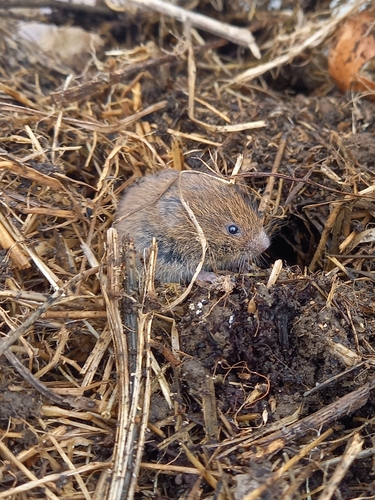
Competitor (c) sugarsnap_t, some rights reserved (CC BY), uploaded by sugarsnap_t · cc-by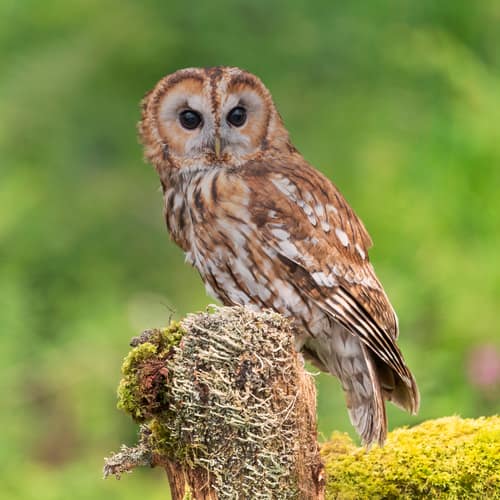
Predator (c) caroline legg, some rights reserved (CC BY) · cc-by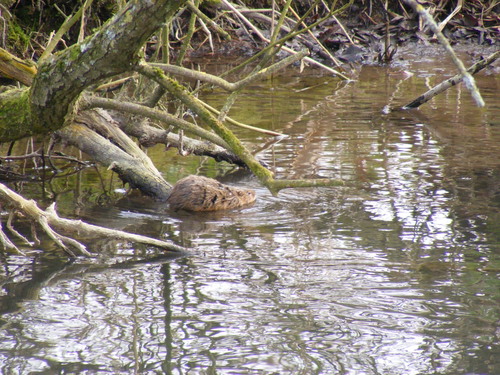
Close Relative (c) John Proctor, some rights reserved (CC BY) · cc-by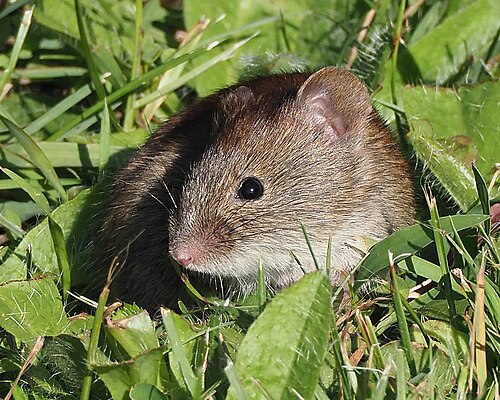
Close Relative Gordon Johnston / CC BY-SA 4.0 · cc-by-sa
Help improve the field guideSomething wrong?
Checking your Fauna account…Report a name, category, or profile issue for review.