
Plant
Climbing False Buckwheat
Fallopia scandensAlso known as False Buckwheat, Climbing Buckwheat
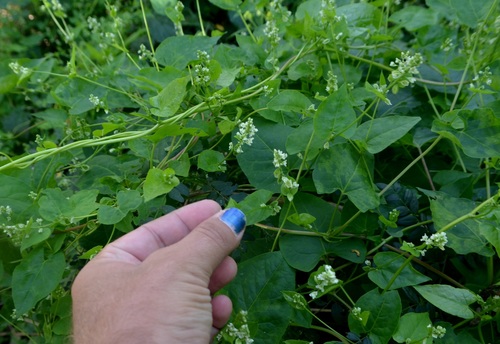
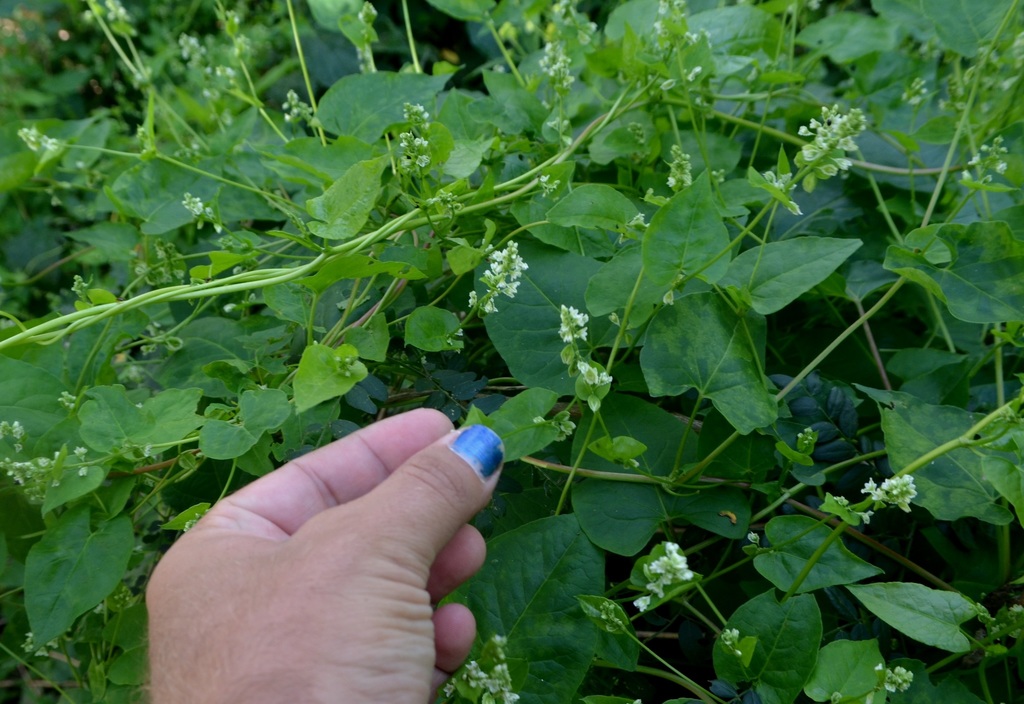
Climbing false buckwheat uses twining stems to scramble over shrubs, fences, and low tree limbs along sunny edge habitats throughout eastern and central North America. As its greenish-white flower clusters mature into fruit, the outer floral parts expand into distinctive papery wings that dangle downward from slender stalks. These winged achenes catch the wind and float across water, providing valuable seeds for songbirds, game birds, and small mammals during the autumn transition.
ClimbingNative VineWildflower
—observations
—countries
—peak records
Least ConcernConservation statusIUCN Red List categoriesLCNTVUENCREWEXLeast ConcernRed List categories, explained →
Diet & preyPhotoautotrophic
Predators
- Japanese Beetle
- White-tailed Deer
- Northern Bobwhite
ThreatsHerbicide spraying, aggressive invasive vines, and excessive roadside mowing
HabitatsForest edges, thickets, streambanks, fence rows, and disturbed fields
Life spanPerennial (typically 3–10 years)
Classification
- OrderCaryophyllales
- FamilyPolygonaceae
- GenusFallopia
- SpeciesFallopia scandens
Range data is not available yet.
Interaction riskLow
- Low
- Moderate
- High
- Very high
- Why interaction risk is low
- Safe to observe at a normal distance.
Responsible observation
- Distinguishing Feature: Check the dangling fruits for broad, wavy papery wings along their edges.
- Habitat Clues: Search along sunny fencerows, hedgerows, and riverbanks from late summer into frost.
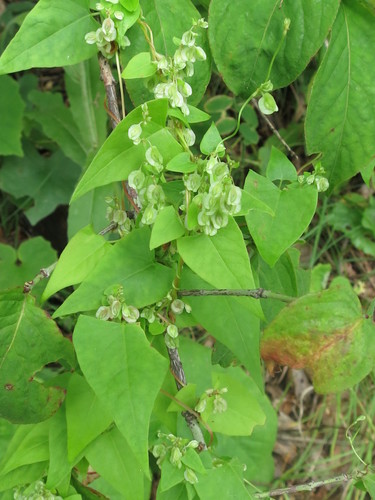
European Look-alike (c) Repina Tatyana, some rights reserved (CC BY), uploaded by Repina Tatyana · cc-by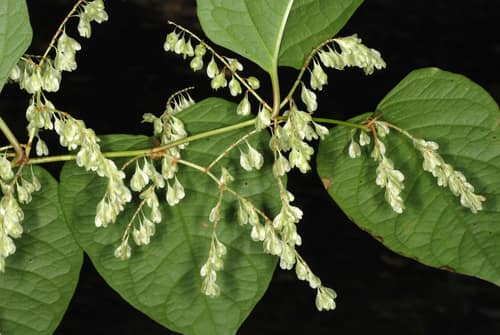
Botanical Cousin (c) Douglas Goldman, some rights reserved (CC BY-SA), uploaded by Douglas Goldman · cc-by-sa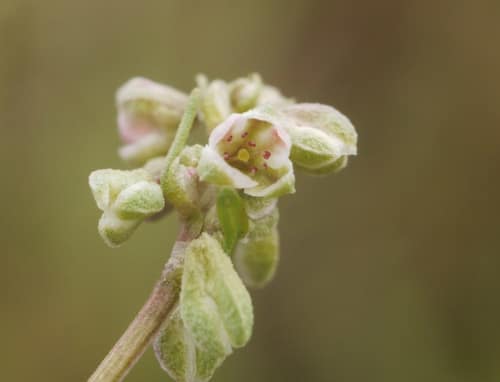
Close Relative (c) Roman, some rights reserved (CC BY), uploaded by Roman · cc-by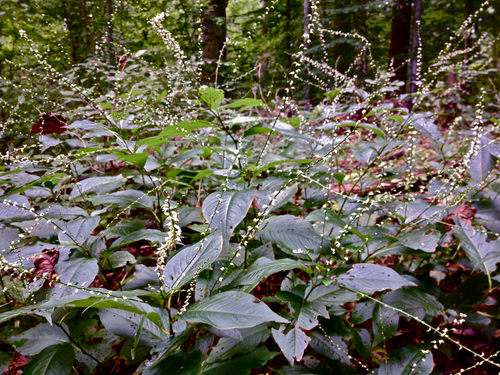
Family Relative (c) Fritzflohrreynolds, some rights reserved (CC BY-SA) · cc-by-sa
Help improve the field guideSomething wrong?
Checking your Fauna account…Report a name, category, or profile issue for review.