
Fungus
White Chanterelle
Cantharellus subalbidusWhite chanterelles emerge from the damp forest floor of the Pacific Northwest, forming thick, fleshy fruiting bodies with a characteristic pale ivory to creamy white coloration. They establish vital ectomycorrhizal associations with mature conifers, trading water and soil minerals for photosynthesized sugars. Unlike gilled mushrooms, their underside features blunt, shallow, vein-like ridges that run continuously down the stout stalk.
MycorrhizalForest DwellerFungus
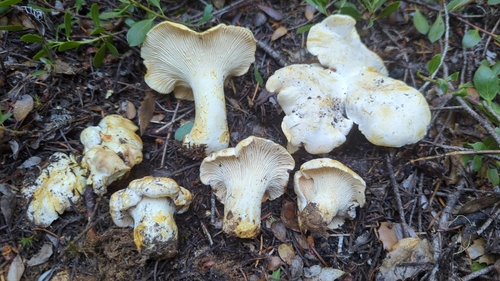
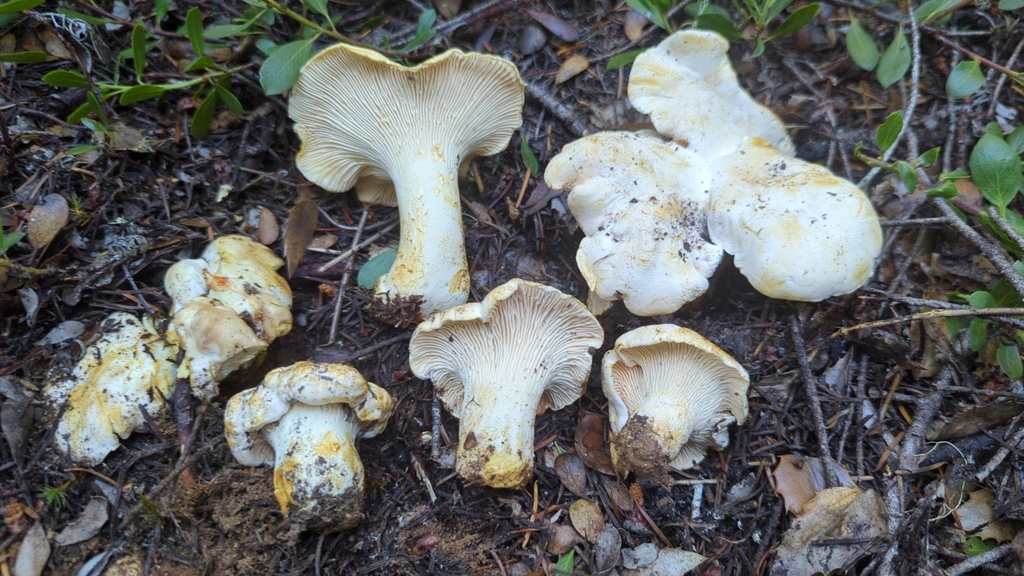
—observations
—countries
—peak records
Least ConcernConservation statusIUCN Red List categoriesLCNTVUENCREWEXLeast ConcernRed List categories, explained →
Diet & preyMycorrhizal partner (absorbs carbohydrates from host trees)
Predators
- Pacific banana slug
- Fungus gnat larvae
- Douglas squirrel
ThreatsDeforestation, clear-cutting, and severe forest fire
HabitatsOld-growth and mature coniferous temperate rainforests
Life spanPerennial underground mycelium; individual fruiting bodies persist 2–4 weeks
Classification
- FamilyHydnaceae
- SpeciesCantharellus subalbidus
Range data is not available yet.
Interaction riskLow
- Low
- Moderate
- High
- Very high
- Why interaction risk is low
- Many wild mushrooms have toxic look-alikes; never eat wild fungi based on app identification alone.
Responsible observation
- Look beneath moss: Fruiting bodies often push up silently through thick moss and duff layers under mature Douglas-fir.
- Examine the ridges: Check the underside for blunt, decurrent, cross-veined ridges rather than paper-thin true gills.
- Leave the forest duff undisturbed: Avoid tearing up surrounding soil or moss carpets so mycelial mats remain intact.
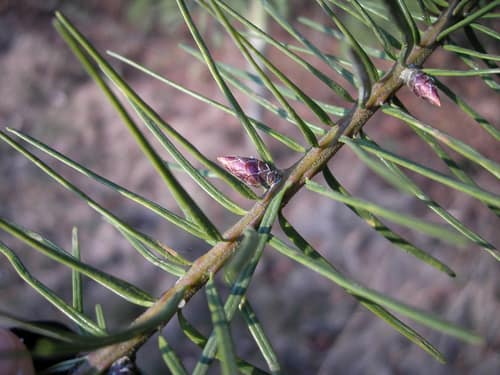
Symbiont (c) Danny Steaven, some rights reserved (CC BY-SA) · cc-by-sa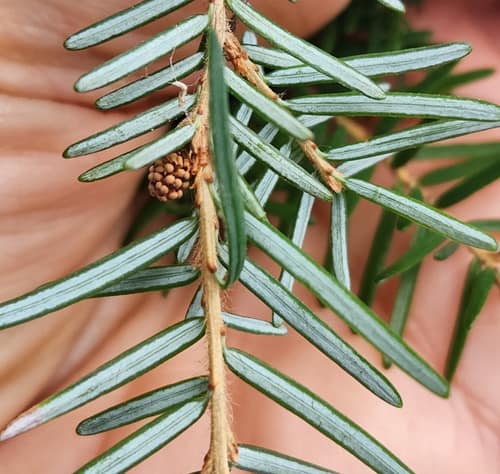
Symbiont (c) Lyrae, some rights reserved (CC BY), uploaded by Lyrae · cc-by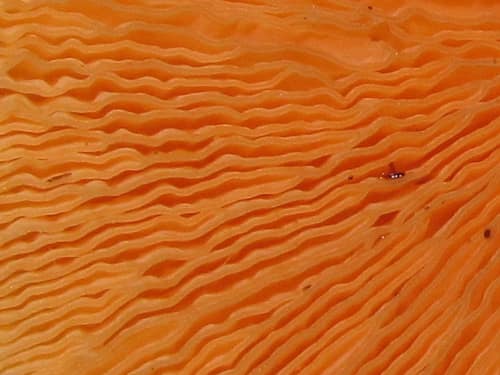
Look-alike (c) Tim Sage, some rights reserved (CC BY-SA), uploaded by Tim Sage · cc-by-sa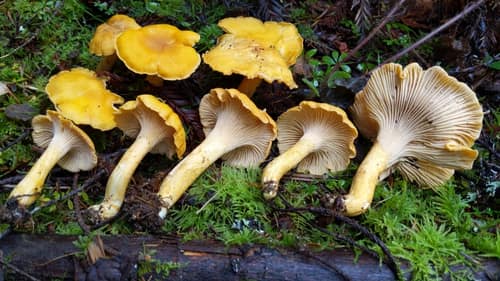
Close Relative (c) Alan Rockefeller, some rights reserved (CC BY), uploaded by Alan Rockefeller · cc-by
Help improve the field guideSomething wrong?
Checking your Fauna account…Report a name, category, or profile issue for review.