
Fungus
California Agaricus
Agaricus californicusAlso known as Mock Meadow Mushroom, California Agaric
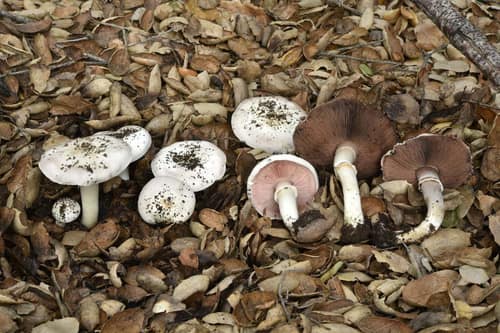
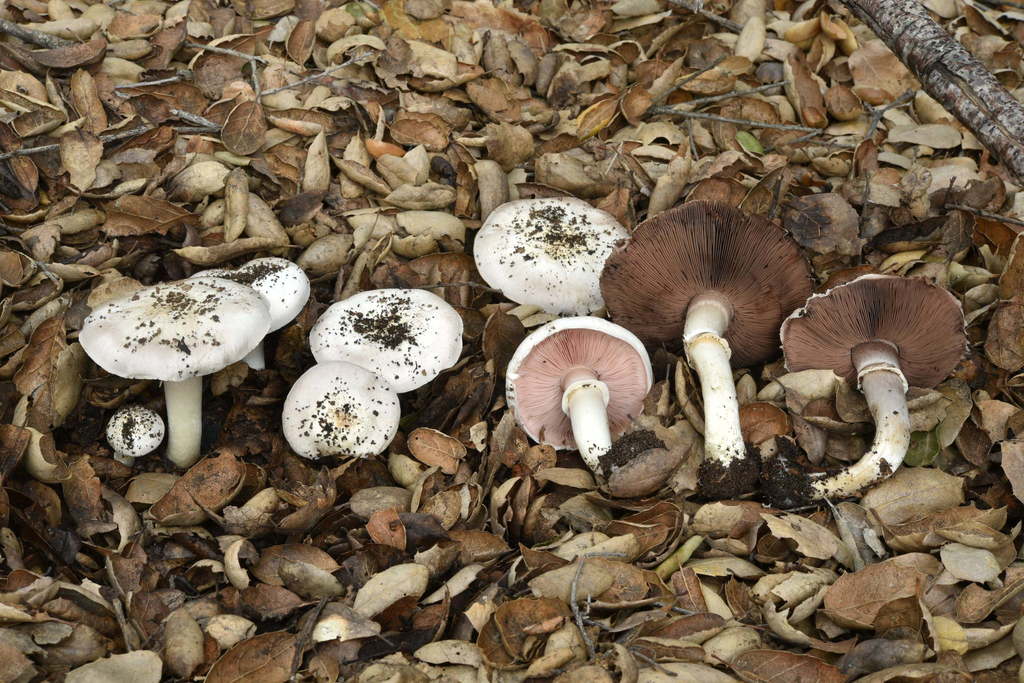
California agaricus fruits abundantly in grassy parklands, suburban lawns, and oak leaf litter following cool autumn and winter rains. Belonging to section Xanthodermati, this fungus features a smooth to slightly scaly white cap that often discolors brownish with age, paired with pale pink gills that mature to dark chocolate brown. Crucial identification marks include a faintly yellowing stem base and a distinct phenolic or chemical aroma when crushed.
FungusToxicUrban
—observations
—countries
—peak records
Not EvaluatedConservation statusIUCN Red List categoriesLCNTVUENCREWEXNot Evaluated — not placed on the risk ladderRed List categories, explained →
Diet & preySaprotrophic (decomposer of organic soil matter and plant litter)
Predators
- Fungus gnat larvae
- Slugs
- Rodents
ThreatsLawn maintenance, chemical treatments, habitat destruction
HabitatsGrassy fields, landscaped lawns, urban parks, oak woodlands
Life spanIndividual mushrooms persist 3–7 days; underlying mycelium lives indefinitely
Classification
- OrderAgaricales
- FamilyAgaricaceae
- GenusAgaricus
- SpeciesAgaricus californicus
Range data is not available yet.
Interaction riskHigh
- Low
- Moderate
- High
- Very high
- Why interaction risk is high
- Ingestion causes severe stomach upset; many edible mushrooms have toxic look-alikes, so never eat wild fungi based on app identification alone.
- Why it is dangerous
- Contains toxic phenolic compounds that cause acute gastrointestinal illness, including severe cramps, nausea, vomiting, and diarrhea.
- How to recognize a risky encounter
- Look for a whitish cap with a brownish center, pale pink gills turning dark brown, and a yellowing stem base with a chemical smell.
- What to do
- Safe to inspect closely by hand, but wash hands afterward and never consume wild mushrooms.
Responsible observation
- Check stem base: Scratch the bottom of the stem to check for faint yellowing and chemical odor.
- Observe gill color: Track the transition from pale pink to dark brown as spores mature.
- Examine habitat: Note whether it grows in landscaped lawns, leaf litter, or open fields.
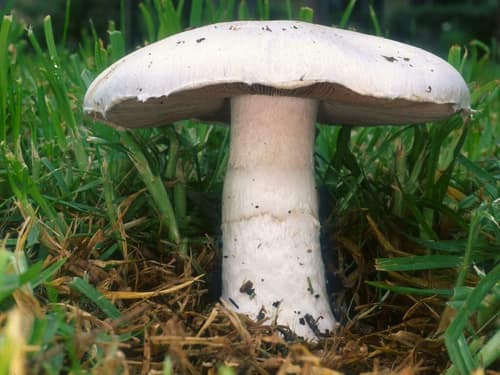
Look-alike (c) anonymous, some rights reserved (CC BY-SA) · cc-by-sa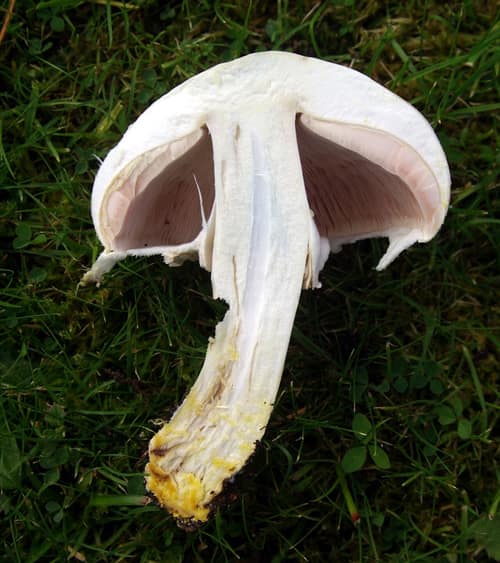
Close Relative Velella / CC BY-SA 3.0 · cc-by-sa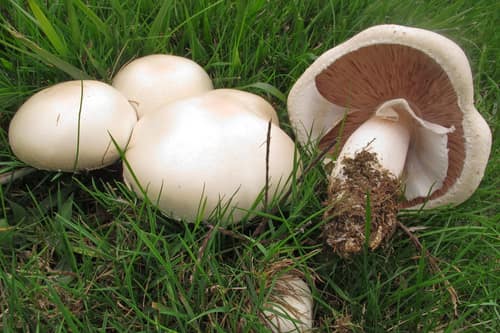
Close Relative (c) anonymous, some rights reserved (CC BY-SA) · cc-by-sa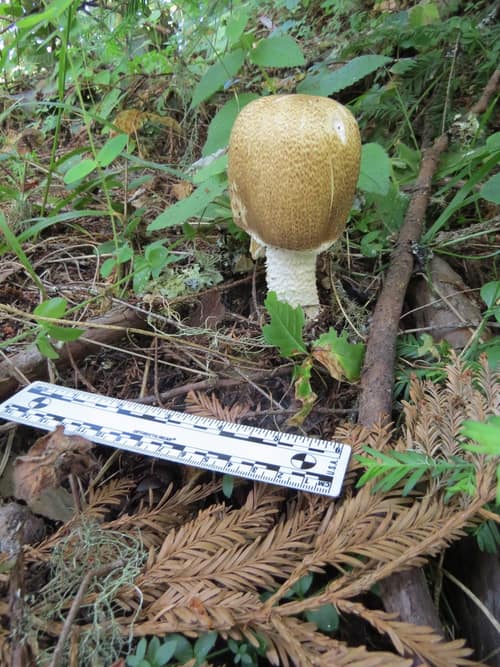
Close Relative (c) Garth Harwood, some rights reserved (CC BY) · cc-by
Help improve the field guideSomething wrong?
Checking your Fauna account…Report a name, category, or profile issue for review.