
Fungus · GBIF taxon 5452596
Chilean Yellow Amanita
Amanita merxmuelleriAlso known as Rau-Rau, Piojento
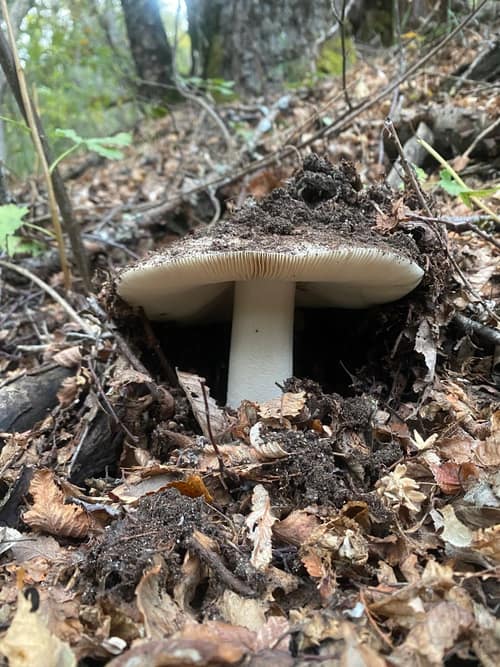
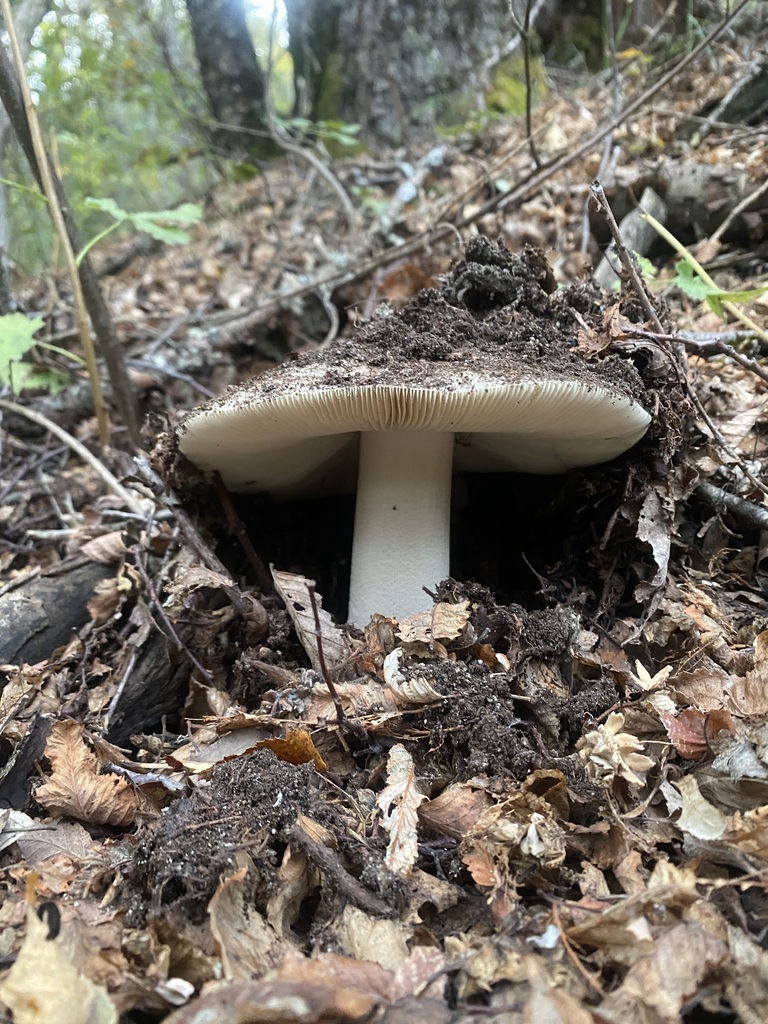
Chilean Yellow Amanita emerges on the damp forest floors of southern South America, forming vital mycorrhizal bonds with native southern beech trees. Its vibrant yellow cap and delicate structural features make it a striking component of the Valdivian rainforest ecosystem during late summer and autumn rains. Fungal mycelium spreads underground for decades, periodically sprouting these short-lived reproductive fruiting bodies.
FungusMycorrhizalForest Dweller
—observations
—countries
—peak records
Least ConcernConservation statusIUCN Red List categoriesLCNTVUENCREWEXLeast ConcernRed List categories, explained →
Diet & prey
- Mycorrhizal
Predators
- Fungus Gnats
- Slugs
- Forest Rodents
ThreatsDeforestation and habitat fragmentation
HabitatsTemperate Nothofagus rainforests
Life spanPerennial mycelium, fruiting bodies last 1–2 weeks
Size / weightNot available
Classification
- FamilyAmanitaceae
- SpeciesAmanita merxmuelleri
Range data is not available yet.
Interaction riskHigh
- Low
- Moderate
- High
- Very high
- Why interaction risk is high
- Many wild mushrooms have toxic look-alikes; never eat wild fungi based on app identification alone.
- Why it is dangerous
- Contains fungal toxins typical of the genus Amanita that can cause severe gastrointestinal distress and potential organ failure.
- How to recognize a risky encounter
- Look for a bright yellow cap with striated margins and a distinct volval structure surrounding the base of the stem.
- What to do
- Observe and photograph without picking or consuming wild mushrooms.
Responsible observation
- Observation Only: Photograph the mushroom in place from multiple angles showing cap and stem base.
- Habitat Search: Search near the root zones of native southern beech trees during damp autumn months.
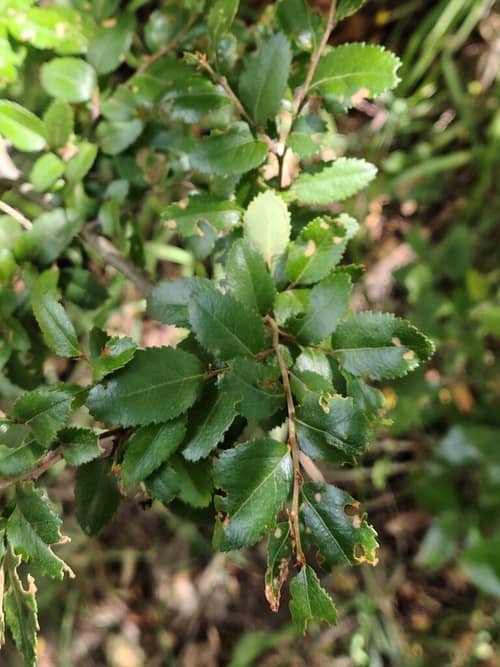
Host Tree (c) Felipe Horton, some rights reserved (CC BY) · cc-by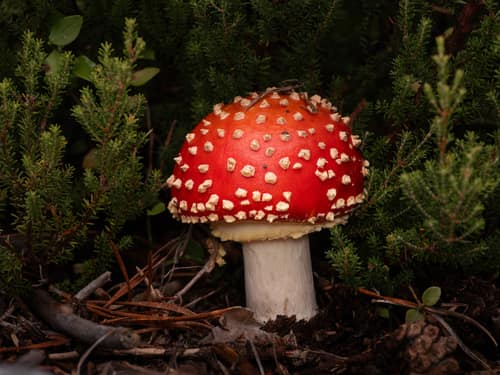
Close Relative (c) Borja Fierro, some rights reserved (CC BY), uploaded by Borja Fierro · cc-by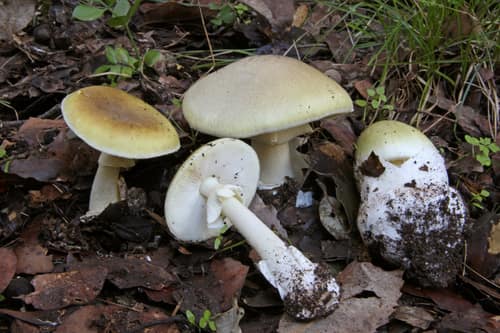
Toxic Relative (c) Davide Puddu, some rights reserved (CC BY), uploaded by Davide Puddu · cc-by
Help improve the field guideSomething wrong?
Checking your Fauna account…Report a name, category, or profile issue for review.