
Fungus · GBIF taxon 5452456
Poison Champagne Amanita
Amanita crenulataAlso known as Champagne Amanita, Crenulate Amanita
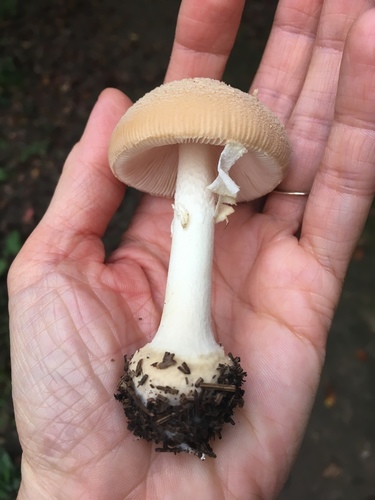
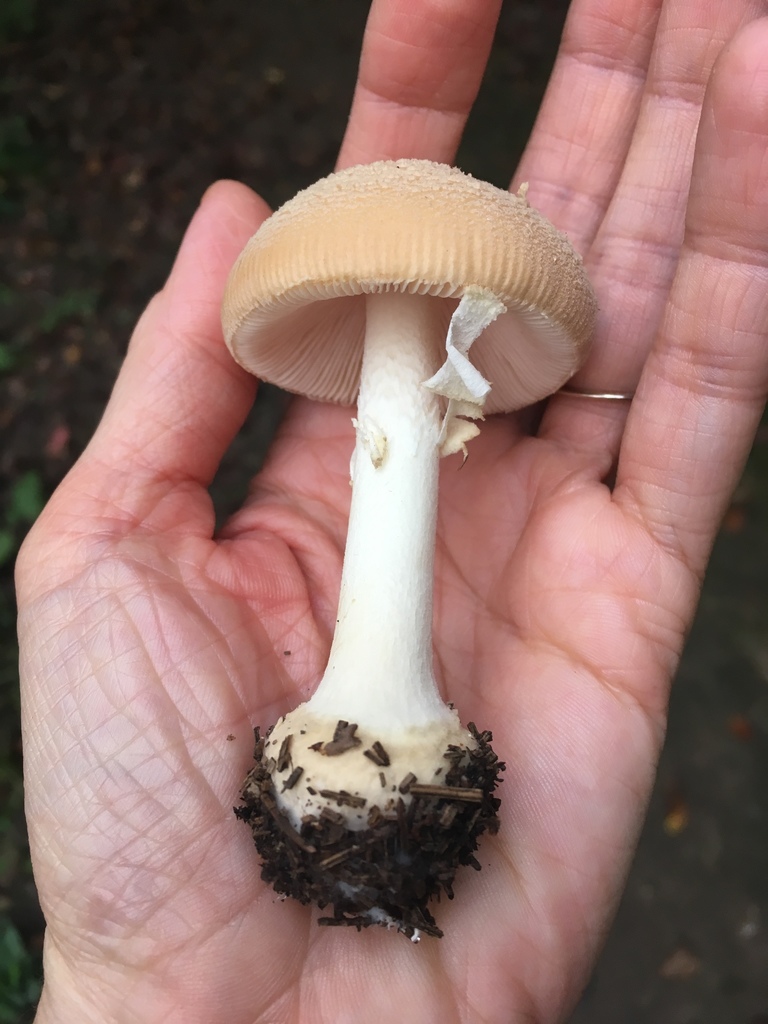
Poison Champagne Amanitas emerge in oak and pine forests across eastern North America during summer and autumn. They form symbiotic mycorrhizal relationships with host tree roots, trading soil nutrients for carbohydrates. The pale champagne-tinted cap is adorned with powdery tan warts and features distinctly grooved margins.
FungusMycorrhizalToxic
—observations
—countries
—peak records
Not EvaluatedConservation statusIUCN Red List categoriesLCNTVUENCREWEXNot Evaluated — not placed on the risk ladderRed List categories, explained →
Diet & prey
- Mycorrhizal (symbiotic with trees)
Predators
- Fungus gnats
- Slugs
- Squirrels
ThreatsForest clearing and soil pollution
HabitatsDeciduous and mixed forests
Life spanMycelium lives for years; fruiting body lasts 3–7 days
Size / weightNot available
Classification
- OrderAgaricales
- FamilyAmanitaceae
- GenusAmanita
- SpeciesAmanita crenulata
Range data is not available yet.
Interaction riskHigh
- Low
- Moderate
- High
- Very high
- Why interaction risk is high
- Toxic if ingested; many wild mushrooms have dangerous look-alikes, so never eat fungi based on app identification.
- Why it is dangerous
- Contains ibotenic acid and muscimol, which cause severe gastrointestinal distress, confusion, and muscle spasms when ingested.
- How to recognize a risky encounter
- Look for a pale champagne-yellow cap with powdery greyish-tan warts, striated cap margins, and a swollen basal bulb.
- What to do
- Observe and photograph in place without consumption; wash hands after touching to prevent accidental ingestion.
Responsible observation
- Visual Clues: Look for the finely grooved cap margin and powdery remnants on the basal bulb.
- Safe Handling: Wash hands thoroughly after touching to prevent accidental oral ingestion of toxic spores or tissue.
- Habitat Protection: Leave the surrounding leaf litter intact to protect the underground mycelial network.
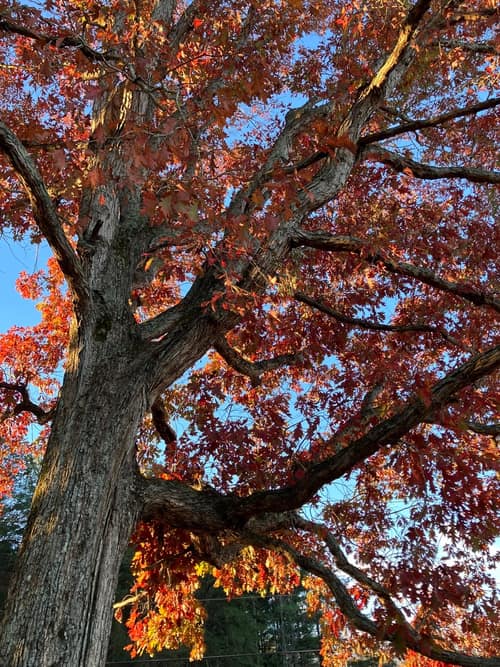
Host Plant (c) Alicia Ballard, some rights reserved (CC BY) · cc-by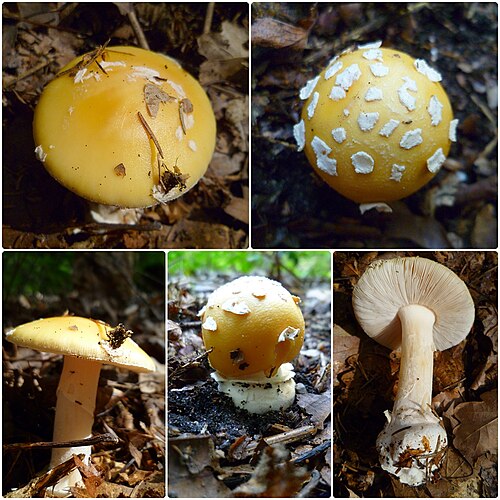
Close Relative Hans-Martin Scheibner / CC BY 3.0 · cc-by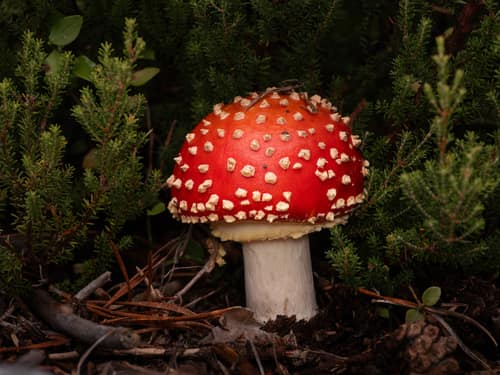
Close Relative (c) Borja Fierro, some rights reserved (CC BY), uploaded by Borja Fierro · cc-by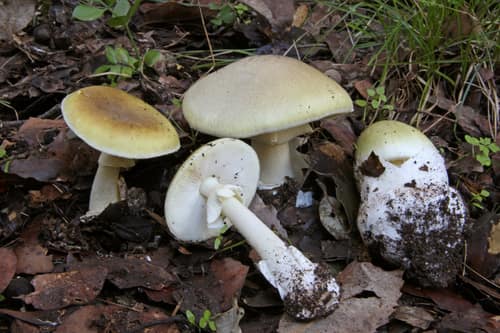
Deadly Relative (c) Davide Puddu, some rights reserved (CC BY), uploaded by Davide Puddu · cc-by
Keep collecting in Fauna
Found in Collections
Species set Pro
Fungi Forager
Poison Champagne Amanita is found in this collection. Identify it in Fauna to fill this slot and continue your progress.
Unlock to track progress
Help improve the field guideSomething wrong?
Checking your Fauna account…Report a name, category, or profile issue for review.