
Fungus · GBIF taxon 5452326
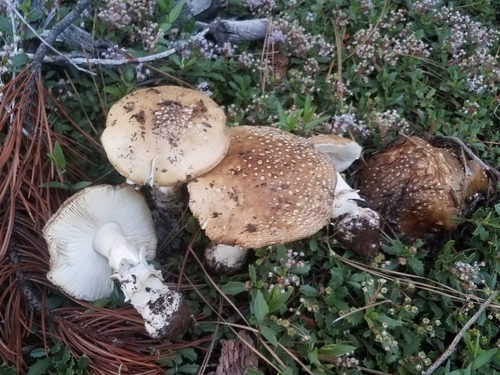
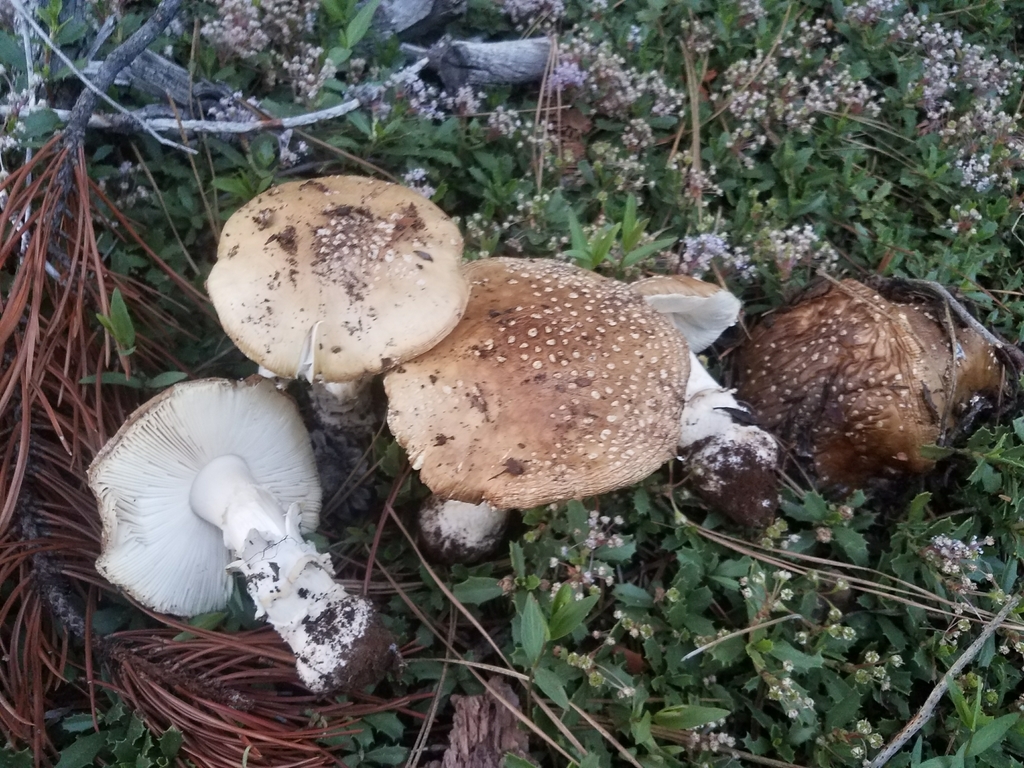
Western Panther
Amanita pantherinoidesAlso known as Western American False Panther, Pacific Panther Amanita
Western panthers emerge along Pacific Northwest forest floors in autumn, forming vital mycorrhizal partnerships with conifers and hardwoods such as Douglas fir and Garry oak. The caps display a distinctive pale yellowish-buff to ochre-tan surface sprinkled with cottony white volval patches and lined with faint marginal striations. Below the cap, pure white free gills release pale spores into the damp understory air before winter rains fully set in.
ToxicForest FloorMycorrhizal
 1 / 7
1 / 7—observations
—countries
—peak records
Not EvaluatedConservation statusIUCN Red List categoriesLCNTVUENCREWEXNot Evaluated — not placed on the risk ladderRed List categories, explained →
Diet & prey
- Mycorrhizal partner (absorbs nutrients through symbiotic tree root networks)
Predators
- Fungus gnats
- Banana slugs
- Springtails
ThreatsHabitat destruction and soil compaction from logging or heavy development
HabitatsConiferous and mixed forests along the Pacific Coast
Life spanEphemeral fruiting body (lasting 5–12 days); underground mycelium lives for decades
Size / weightNot available
Classification
- OrderAgaricales
- FamilyAmanitaceae
- GenusAmanita
- SpeciesAmanita pantherinoides
Range data is not available yet.
Interaction riskHigh
- Low
- Moderate
- High
- Very high
- Why interaction risk is high
- Contains potent neurotoxins. Many edible mushrooms have toxic look-alikes; never eat wild fungi based on app identification alone.
- Why it is dangerous
- Contains ibotenic acid and muscimol, which act on central nervous system receptors causing confusion, muscle spasms, dizziness, and delirium.
- How to recognize a risky encounter
- Look for a tan-yellowish cap adorned with white warts, free gills, and a distinct ring on the stem above a collar-like volval cup.
- What to do
- Never consume any part of this fungus, and supervise curious pets and children around fruiting bodies.
Responsible observation
- Visual Observation: Admire cap scales and stem details without disturbance.
- Spore Prints: Collect a mature cap on dark paper to reveal white spores.
- Foraging Safety: Wash hands after handling and keep away from foraging baskets.
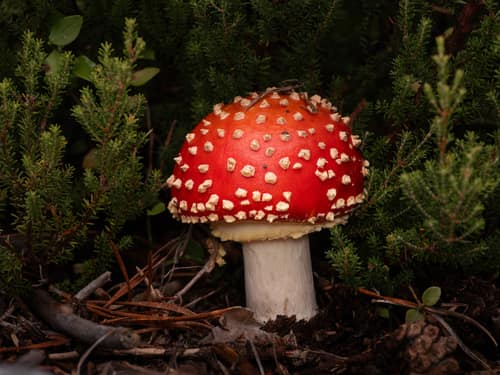
Same Genus (c) Borja Fierro, some rights reserved (CC BY), uploaded by Borja Fierro · cc-by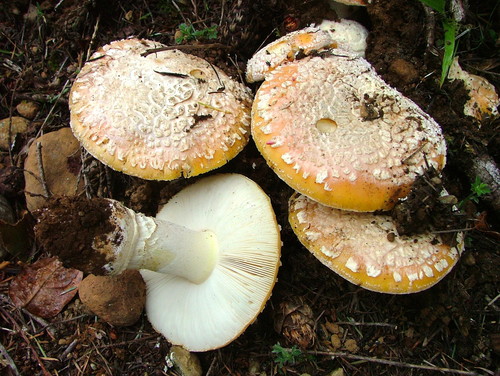
Same Genus (c) anonymous, some rights reserved (CC BY-SA) · cc-by-sa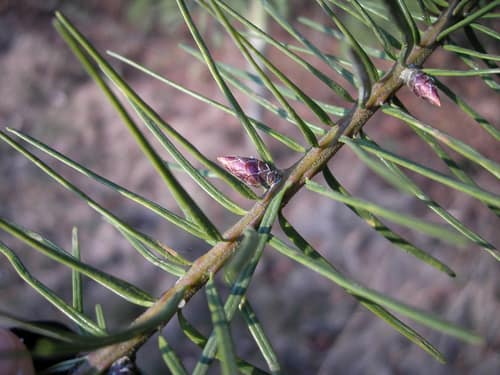
Symbiont (c) Danny Steaven, some rights reserved (CC BY-SA) · cc-by-sa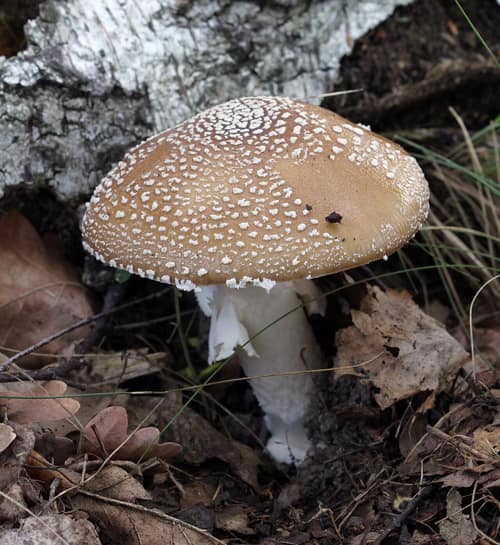
Close Relative George Chernilevsky / Public domain · cc0
Keep collecting in Fauna
Found in Collections
Species set Pro
Fungi Forager
Western Panther is found in this collection. Identify it in Fauna to fill this slot and continue your progress.
Unlock to track progress
Help improve the field guideSomething wrong?
Checking your Fauna account…Report a name, category, or profile issue for review.