
Fungus
Sunshine Amanita
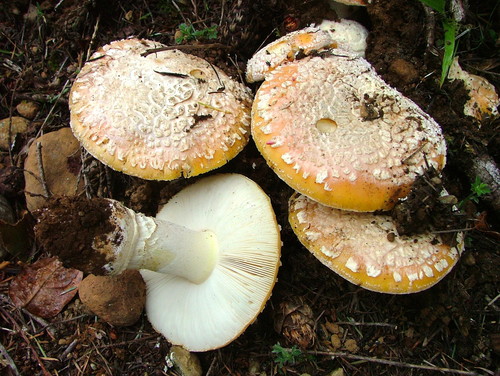
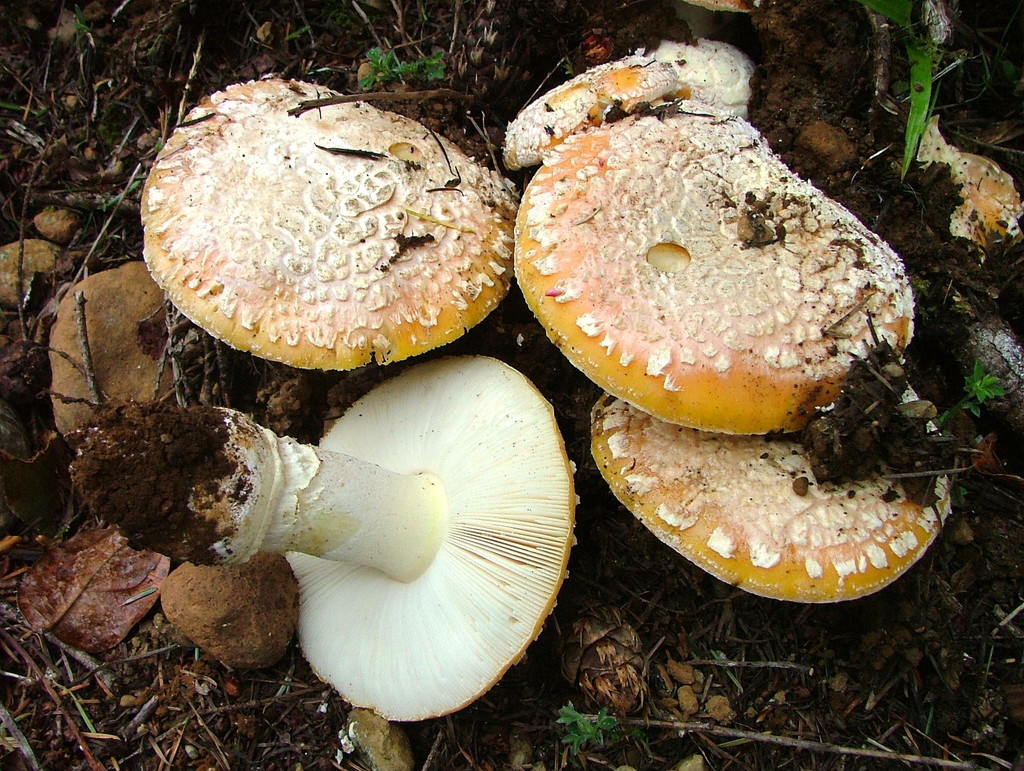
Amanita apricaSunshine amanitas emerge in montane conifer forests of western North America, frequently fruiting in spring and early summer near receding snowbanks. Their brilliant yellow to orange-yellow caps are typically adorned with creamy white, felted patches of universal veil remnants that wash away after heavy rain. As ectomycorrhizal fungi, their underground mycelial networks form mutually beneficial partnerships with the root systems of Douglas-fir, true firs, and pines.
ToxicMycorrhizalMontane
—observations
—countries
—peak records
Not EvaluatedConservation statusIUCN Red List categoriesLCNTVUENCREWEXNot Evaluated — not placed on the risk ladderRed List categories, explained →
Diet & preyEctomycorrhizal (absorbs nutrients through symbiotic tree root networks)
Predators
- Slugs
- Fungus gnats
- Rodents
ThreatsHabitat disruption, severe wildfire, and logging of mature host conifers
HabitatsMontane coniferous forests, mixed woodlands, and subalpine snow zones
Life spanDays to weeks as a fruiting body; mycelium lives indefinitely
Classification
- OrderAgaricales
- FamilyAmanitaceae
- GenusAmanita
- SpeciesAmanita aprica
Range data is not available yet.
Interaction riskHigh
- Low
- Moderate
- High
- Very high
- Why interaction risk is high
- Toxic if ingested; many edible mushrooms have toxic look-alikes, so never eat wild fungi based on app identification alone.
- Why it is dangerous
- Contains ibotenic acid and muscimol, neurotoxins that induce severe gastrointestinal distress, ataxia, muscle spasms, confusion, and delirium.
- How to recognize a risky encounter
- Look for a bright yellow to orange-yellow cap dotted with white volval patches, pale yellowish gills, and a bulbous stem base.
- What to do
- Never consume any part of this fungus, and ensure curious children and pets do not bite or chew the fruiting bodies.
Responsible observation
- Observation Only: Admire the vibrant cap in place without disturbing the root network.
- Spring Searching: Look along melting snowlines in high-elevation conifer woods from May to July.
- Field Hygiene: Wash hands thoroughly after handling any wild Amanita fruiting body.
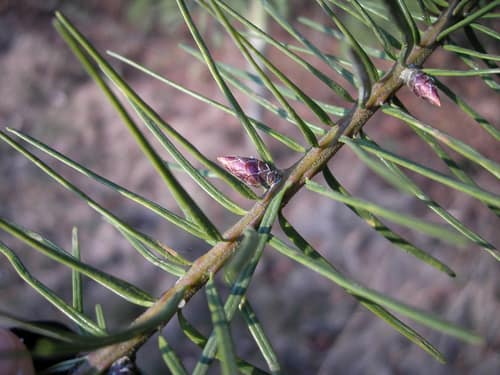
Host Plant (c) Danny Steaven, some rights reserved (CC BY-SA) · cc-by-sa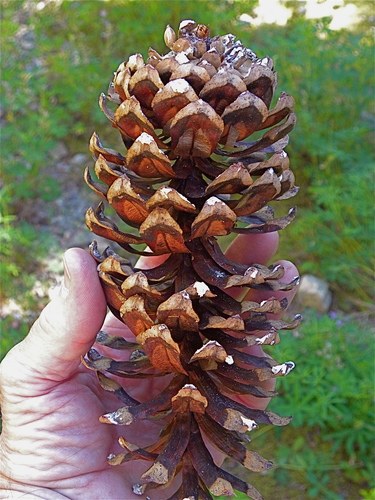
Host Plant (c) Peter Stevens, some rights reserved (CC BY) · cc-by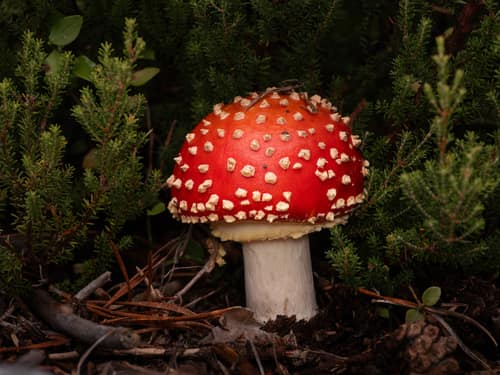
Close Relative (c) Borja Fierro, some rights reserved (CC BY), uploaded by Borja Fierro · cc-by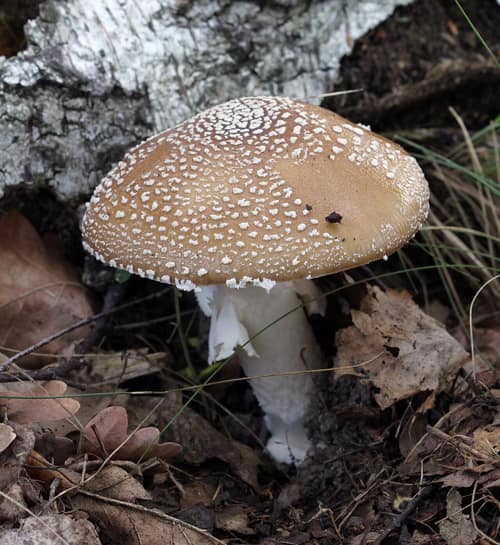
Close Relative George Chernilevsky / Public domain · cc0
Keep collecting in Fauna
Found in Collections
Species set Pro
Fungi Forager
Sunshine Amanita is found in this collection. Identify it in Fauna to fill this slot and continue your progress.
Unlock to track progress
Help improve the field guideSomething wrong?
Checking your Fauna account…Report a name, category, or profile issue for review.