
Fungus
Amanita chrysoblema
Amanita chrysoblemaAlso known as Yellow Fly Agaric, White Fly Agaric, American Yellow Fly Agaric
American fly agarics emerge in temperate forests, forming mycorrhizal partnerships with coniferous and deciduous trees. Their pale yellow to off-white caps are studded with prominent cottony veil fragments that can wash off during heavy rains. Packed with ibotenic acid and muscimol, these striking mushrooms act as vital nutrient exchangers within woodland ecosystems.
PoisonousForestMycorrhizal
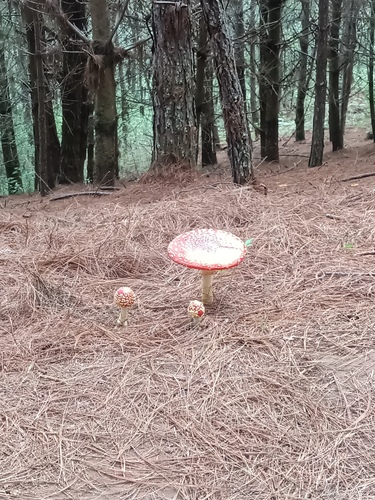
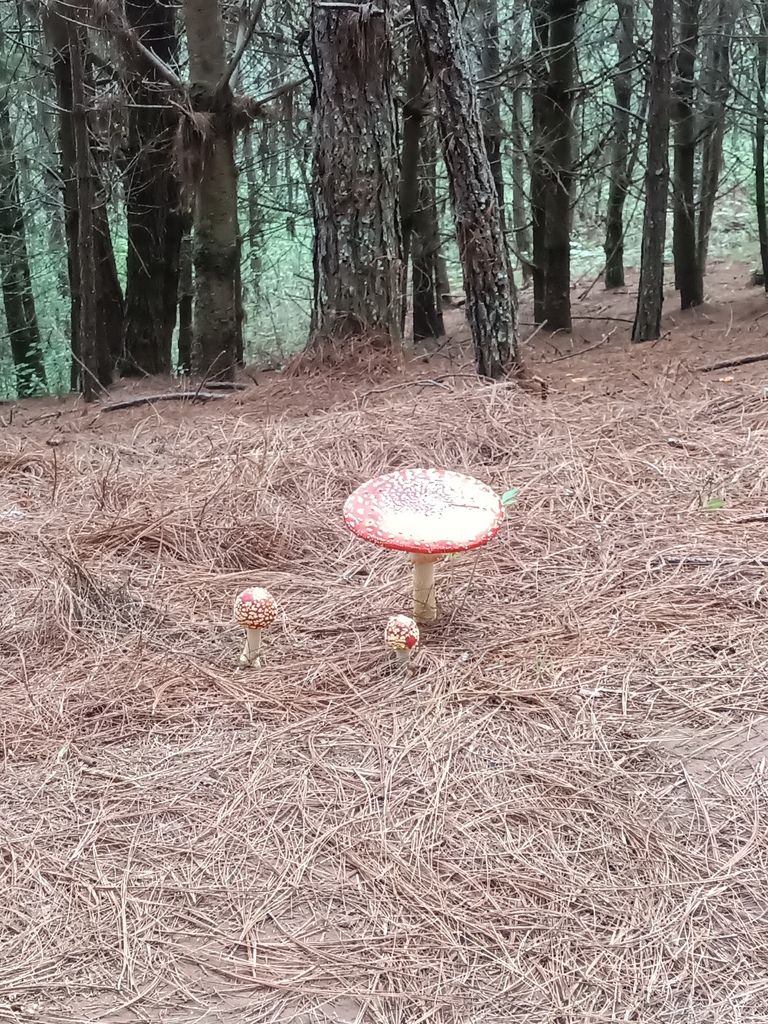
—observations
—countries
—peak records
Not EvaluatedConservation statusIUCN Red List categoriesLCNTVUENCREWEXNot Evaluated — not placed on the risk ladderRed List categories, explained →
Diet & preyMycorrhizal (symbiotic with tree roots)
Predators
- Fungus gnats
- Slugs
- Squirrels
ThreatsHabitat loss, soil compaction, pollution
HabitatsConiferous and mixed temperate woodlands
Life spanMushroom cap lasts 1–2 weeks; underground mycelium lives for decades
Classification
- OrderAgaricales
- FamilyAmanitaceae
- GenusAmanita
- SpeciesAmanita chrysoblema
Range data is not available yet.
Interaction riskHigh
- Low
- Moderate
- High
- Very high
- Why interaction risk is high
- Contains severe toxins; many edible mushrooms have toxic look-alikes, so never eat wild fungi based on app identification alone.
- Why it is dangerous
- Contains ibotenic acid and muscimol, which cause severe gastrointestinal distress, loss of coordination, and central nervous system disruption.
- How to recognize a risky encounter
- Look for a creamy white to pale yellow cap covered in raised warts, paired with a ringed stem rising from a cup-like base.
- What to do
- Admire specimens where they grow without picking or consuming them, and wash hands after touch.
Responsible observation
- Examine from above: Observe the wart pattern on the cap without disturbing the fragile surface.
- Check the stem base: Look near the ground for the characteristic ring and bulbous stalk base.
- Photograph key features: Document the cap underside and stem structure for accurate identification.
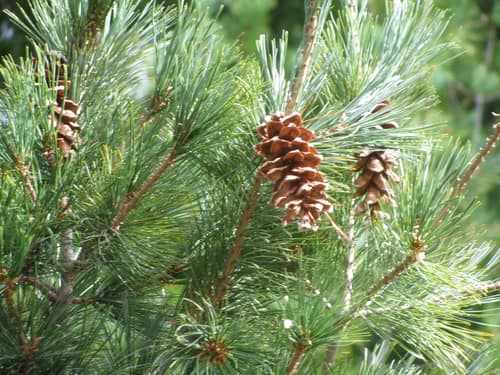
Host Plant (c) Forest and Kim Starr, some rights reserved (CC BY) · cc-by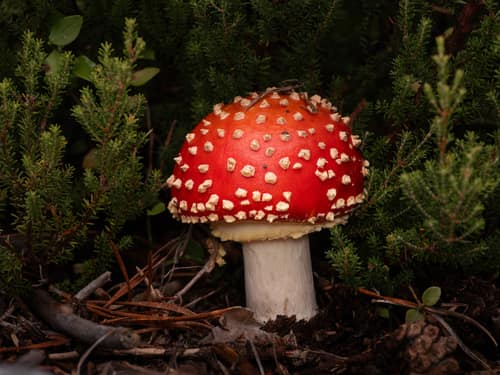
Close Relative (c) Borja Fierro, some rights reserved (CC BY), uploaded by Borja Fierro · cc-by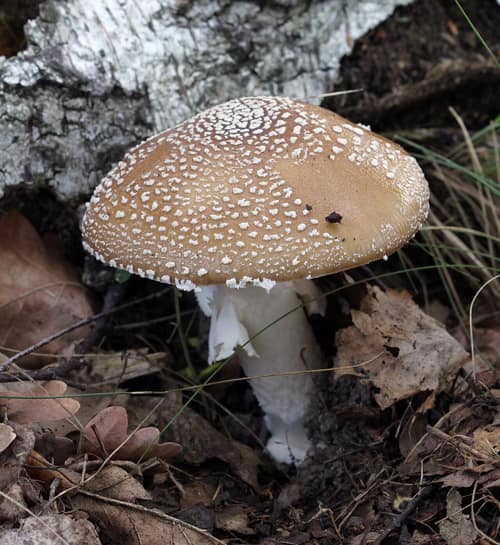
Toxic Relative George Chernilevsky / Public domain · cc0
Keep collecting in Fauna
Found in Collections
Species set Pro
Fungi Forager
Amanita chrysoblema is found in this collection. Identify it in Fauna to fill this slot and continue your progress.
Unlock to track progress
Help improve the field guideSomething wrong?
Checking your Fauna account…Report a name, category, or profile issue for review.