
Fungus · GBIF taxon 5451931
Thiers' Lepidella
Amanita thiersiiAlso known as White Shaggy Amanita
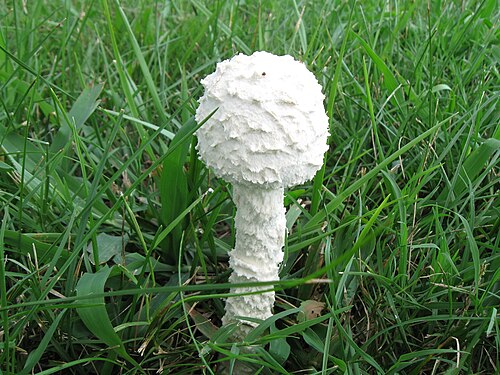
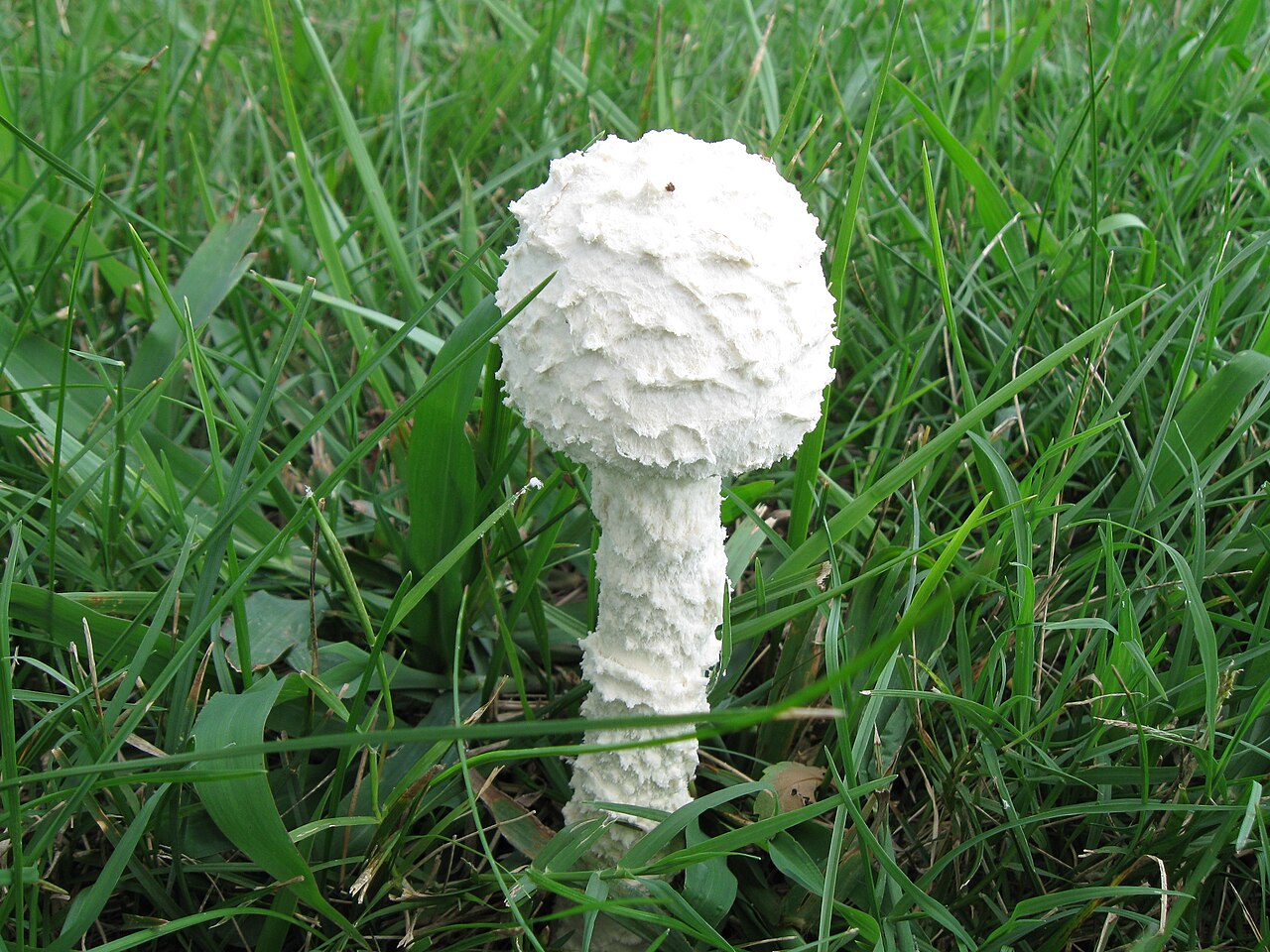
Thiers' lepidella stands out in open lawns and prairies with its ghostly white cap covered in soft, shaggy warts that easily rub off on your fingers. Unlike most Amanita species that form mutualistic partnerships with trees, this saprotrophic fungus feeds directly on decaying organic matter in grassy soil. It has steadily expanded its range northward across North America, thriving in sunny suburban lawns, pastures, and roadsides.
SaprophyteWhite MushroomLawn Fungi
—observations
—countries
—peak records
Not EvaluatedConservation statusIUCN Red List categoriesLCNTVUENCREWEXNot Evaluated — not placed on the risk ladderRed List categories, explained →
Diet & prey
- Saprotrophic (decomposes grass roots and soil organic matter)
Predators
- Slugs
- Fungus gnats
- Rodents
ThreatsHeavy lawn pesticide and fungicide application
HabitatsLawns, prairies, pastures, open grassy fields
Life spanFruiting body lasts 3–7 days; soil mycelium lives for years
Classification
- OrderAgaricales
- FamilyAmanitaceae
- GenusAmanita
- SpeciesAmanita thiersii
Range data is not available yet.
Interaction riskHigh
- Low
- Moderate
- High
- Very high
- Why interaction risk is high
- Suspected toxic if ingested. Many wild mushrooms have toxic look-alikes; never eat wild fungi based on app identification alone.
- Why it is dangerous
- Belongs to a fungal group containing known renal and gastrointestinal toxins, making ingestion dangerous.
- How to recognize a risky encounter
- Recognize its all-white color, cottony cap warts, and solitary growth in open lawns or prairies.
- What to do
- Touch is harmless for study, but wash hands afterward and never consume wild mushrooms.
Responsible observation
- Observe cap texture: Look for soft, powdery flakes that easily detach when touched.
- Check the habitat: Note whether it is growing in open lawn grass rather than near tree roots.
- Examine the stem: Look for the long, slender stipe covered in shaggy white veil fragments.
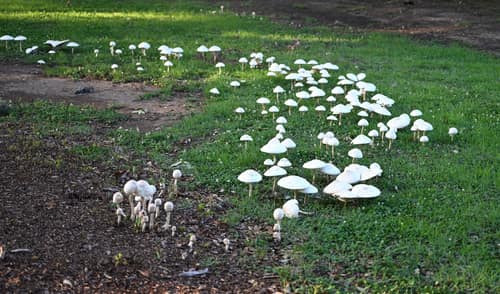
Competitor (c) Amber M. King, some rights reserved (CC BY), uploaded by Amber M. King · cc-by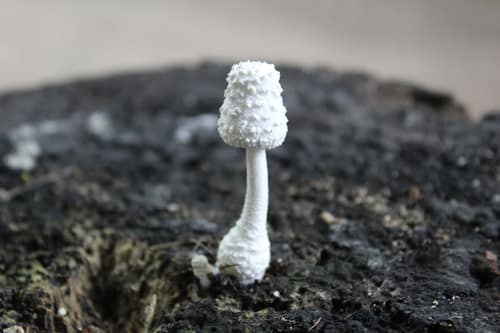
Look-alike (c) Ricard Busquets Reverte, some rights reserved (CC BY), uploaded by Ricard Busquets Reverte · cc-by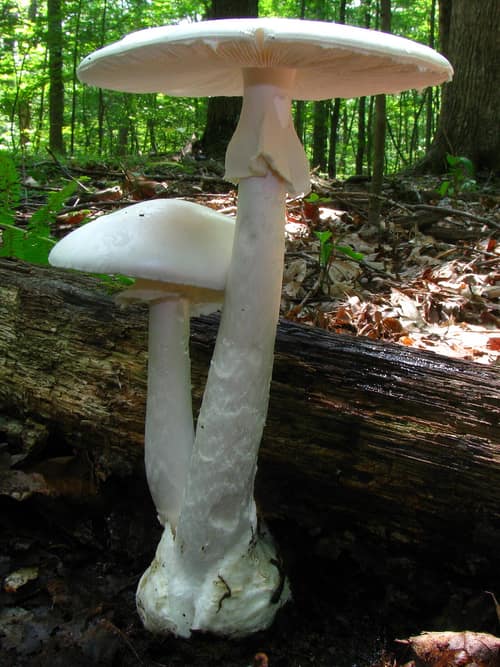
Close Relative Dan Molter (shroomydan) / CC BY-SA 3.0 · cc-by-sa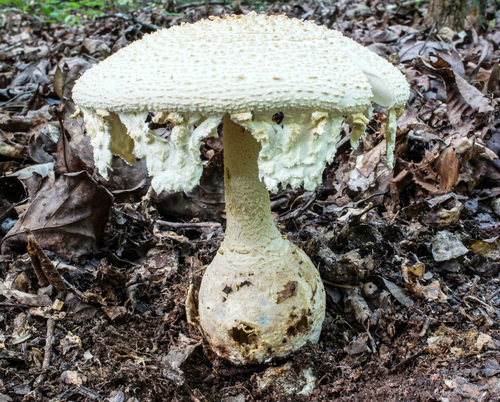
Close Relative (c) Bill Sheehan, some rights reserved (CC BY-SA), uploaded by Bill Sheehan · cc-by-sa
Keep collecting in Fauna
Found in Collections
Species set Pro
Fungi Forager
Thiers' Lepidella is found in this collection. Identify it in Fauna to fill this slot and continue your progress.
Unlock to track progress
Help improve the field guideSomething wrong?
Checking your Fauna account…Report a name, category, or profile issue for review.