
Fungus
Caesar's Mushroom
Amanita basiiAlso known as Mexican Caesar's Mushroom, Broad-Spored Caesar's Mushroom, Hongo César
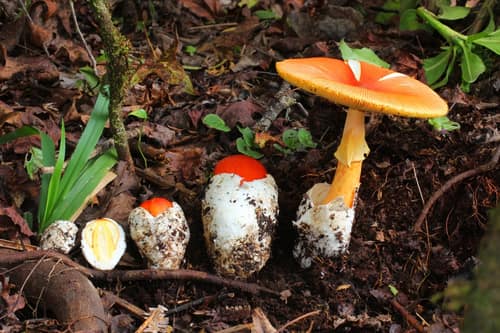
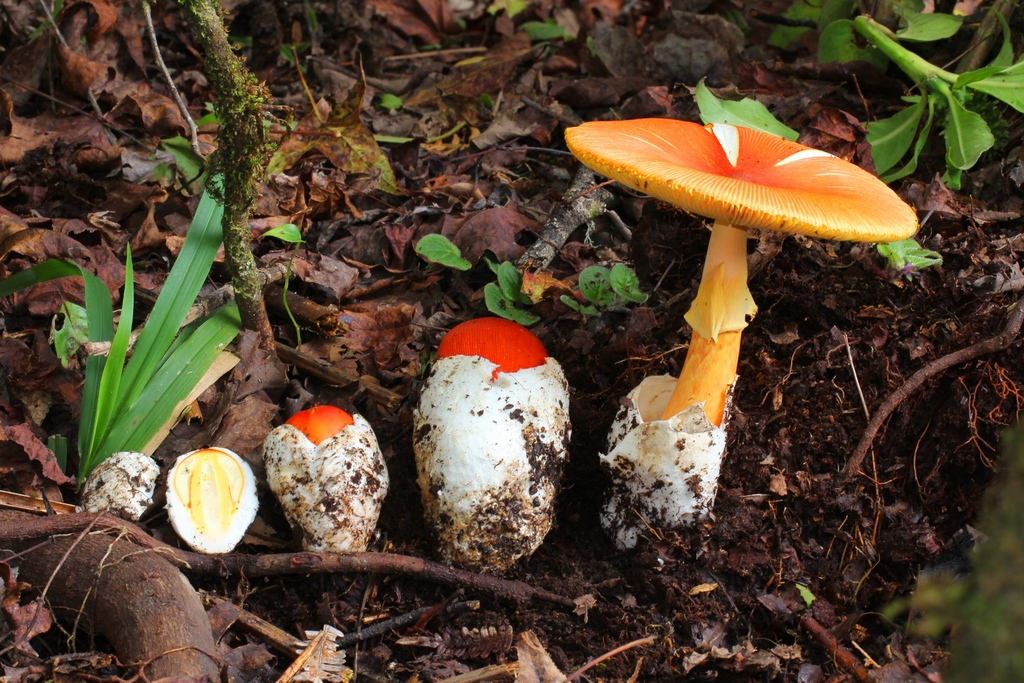
Mexican Caesar's mushrooms emerge from a thick white universal veil, unveiling a bright orange to reddish cap with distinctly striate margins and vibrant yellow gills. They form crucial mycorrhizal partnerships with pine and oak trees in cool highland forests across Mexico and Central America. The smooth yellow stalk features a delicate hanging ring and remains anchored inside a prominent white cup at its base.
FungusMycorrhizalHighland
—observations
—countries
—peak records
Not EvaluatedConservation statusIUCN Red List categoriesLCNTVUENCREWEXNot Evaluated — not placed on the risk ladderRed List categories, explained →
Diet & preyMycorrhizal (symbiotic with oak and pine roots)
Predators
- Fungus gnats
- Slugs
- Squirrels
ThreatsDeforestation, climate shift, and intense forest clearing
HabitatsHighland pine-oak forests and humid montane woodlands
Life spanUnderground mycelium lives for decades; fruiting bodies persist 5–10 days
Classification
- FamilyAmanitaceae
- SpeciesAmanita basii
Range data is not available yet.
Interaction riskHigh
- Low
- Moderate
- High
- Very high
- Why interaction risk is high
- Many wild mushrooms have deadly toxic look-alikes; never eat wild fungi based on app identification alone.
Responsible observation
- Observation: Examine the base of the stem gently to observe the white egg-like volva without breaking it.
- Timing: Look for fruiting bodies during late summer and early autumn after heavy highland rainstorms.
- Habitat cues: Search near mature oak and pine roots in undisturbed mountainous soils.
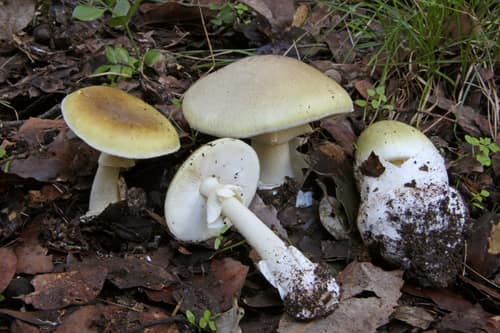
Dangerous Look-Alike (c) Davide Puddu, some rights reserved (CC BY), uploaded by Davide Puddu · cc-by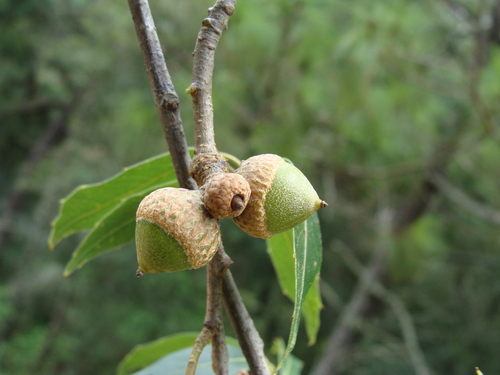
Host Plant (c) Alexis López Hernández, some rights reserved (CC BY), uploaded by Alexis López Hernández · cc-by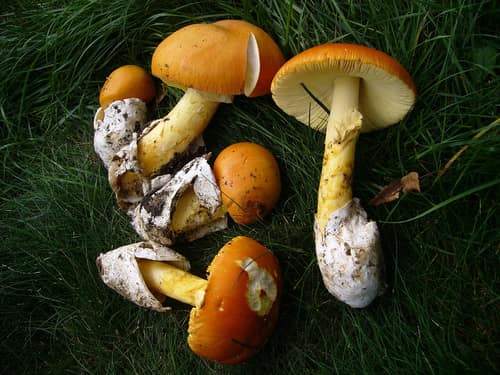
Close Relative Yaqui / CC BY-SA 3.0 · cc-by-sa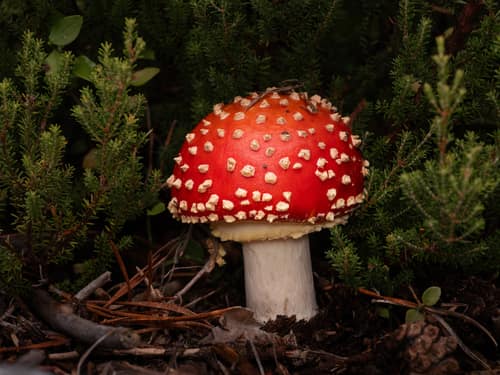
Close Relative (c) Borja Fierro, some rights reserved (CC BY), uploaded by Borja Fierro · cc-by
Help improve the field guideSomething wrong?
Checking your Fauna account…Report a name, category, or profile issue for review.