
Invertebrate
Amoeba proteus
Amoeba proteusAlso known as Proteus Animalcule
Amoeba proteus is a classic single-celled freshwater organism celebrated for its shifting morphology and fluid locomotion. Using blunt, finger-like pseudopodia powered by dynamic cytoplasmic streaming, it creeps along decaying pond substrate to engulf bacteria, microalgae, and smaller protozoans through phagocytosis. Its exceptionally large size among protists makes it a cornerstone laboratory specimen for observing intracellular structures such as the contractile vacuole and disk-shaped nucleus.
MicroscopicFreshwaterSingle-Celled
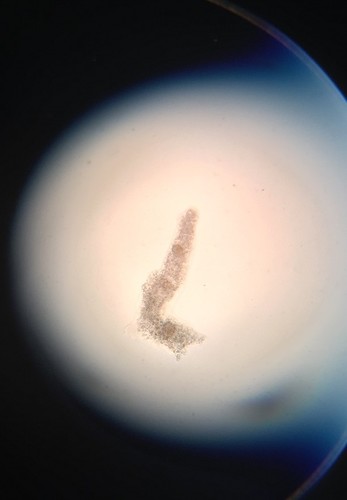
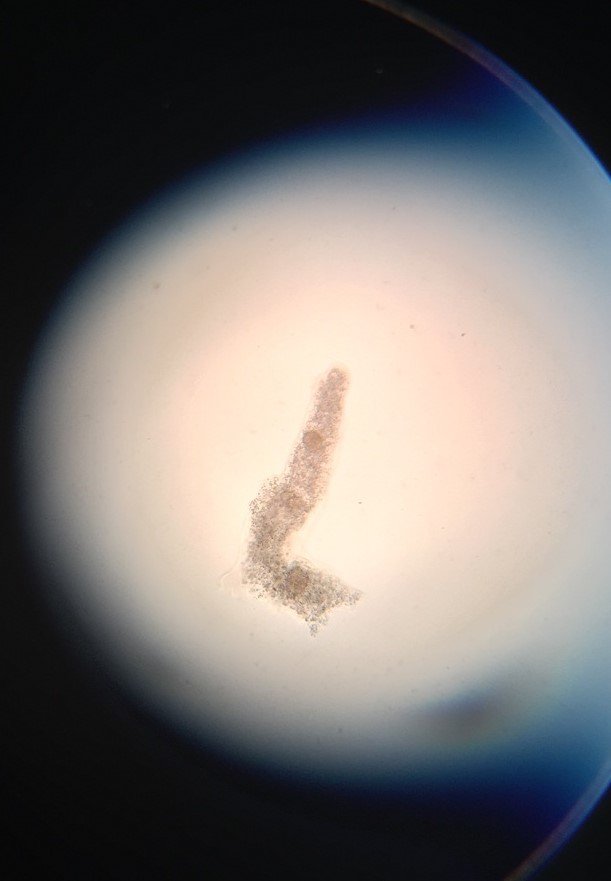
—observations
—countries
—peak records
Not EvaluatedConservation statusIUCN Red List categoriesLCNTVUENCREWEXNot Evaluated — not placed on the risk ladderRed List categories, explained →
Diet & preyParamecium, Diatom, Aquatic Bacteria
Predators
- Water Flea
- Copepod
- Rotifer
ThreatsChemical water pollution, acidification, and toxic agricultural runoff
HabitatsFreshwater ponds, marshes, and slow-moving streams with rich organic sediment
Life spanPotentially indefinite through continuous binary fission (cell cycle spans days to weeks)
Classification
- OrderAmoebida
- FamilyAmoebidae
- GenusAmoeba
- SpeciesAmoeba proteus
Range data is not available yet.
Interaction riskLow
- Low
- Moderate
- High
- Very high
- Why interaction risk is low
- Harmless to humans; safe to observe at a normal distance or under a microscope.
Responsible observation
- Microscope Viewing: Prepare a wet mount slide from bottom pond sediment and scan under low magnification.
- Contrast Adjustment: Stop down the microscope condenser diaphragm slightly to better define the clear cytoplasm.
- Laboratory Culturing: Maintain in shallow spring water dishes seeded with cracked wheat grains to support bacterial prey.
 Image unavailable
Prey 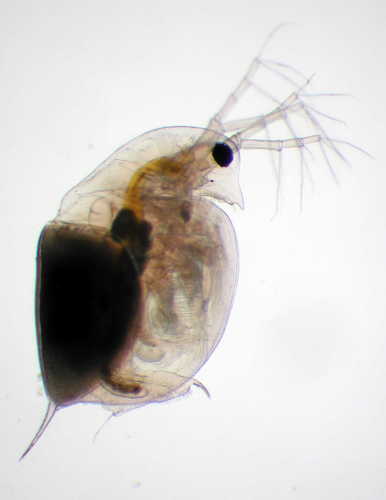
Predator (c) Dieter Ebert, Basel, Switzerland, some rights reserved (CC BY-SA) · cc-by-saCompetitor 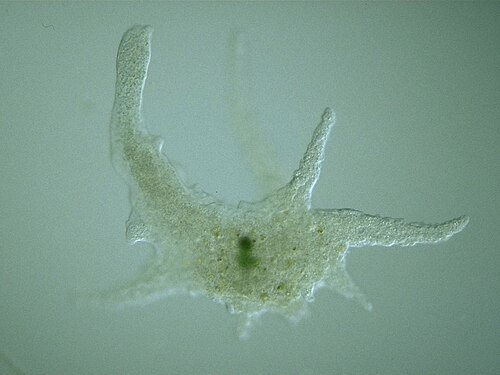
Close Relative dr.Tsukii Yuuji / CC BY-SA 2.5 · cc-by-sa
Help improve the field guideSomething wrong?
Checking your Fauna account…Report a name, category, or profile issue for review.