
Invertebrate
Giardia lamblia
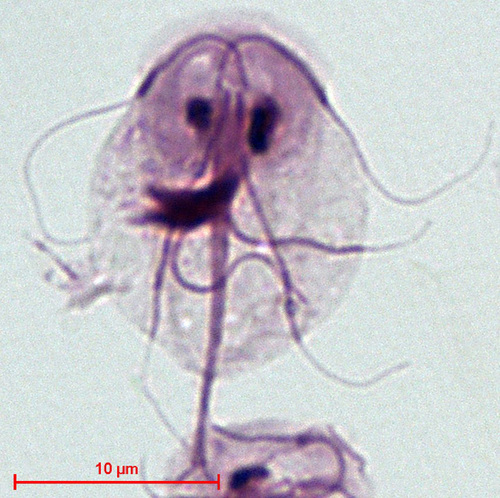
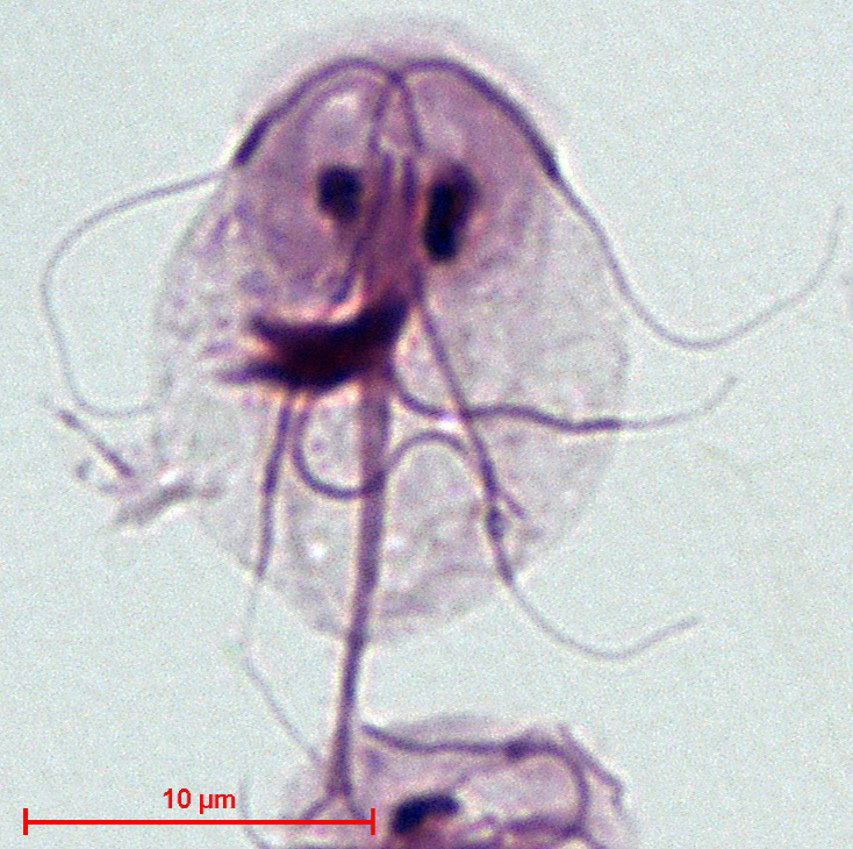
Giardia lambliaGiardia lamblia is a microscopic, pear-shaped protozoan that propels itself through the small intestine using four pairs of whip-like flagella. Inside a host, the active trophozoite uses a rigid ventral sucking disc to anchor onto intestinal cells and absorb nutrients, dividing rapidly without invading deeper tissue. When conditions turn harsh, the parasite wraps itself in a tough, dormant cyst wall that survives for months in cold streams and lakes until swallowed by another mammal or bird.
MicroscopicParasiticWaterborne
—observations
—countries
—peak records
Not EvaluatedConservation statusIUCN Red List categoriesLCNTVUENCREWEXNot Evaluated — not placed on the risk ladderRed List categories, explained →
Diet & preyIntestinal glucose, Amino acids, Bile lipids
ThreatsHost immune defenses, boiling water, desiccation, UV light, and antiparasitic medications.
HabitatsSmall intestines of mammals, birds, and amphibians; dormant cysts persist in freshwater lakes, streams, and soil worldwide.
Life spanTrophozoites divide every 5 to 12 hours; dormant cysts survive weeks to months in cold water.
Classification
- OrderDistomatida
- FamilyHexamitidae
- GenusGiardia
- SpeciesGiardia lamblia
Range data is not available yet.
Interaction riskLow
- Low
- Moderate
- High
- Very high
- Why interaction risk is low
- Ingesting dormant cysts in untreated freshwater causes giardiasis; always filter or boil backcountry water.
Responsible observation
- Water Safety: Boil, filter, or chemically treat untreated freshwater before drinking to remove dormant cysts.
- Microscopy: Stain samples with iodine to reveal the twin nuclei and characteristic smiling face pattern.
- Hygiene: Wash hands thoroughly with soap and water after handling pets, as alcohol sanitizers do not kill cysts.
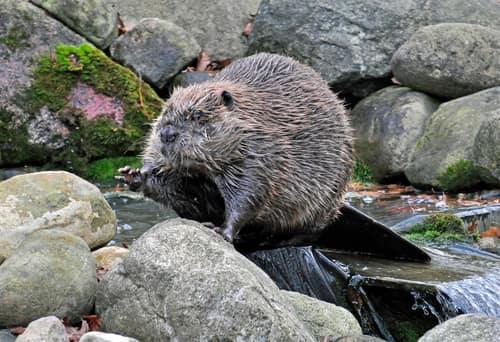
Host (c) Rodney Campbell, some rights reserved (CC BY) · cc-by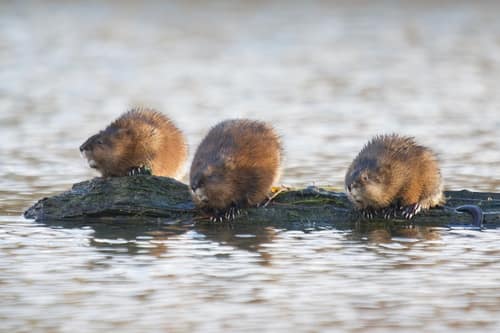
Host (c) Owen Strickland, some rights reserved (CC BY), uploaded by Owen Strickland · cc-by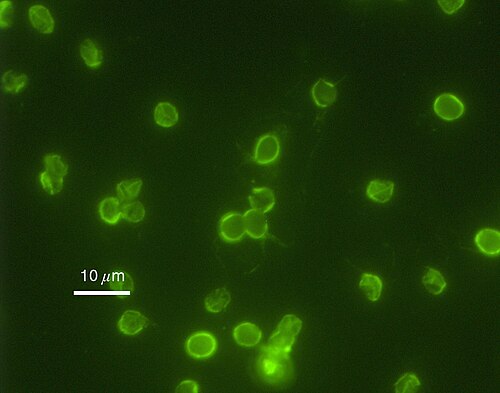
Neighbor Wikimedia Commons / Public domain · cc0 Image unavailable
Close Relative
Help improve the field guideSomething wrong?
Checking your Fauna account…Report a name, category, or profile issue for review.