
Plant · GBIF taxon 5421410
Venus Flytrap
Dionaea muscipulaAlso known as Venus's Flytrap, Flytrap
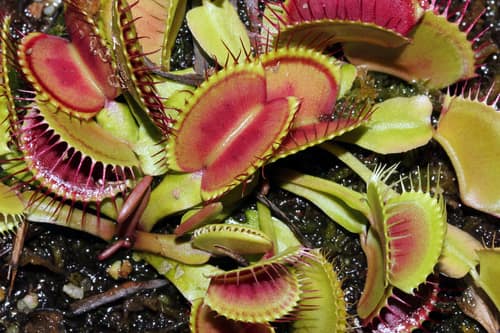
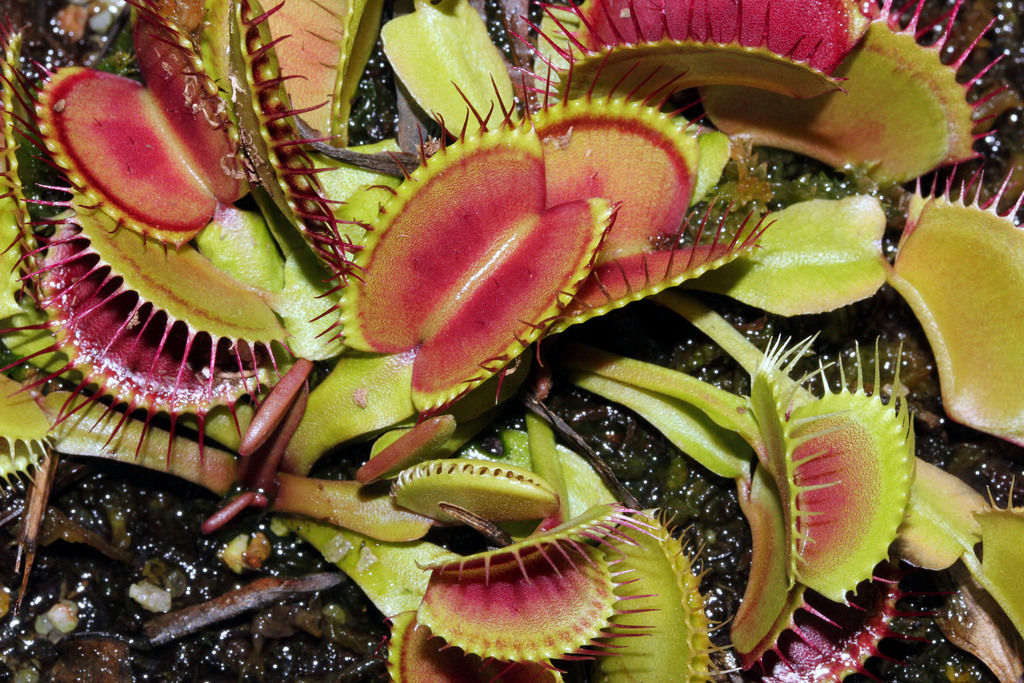
Venus flytraps thrive in nutrient-poor, acidic bogs where their modified leaves trap crawling insects to supplement essential nitrogen. Sensitive trigger hairs inside each trap require two distinct touches within twenty seconds to snap shut, preventing false alarms from falling rain or debris. Periodic ground fires clear competing vegetation, giving these light-loving rosettes open access to sunlight.
CarnivorousPerennialThreatened
—observations
—countries
—peak records
VulnerableConservation statusIUCN Red List categoriesLCNTVUENCREWEXVulnerableRed List categories, explained →
Diet & prey
- Ants
- Spiders
- Beetles
Predators
- Aphids
- Fungus Gnats
- Wild Boar
ThreatsPoaching, habitat destruction, fire suppression
HabitatsAcidic bogs, wet longleaf pine savannas, pocosins
Life spanUp to 20 years
Size / weightNot available
Classification
- OrderCaryophyllales
- FamilyDroseraceae
- GenusDionaea
- SpeciesDionaea muscipula
Range data is not available yet.
Interaction riskLow
- Low
- Moderate
- High
- Very high
- Why interaction risk is low
- Safe to observe at a normal distance.
- What to notice
- Look for small ground-level rosettes with green or reddish clam-like leaf traps in wet coastal pine savannas.
- Support conservation
- Never collect wild plants or trigger traps artificially, as closing without digested prey starves the plant.
Responsible observation
- Observe Traps: Avoid touching trigger hairs, as closing empty traps wastes vital plant energy.
- Respect Wild Habitat: Stay on boardwalks in protected bogs to prevent crushing sensitive plants.
- Ethical Sourcing: Purchase cultivated specimens only from reputable tissue-culture growers.
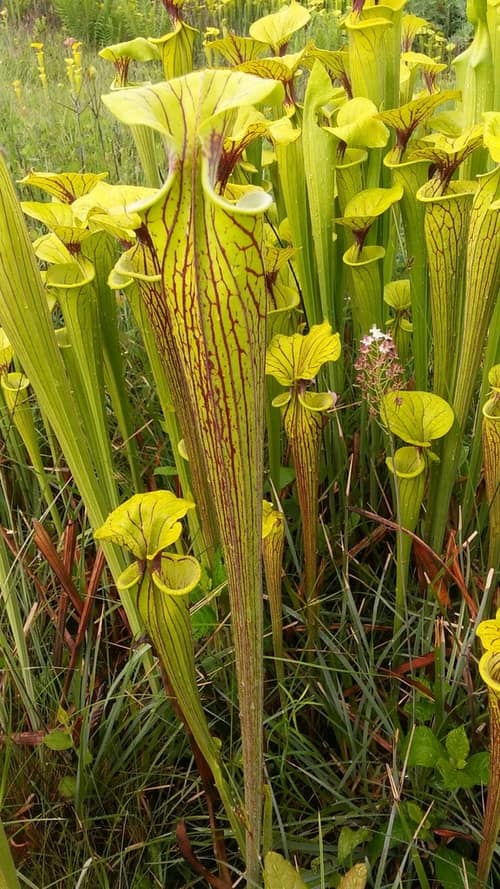
Habitat Companion (c) Alpha Wolf, some rights reserved (CC BY), uploaded by Alpha Wolf · cc-by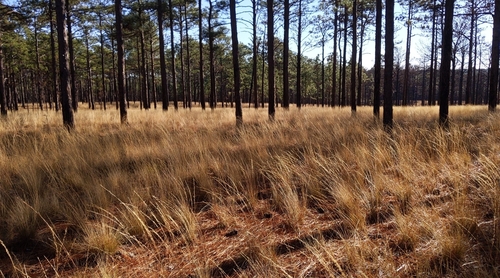
Habitat Companion no rights reserved · cc0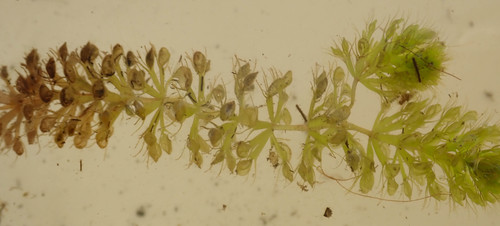
Close Relative (c) Wilderness Safaris Botswana - Conservation Team, some rights reserved (CC BY), uploaded by Wilderness Safaris Botswana - Conservation Team · cc-by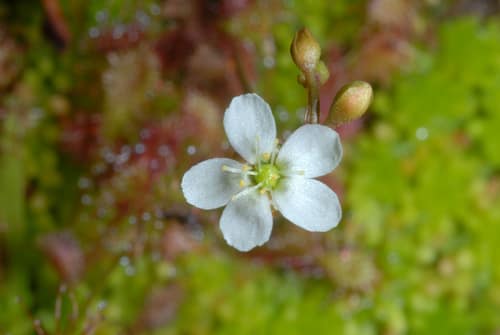
Close Relative (c) Douglas Goldman, some rights reserved (CC BY-SA), uploaded by Douglas Goldman · cc-by-sa
Help improve the field guideSomething wrong?
Checking your Fauna account…Report a name, category, or profile issue for review.