
Plant
Wire Grass
Aristida strictaAlso known as Pineland Three-awn, Carolina Wiregrass
Wire grass forms dense, wiry tufts that serve as the fundamental fuel engine for the fire-dependent longleaf pine ecosystem. Clumps produce abundant fine, highly flammable litter that promotes rapid, low-intensity surface fires, which simultaneously clear brush and stimulate the grass to flower. It rarely produces viable seed without growing-season burns, instead persisting in stable clumps that can survive for decades.
BunchgrassFire-adaptedPerennial
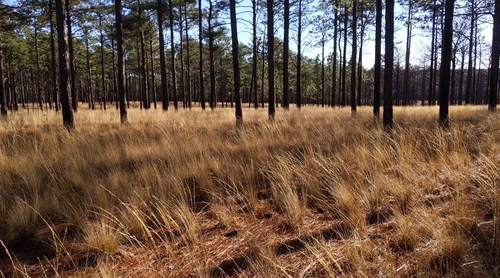
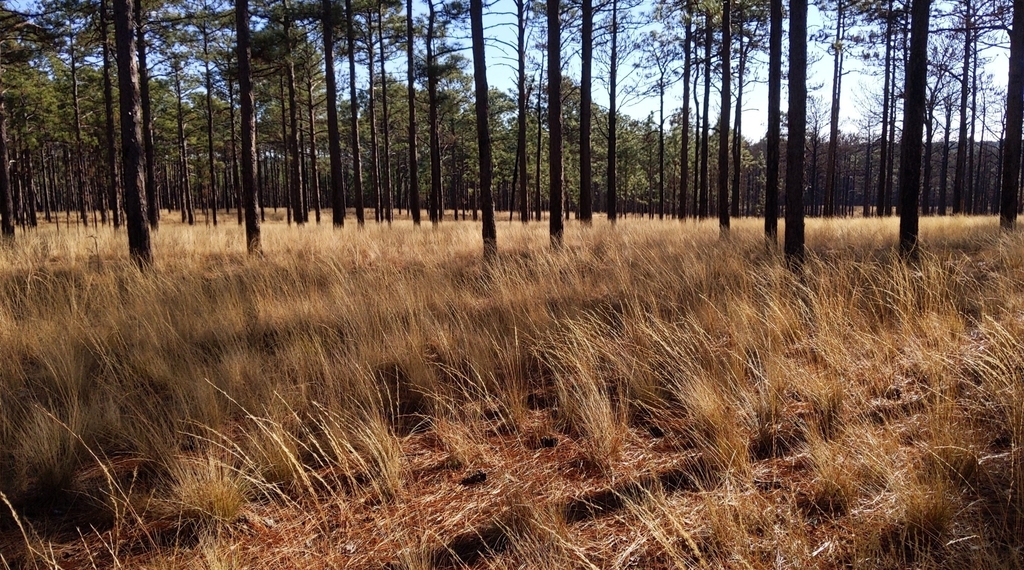
—observations
—countries
—peak records
Not EvaluatedConservation statusIUCN Red List categoriesLCNTVUENCREWEXNot Evaluated — not placed on the risk ladderRed List categories, explained →
Diet & preySunlight, Water, Soil nutrients
Predators
- Gopher Tortoise
- Cotton Rat
- White-tailed Deer
ThreatsFire suppression, habitat destruction, and intensive agricultural conversion
HabitatsLongleaf pine sandhills, flatwoods, and coastal plain savannas
Life spanPerennial (decades)
Classification
- FamilyPoaceae
- SpeciesAristida stricta
Range data is not available yet.
Interaction riskLow
- Low
- Moderate
- High
- Very high
- Why interaction risk is low
- Safe to observe at a normal distance.
Responsible observation
- Timing your search: Look for upright flowering culms in late summer or autumn, almost exclusively in sites burned the preceding spring.
- Tread carefully: Avoid trampling fragile clumps in remnant coastal plain savannas, where slow-growing root systems stabilize sandy soils.
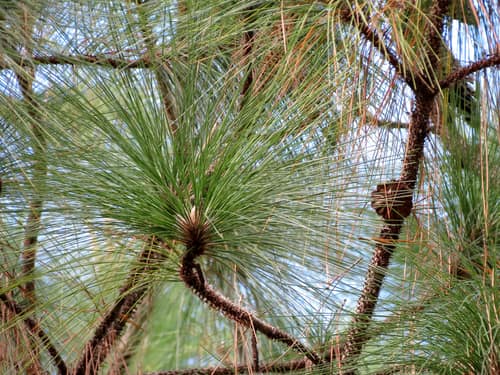
Ecosystem Partner (c) Katja Schulz, some rights reserved (CC BY) · cc-by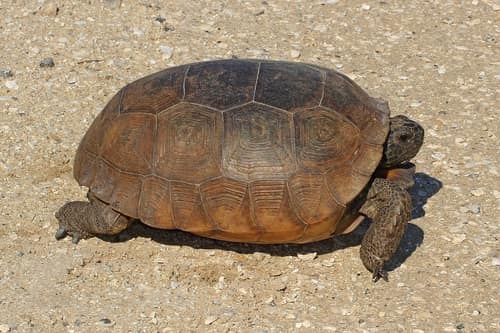
Herbivore Judy Gallagher / CC BY 2.0 · cc-by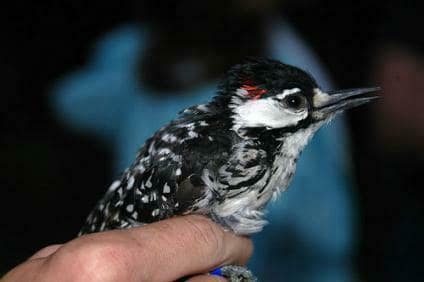
Ecosystem Companion (c) ChattOconeeNF, some rights reserved (CC BY) · cc-by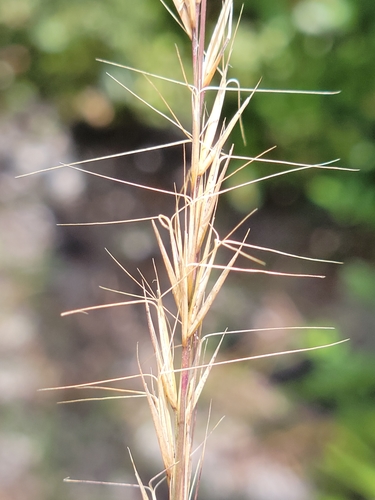
Close Relative (c) Jay Horn, some rights reserved (CC BY), uploaded by Jay Horn · cc-by
Help improve the field guideSomething wrong?
Checking your Fauna account…Report a name, category, or profile issue for review.