
Plant
Strawberry Guava
Psidium cattleianumAlso known as Cherry Guava, Lemon Guava, Waiawī
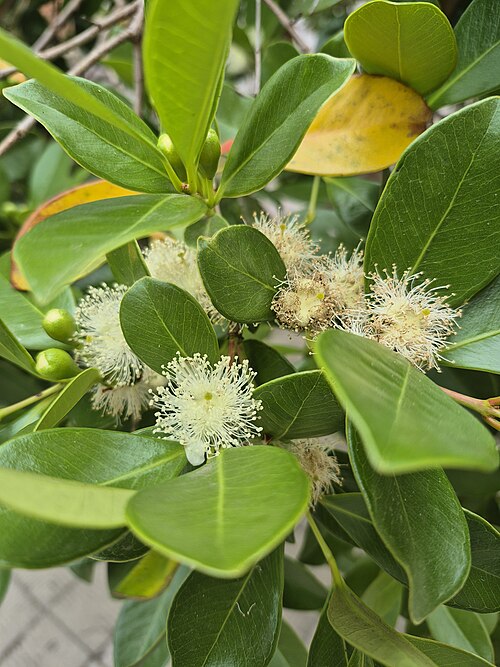
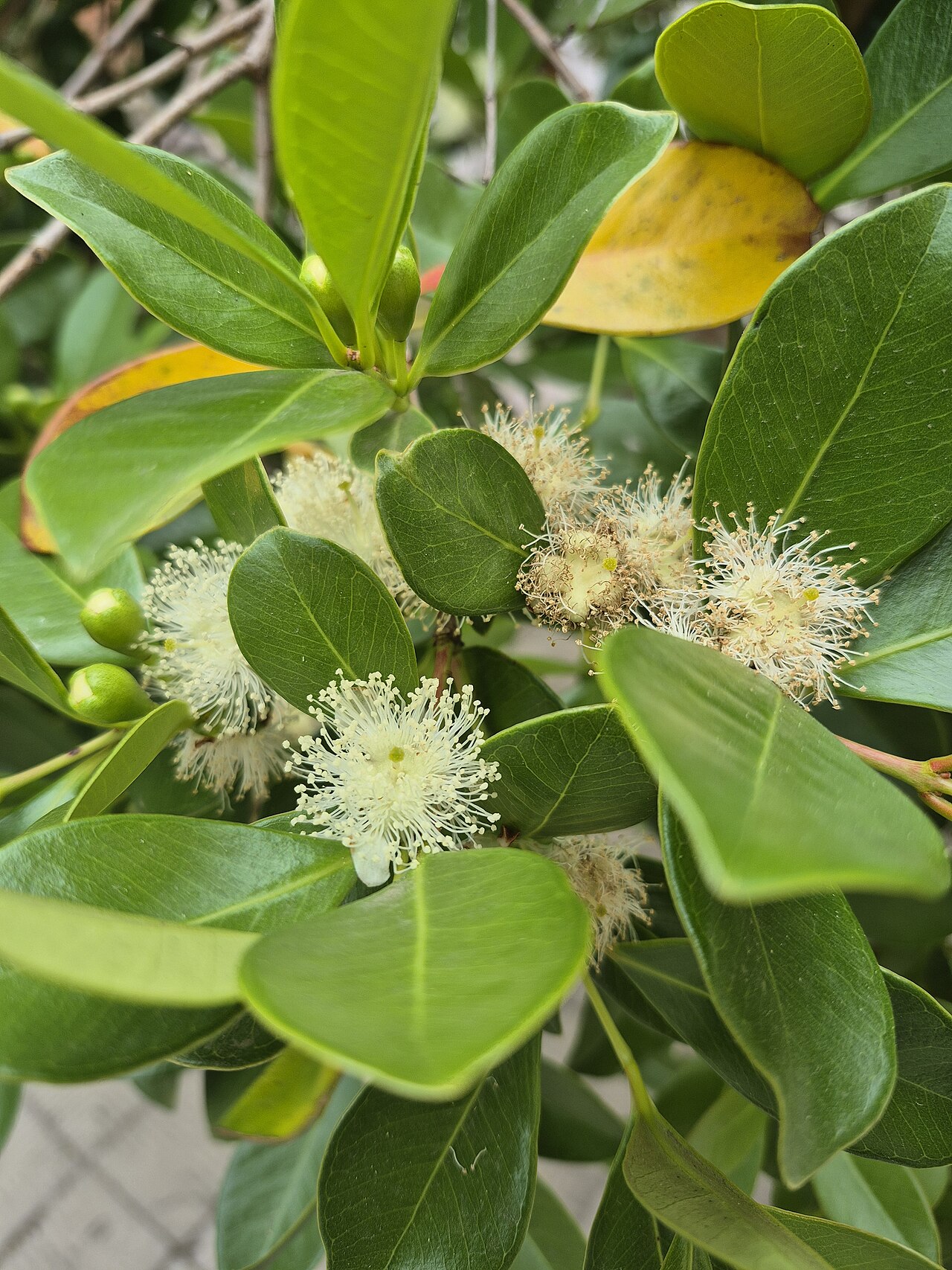
Strawberry guava forms dense, shady thickets in tropical and subtropical landscapes, recognized by smooth reddish bark and glossy, oval leaves. Small white flowers with soft clusters of stamens give way to round fruits that mature into shades of deep purple-red or lemon yellow. Native to eastern Brazil, its rapid spread via bird and mammal seed dispersal has made it a major threat to native understory vegetation in island ecosystems worldwide.
Fruit-BearingInvasiveEvergreen
—observations
—countries
—peak records
Not EvaluatedConservation statusIUCN Red List categoriesLCNTVUENCREWEXNot Evaluated — not placed on the risk ladderRed List categories, explained →
Diet & preyAutotrophic (Photosynthetic)
ThreatsEradication programs, biological control agents
HabitatsTropical rainforests, subtropical woodlands, coastal scrub, disturbed areas
Life span20–50 years
Classification
- OrderMyrtales
- FamilyMyrtaceae
- GenusPsidium
- SpeciesPsidium cattleianum
Range data is not available yet.
Interaction riskLow
- Low
- Moderate
- High
- Very high
- Why interaction risk is low
- Wild fruits have toxic look-alikes; never eat wild plants based on app identification alone.
Responsible observation
- Identification: Look for smooth, reddish-brown peeling bark and thick, leathery opposite leaves.
- Ecology: Watch for frugivorous birds feeding on the canopy crop during fruiting seasons.
- Management: Clean footwear after hiking through infested trails to avoid dispersing seeds into native forests.
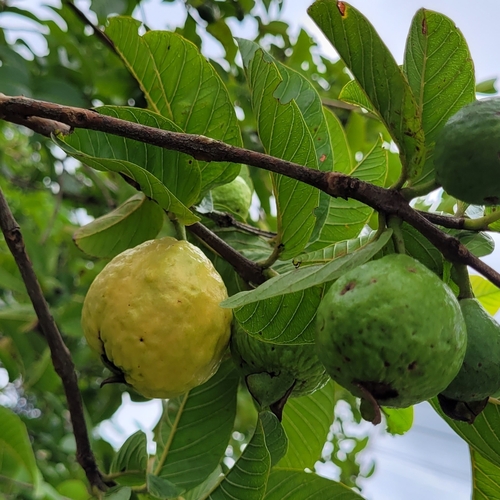
Close Relative (c) Daniel Dias, some rights reserved (CC BY-SA), uploaded by Daniel Dias · cc-by-sa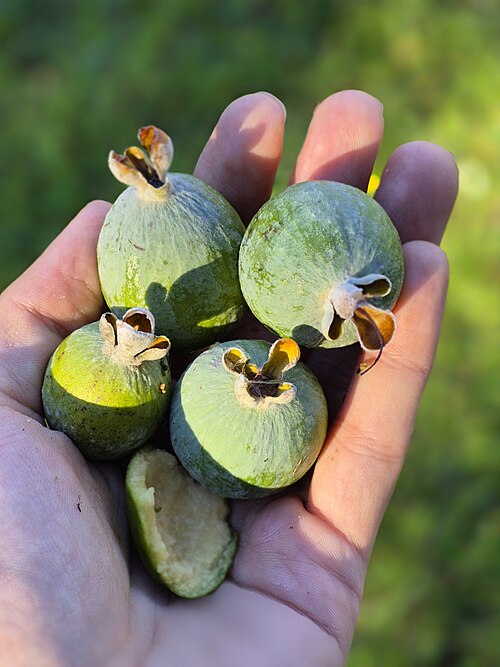
Family Member Gabriel Collares / CC BY 4.0 · cc-by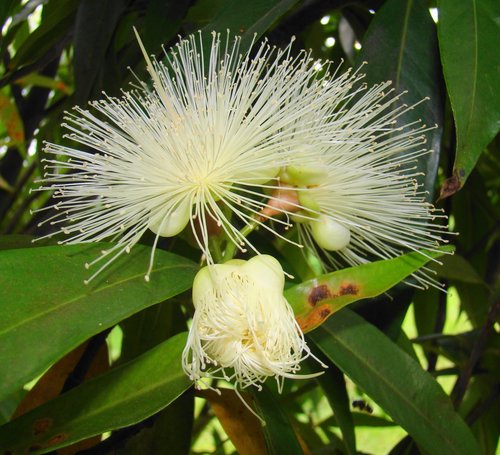
Family Member (c) mauroguanandi, some rights reserved (CC BY) · cc-by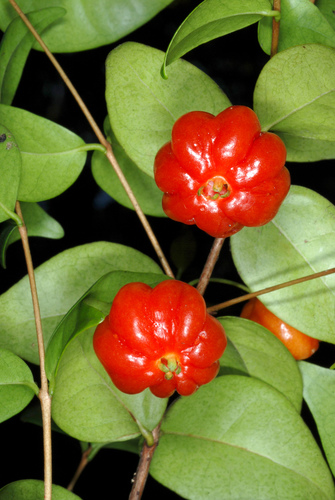
Family Member (c) Douglas Goldman, some rights reserved (CC BY-SA), uploaded by Douglas Goldman · cc-by-sa
Help improve the field guideSomething wrong?
Checking your Fauna account…Report a name, category, or profile issue for review.