
Plant
Butterfly Bush
Kunzea ambiguaAlso known as White Kunzea, Tick Bush, Poverty Bush, White Cloud
White kunzea forms dense, arching thickets across the rocky shores and heathlands of south-eastern Australia, filling spring air with a pungent honey-like fragrance. The aromatic leaves are packed with volatile essential oils that deter many browsing herbivores, though native wallabies often seek shelter beneath the tangled canopy. Its masses of fluffy white blossoms produce abundant nectar, fueling vast numbers of foraging native wasps, beetles, and butterflies.
AromaticFloweringPollinator Magnet
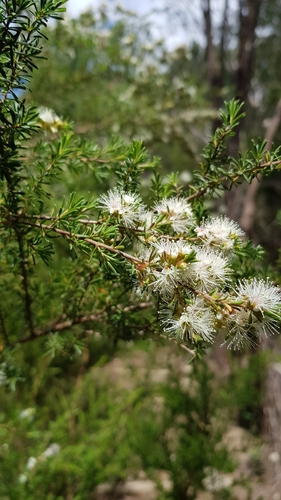
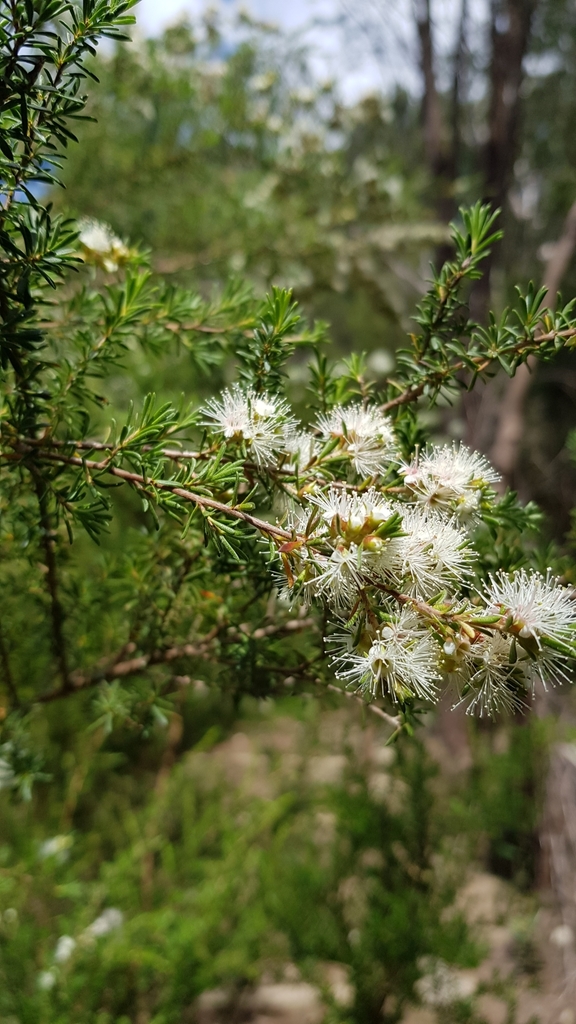
—observations
—countries
—peak records
Least ConcernConservation statusIUCN Red List categoriesLCNTVUENCREWEXLeast ConcernRed List categories, explained →
Diet & preySunlight, Water, Soil Nutrients
Predators
- Swamp Wallaby
- Flea Beetle
- Case Moth Caterpillar
ThreatsAltered fire regimes, urban development, invasive weed encroachment
HabitatsCoastal heath, dry sclerophyll forest, rocky granite outcrops, sandy soils
Life span20–50 years
Classification
- FamilyMyrtaceae
- SpeciesKunzea ambigua
Range data is not available yet.
Interaction riskLow
- Low
- Moderate
- High
- Very high
- Why interaction risk is low
- Safe to observe at a normal distance.
Responsible observation
- Scented Foliage: Lightly rub the tiny leaves between your fingers to release the pungent honey and camphor scent.
- Pollinator Watching: Visit flowering bushes on sunny mornings to watch native solitary bees and hoverflies gather nectar.
- Garden Cultivation: Plant in well-drained, sandy soil in full sun for a resilient, drought-tolerant flowering hedge.
 Image unavailable
Close Relative 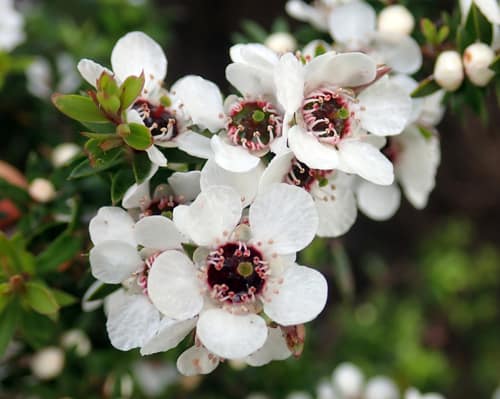
Same Family no rights reserved, uploaded by Peter de Lange · cc0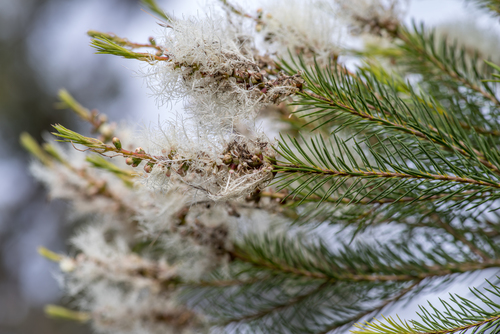
Same Family (c) Bruce Cathie, some rights reserved (CC BY), uploaded by Bruce Cathie · cc-by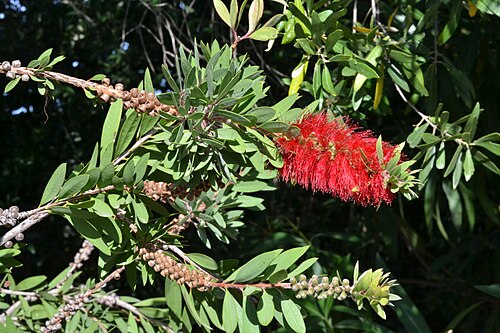
Same Family DirkHoffmann / CC BY-SA 3.0 · cc-by-sa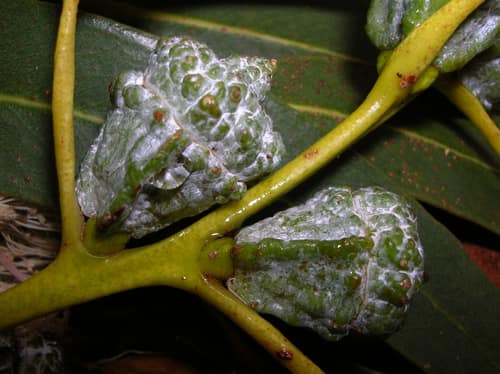
Same Family (c) Forest and Kim Starr, some rights reserved (CC BY) · cc-by
Help improve the field guideSomething wrong?
Checking your Fauna account…Report a name, category, or profile issue for review.