
Plant · GBIF taxon 5418386
Spotted Gum
Corymbia maculataAlso known as Spotted Iron Gum, Mottled Gum
Spotted gums dominate the canopy of eastern Australian coastal forests, instantly recognizable by their mottled, dimpled trunks shedding in irregular scales of cream, slate, and soft pink. Masses of white flowers erupt throughout autumn and winter, providing a critical nectar reservoir for nomadic honeyeaters, lorikeets, and flying foxes when other food is scarce. Highly valued for its exceptionally dense, shock-resistant timber, this resilient hardwood also flourishes as a prominent shade tree in urban parks.
Canopy TreeAustralian NativeBird Attracting
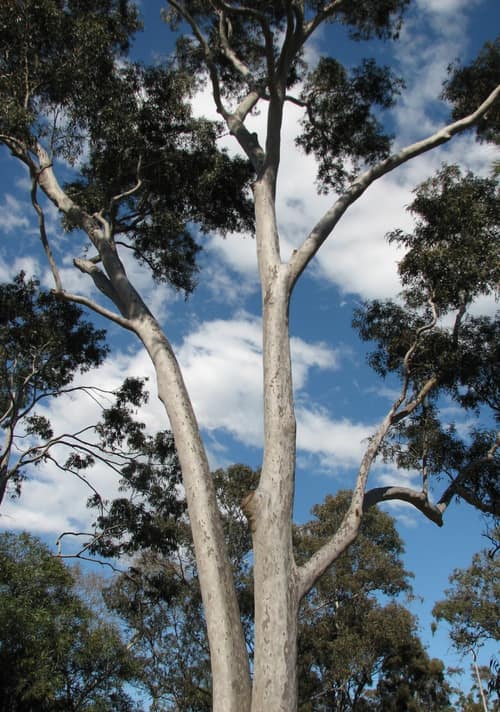
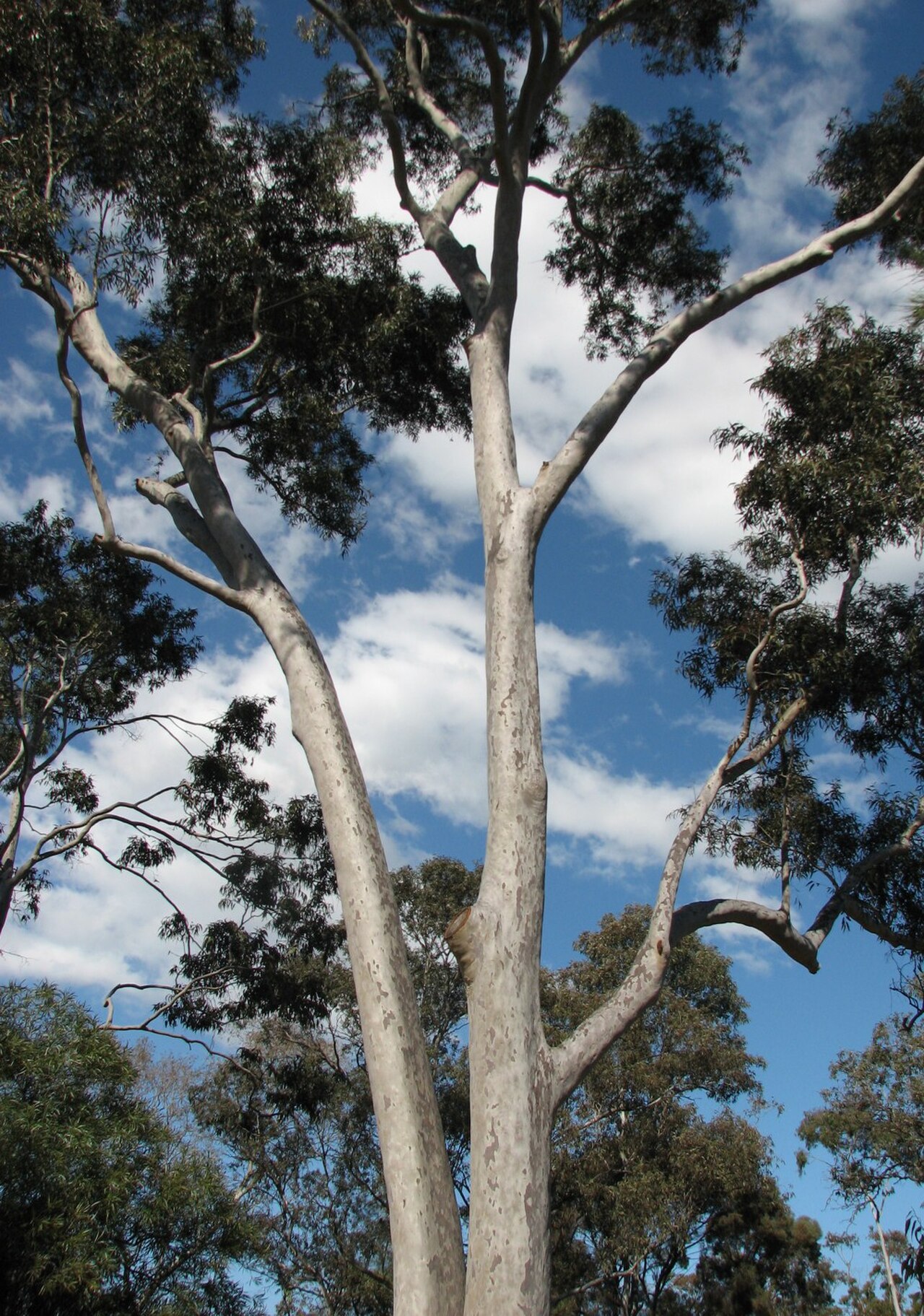
Licensed referenceMelburnian / CC BY 3.0 · cc-by
—observations
—countries
—peak records
Least ConcernConservation statusIUCN Red List categoriesLCNTVUENCREWEXLeast ConcernRed List categories, explained →
Diet & prey
- Autotrophic (photosynthesis)
Predators
- Koala
- Psyllid bugs
- Longhorn beetle larvae
ThreatsHabitat clearing, fire regime changes, and myrtle rust infection
HabitatsOpen sclerophyll forests, coastal ridges, and fertile undulating hills
Life span150–400 years
Size / weightNot available
Classification
- OrderMyrtales
- FamilyMyrtaceae
- GenusCorymbia
- SpeciesCorymbia maculata
Range data is not available yet.
Interaction riskHigh
- Low
- Moderate
- High
- Very high
- Why interaction risk is high
- Safe to observe at a normal distance.
Responsible observation
- Bark Viewing: Examine the smooth trunk in summer when deciduous flakes peel away to reveal freshly exposed pink and cream layers.
- Canopy Watching: Train binoculars on the upper crown in winter to spot flocks of lorikeets and honeyeaters foraging among the blossoms.
- Nut Identification: Inspect ground litter beneath mature trees to find the heavy, urn-shaped woody seed capsules.
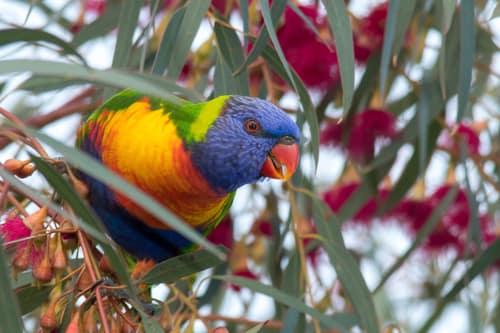
Pollinator (c) Andrew Allen, some rights reserved (CC BY), uploaded by Andrew Allen · cc-by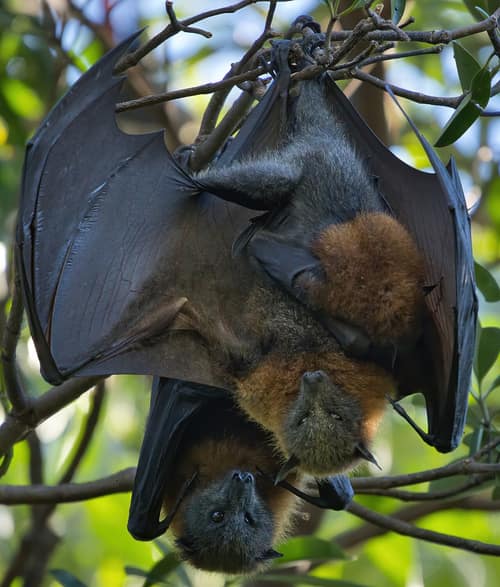
Pollinator Andrew Mercer (www.baldwhiteguy.co.nz) / CC BY-SA 4.0 · cc-by-sa Image unavailable
Frequent Companion 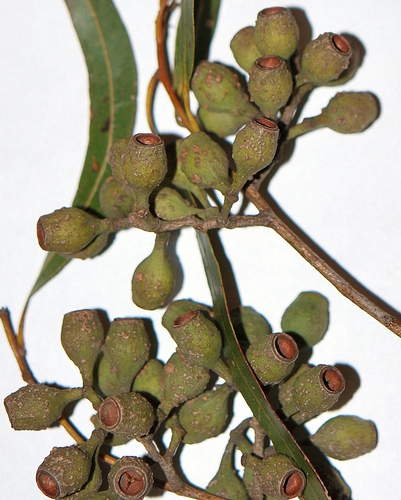
Close Relative (c) Charles Stirton, some rights reserved (CC BY-SA), uploaded by Charles Stirton · cc-by-saClose Relative
Help improve the field guideSomething wrong?
Checking your Fauna account…Report a name, category, or profile issue for review.