
Mammal · GBIF taxon 5218655
Grey-headed Flying-fox
Pteropus poliocephalusAlso known as Grey-headed Fruit Bat
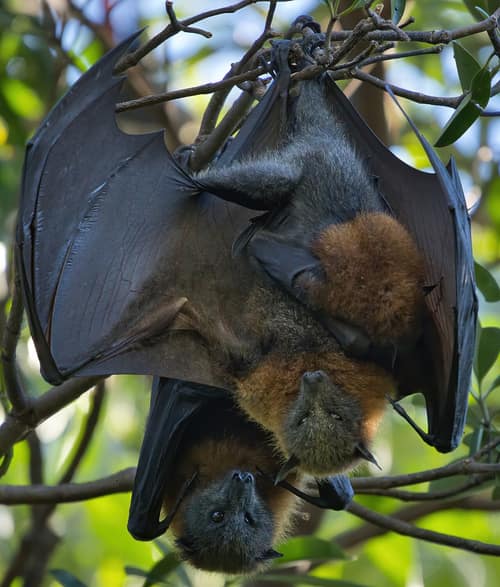
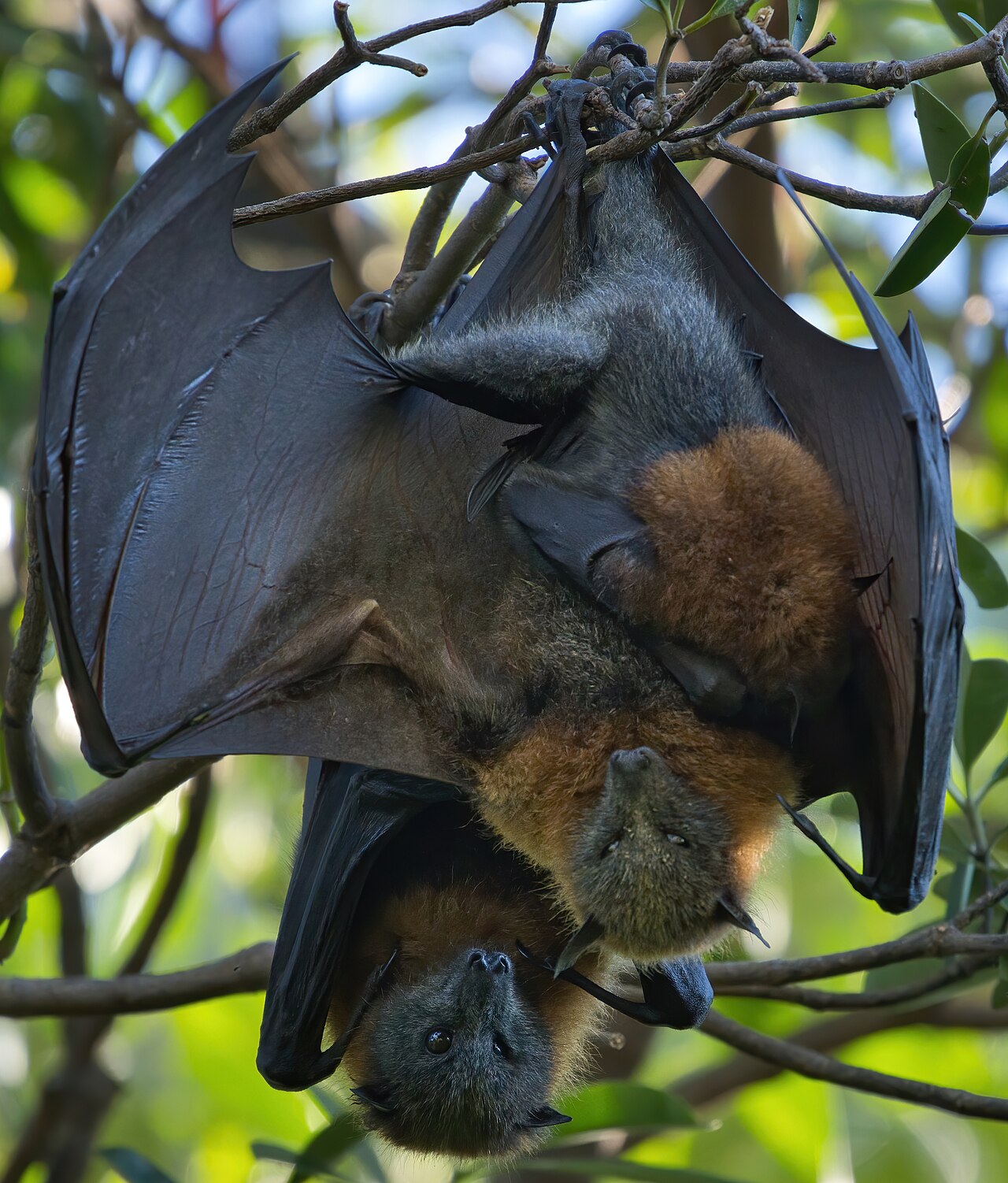
Grey-headed flying-foxes are Australia's largest bats, easily recognized by their dark grey bodies, soft grey heads, and rich rusty-orange collar bands. These highly social mammals gather by the thousands in noisy daytime canopy camps before fanning out across the landscape at dusk. By traveling tens of kilometers each night in search of nectar, pollen, and fruit, they serve as vital long-distance pollinators for native hardwood forests.
PollinatorNocturnalSocial
—observations
—countries
—peak records
VulnerableConservation statusIUCN Red List categoriesLCNTVUENCREWEXVulnerableRed List categories, explained →
Diet & prey
- Eucalyptus nectar
- Native figs
- Lilly pilly fruit
Predators
- Powerful Owl
- White-bellied Sea-Eagle
- Carpet Python
ThreatsExtreme heat events, loss of foraging habitat, human conflict, and netting entanglement.
HabitatsSubtropical and temperate rainforests, sclerophyll forests, woodlands, and urban parks.
Life span15–20 years
Size / weightNot available
Classification
- OrderChiroptera
- FamilyPteropodidae
- GenusPteropus
- SpeciesPteropus poliocephalus
Native
Interaction riskModerate
- Low
- Moderate
- High
- Very high
- Why interaction risk is moderate
- Never handle grounded bats due to Australian Bat Lyssavirus risks; contact a certified wildlife rescuer.
- Why it is dangerous
- Carries Australian Bat Lyssavirus and Hendra virus, which can cause fatal neurological or respiratory illness in humans through bites or scratches.
- How to recognize a risky encounter
- Look for a dark grey mantle, a pale grey head, and a distinctive orange collar around the neck.
- What to do
- Never touch or handle a wild bat directly; always call a vaccinated wildlife professional.
- What to notice
- Identified by its large size, broad wingspan, and day-roosting behavior high in tree canopies.
- Support conservation
- Maintain a quiet distance from roosting camps to avoid causing unnecessary stress or fatal colony stampedes.
Responsible observation
- Dusk Watching: Position yourself near flying-fox camps at twilight to watch thousands take flight at once.
- Fruit Tree Protection: Use wildlife-safe fruit netting with small mesh gaps to prevent wing entanglements.
- Report Grounded Individuals: Contact trained wildlife carers immediately if you see an injured or grounded bat.
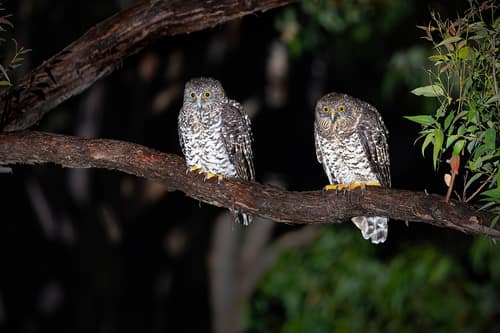
Predator JJ Harrison / CC BY-SA 4.0 · cc-by-sa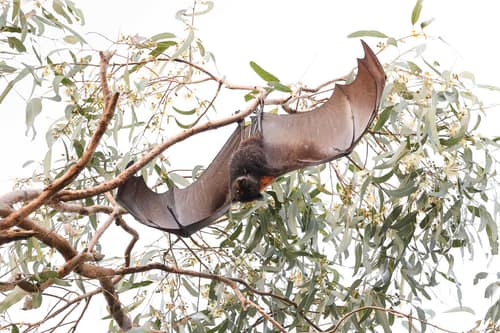
Close Relative (c) Ged Tranter, some rights reserved (CC BY), uploaded by Ged Tranter · cc-by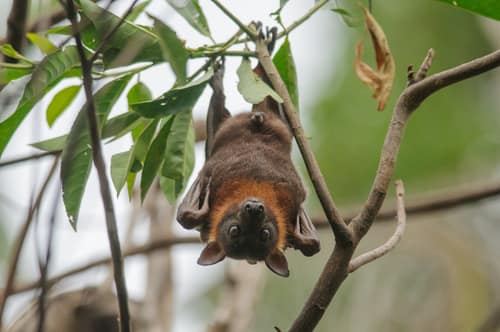
Close Relative (c) Rolf Lawrenz, some rights reserved (CC BY), uploaded by Rolf Lawrenz · cc-by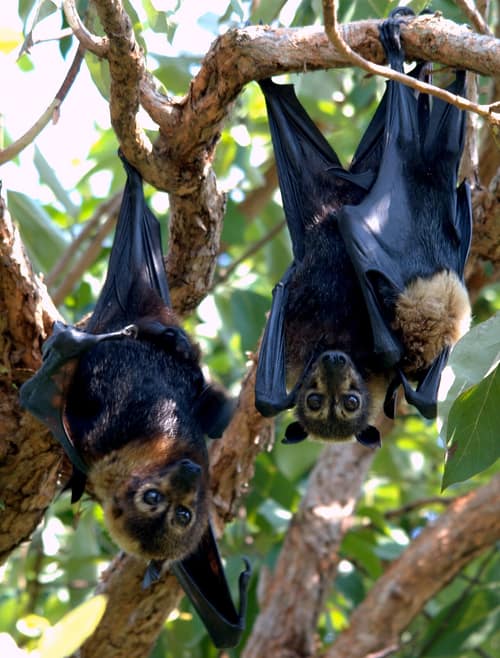
Close Relative Justin Welbergen / CC BY-SA 3.0 · cc-by-sa
Keep collecting in Fauna
Found in Collections
Species set
Moonlight Marvels
Grey-headed Flying-fox is found in this collection. Identify it in Fauna to fill this slot and continue your progress.
—/7
Help improve the field guideSomething wrong?
Checking your Fauna account…Report a name, category, or profile issue for review.