
Plant · GBIF taxon 5415832
Broad-leaved Paperbark
Melaleuca quinquenerviaAlso known as Paperbark Tea Tree, Niaouli, Punk Tree
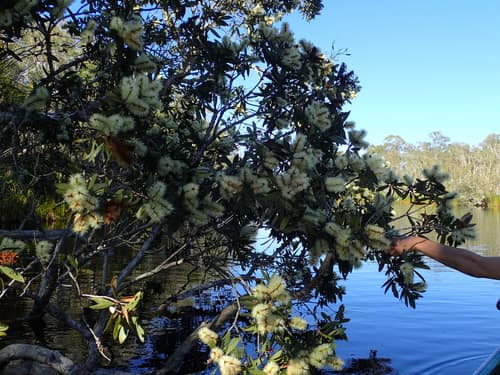
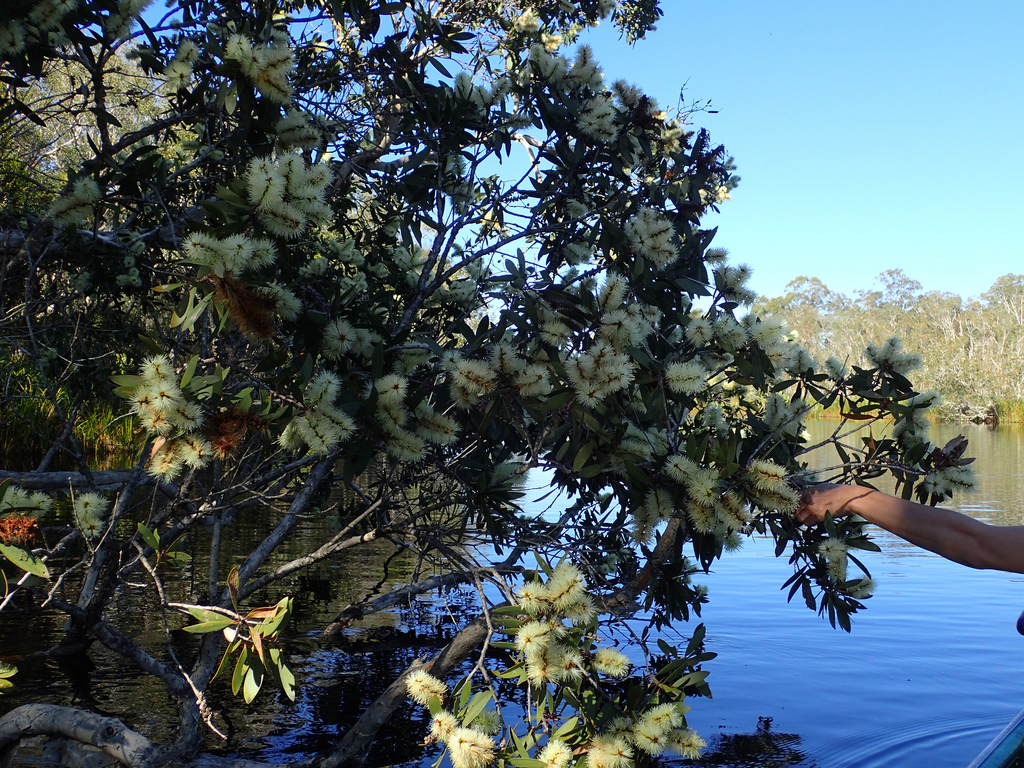
Broad-leaved paperbarks dominate coastal swamps and estuaries, anchoring waterlogged soils with dense fibrous root networks. Their multilayered, spongy bark insulates living tissues from seasonal wildfires and sheds continuously in pale, parchment sheets. During flowering flushes, the creamy bottlebrush spikes fill wetlands with a honeyed aroma, supplying essential nectar to flying foxes and migratory birds.
TreeAromaticWetland
 1 / 7
1 / 7—observations
—countries
—peak records
Least ConcernConservation statusIUCN Red List categoriesLCNTVUENCREWEXLeast ConcernRed List categories, explained →
Diet & prey
- Autotrophic (photosynthetic)
Predators
- Melaleuca Weevil
- Paperbark Sawfly
ThreatsWetland drainage and clearing in native habitats; aggressive biocontrol where invasive
HabitatsCoastal swamps, riparian margins, floodplains, and brackish estuaries
Life span100–150 years
Classification
- OrderMyrtales
- FamilyMyrtaceae
- GenusMelaleuca
- SpeciesMelaleuca quinquenervia
Range data is not available yet.
Interaction riskLow
- Low
- Moderate
- High
- Very high
- Why interaction risk is low
- Safe to observe at a normal distance.
Responsible observation
- Bark Inspection: Lightly press the trunk to feel the soft, springy layers of fire-insulating bark.
- Leaf Aroma: Crush a fallen leaf between your fingers to detect the pungent camphoraceous scent of essential oils.
- Bloom Watching: Scan the white flower spikes at dusk to spot foraging nectar bats and honeyeaters.
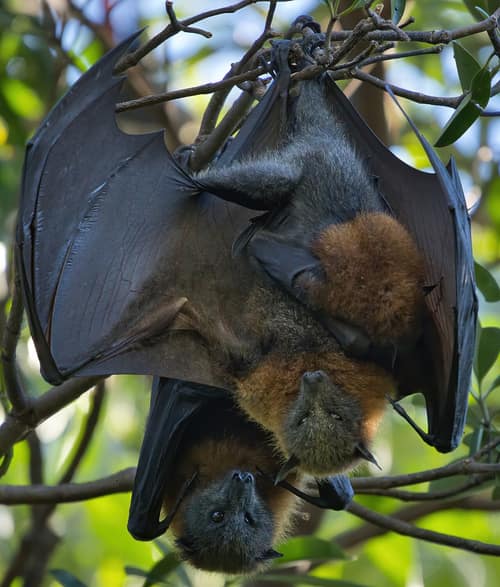
Pollinator Andrew Mercer (www.baldwhiteguy.co.nz) / CC BY-SA 4.0 · cc-by-sa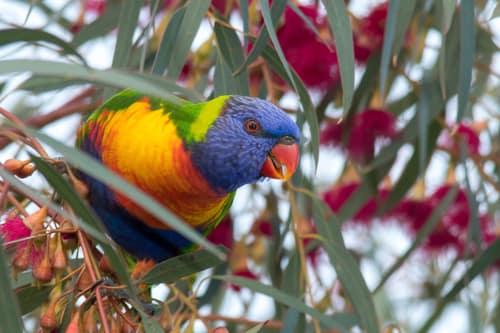
Pollinator (c) Andrew Allen, some rights reserved (CC BY), uploaded by Andrew Allen · cc-by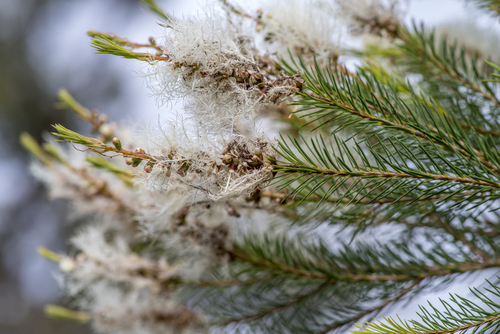
Close Relative (c) Bruce Cathie, some rights reserved (CC BY), uploaded by Bruce Cathie · cc-by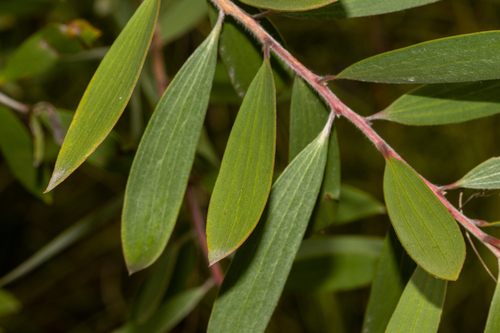
Close Relative (c) T. Hammer, some rights reserved (CC BY), uploaded by T. Hammer · cc-by
Help improve the field guideSomething wrong?
Checking your Fauna account…Report a name, category, or profile issue for review.