
Flower
Branched Foldwing
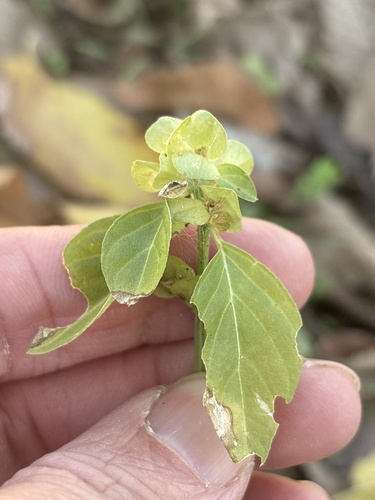
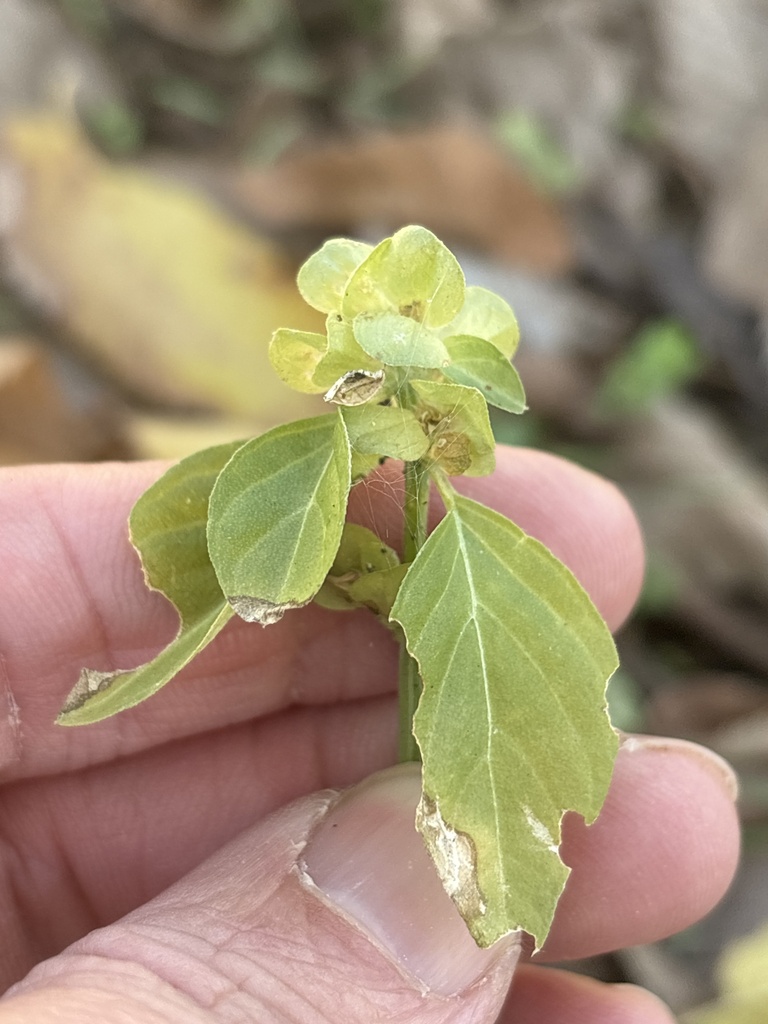
Dicliptera brachiataAlso known as Wild Mudplant, Pink Dicliptera
Branched foldwing forms sprawling, multi-branched colonies throughout rich bottomland woods and along shaded riverbanks across eastern North America. In late summer and autumn, slender zig-zagging stems produce delicate pink to violet two-lipped flowers held tightly between pairs of leafy, wing-like bracts. These late-season blossoms provide an essential nectar reserve for native bees and beeflies as canopy shade deepens and forest temperatures cool.
WildflowerPerennialLate Blooming
—observations
—countries
—peak records
Not EvaluatedConservation statusIUCN Red List categoriesLCNTVUENCREWEXNot Evaluated — not placed on the risk ladderRed List categories, explained →
Diet & preyAutotrophic (photosynthetic)
Predators
- White-tailed Deer
- Forest Herbivores
- Insect Herbivores
ThreatsCanopy clearance, altered riparian hydrology, invasive weed displacement
HabitatsFloodplain forests, rich moist woods, stream banks, alluvial bottomlands
Life spanPerennial (several years)
Classification
- OrderLamiales
- FamilyAcanthaceae
- GenusDicliptera
- SpeciesDicliptera brachiata
Range data is not available yet.
Interaction riskLow
- Low
- Moderate
- High
- Very high
- Why interaction risk is low
- Safe to observe at a normal distance.
Responsible observation
- Floral Inspection: Part the paired green bracts gently to inspect the unique folded throat of the blossom.
- Habitat Scouting: Search muddy river floodplains and moist forest openings from late August through October.
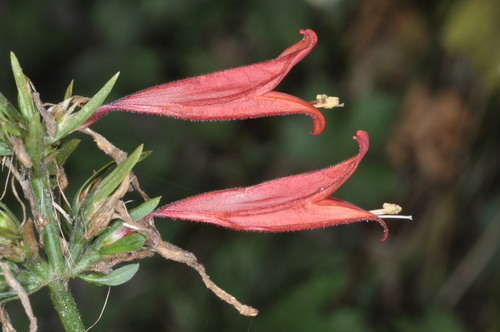
Same Genus (c) aacocucci, some rights reserved (CC BY), uploaded by aacocucci · cc-by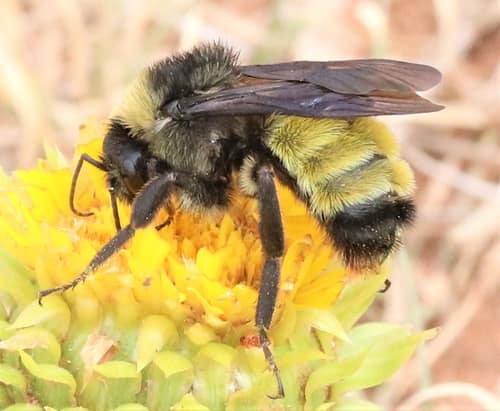
Pollinator (c) crseaquist, some rights reserved (CC BY), uploaded by crseaquist · cc-by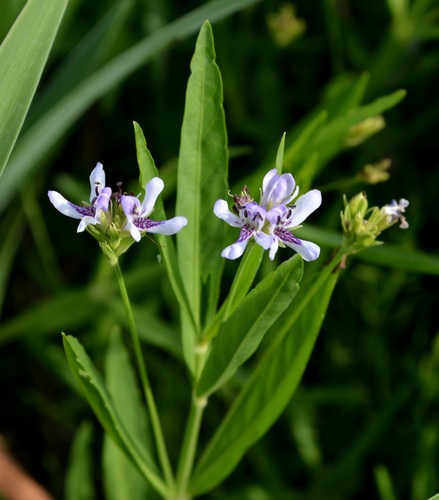
Same Family no rights reserved, uploaded by Evan Barker · cc0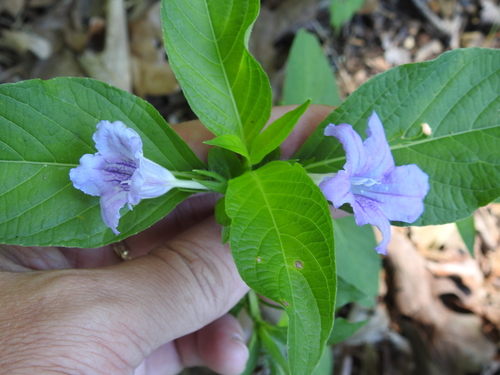
Same Family (c) Sam Kieschnick, some rights reserved (CC BY), uploaded by Sam Kieschnick · cc-by
Help improve the field guideSomething wrong?
Checking your Fauna account…Report a name, category, or profile issue for review.