
Flower
Pink Turtlehead
Chelone lyoniiAlso known as Lyon's Shell Flower, Appalachian Turtlehead
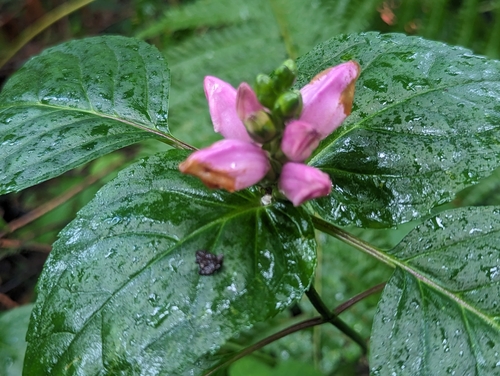
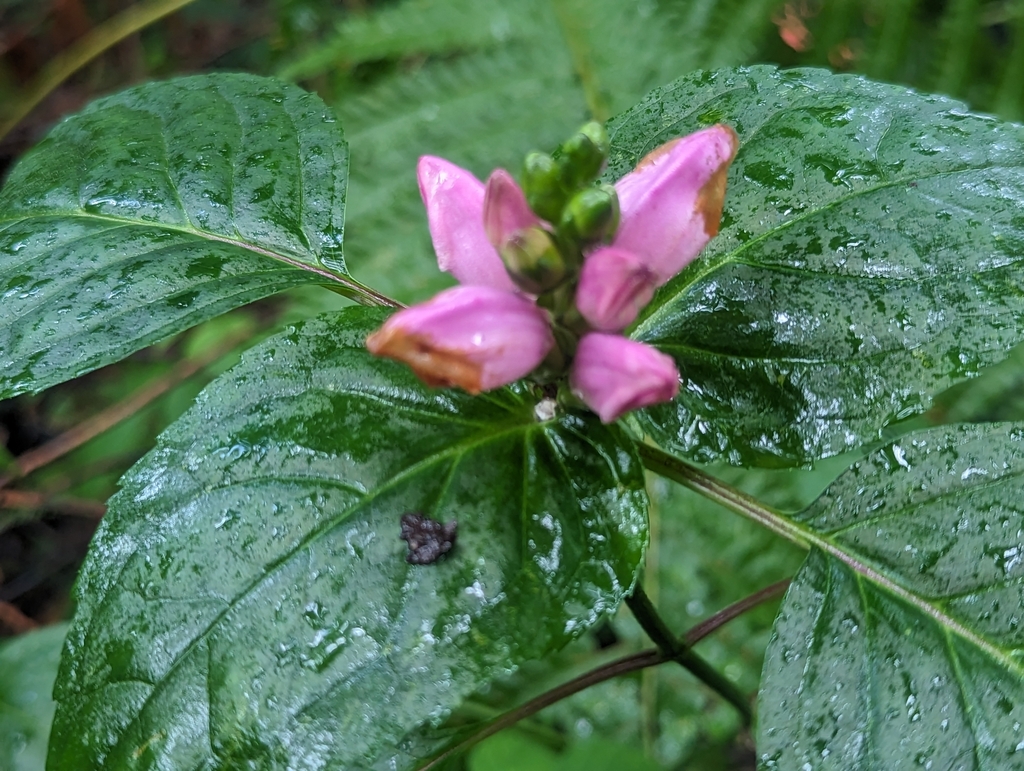
Pink turtlehead produces distinctive, hooded pink flowers that resemble the head of a turtle breaking the water's surface. These dense blossoms remain tightly closed to most insects, relying on robust bumblebees with the strength to muscle past the lower lip to pollinate them. Thriving in the soggy soils of southern Appalachian stream banks, it provides vital late-season nectar when many other woodland blooms have faded.
PerennialWildflowerPollinator Friendly
—observations
—countries
—peak records
Not EvaluatedConservation statusIUCN Red List categoriesLCNTVUENCREWEXNot Evaluated — not placed on the risk ladderRed List categories, explained →
Diet & preySunlight, Water, Soil Nutrients
Predators
- Baltimore Checkerspot Caterpillar
- Slugs
- Aphids
ThreatsWetland drainage, habitat destruction, and invasive plant competition
HabitatsStreambanks, seepage swamps, bogs, and moist mountain woods
Life spanPerennial (clump-forming, 10+ years)
Classification
- OrderLamiales
- FamilyPlantaginaceae
- GenusChelone
- SpeciesChelone lyonii
Range data is not available yet.
Interaction riskLow
- Low
- Moderate
- High
- Very high
- Why interaction risk is low
- Safe to observe at a normal distance.
Responsible observation
- Bloom Watching: Look for snapdragon-like pink blooms opening from late summer through early autumn.
- Pollinator Tracking: Watch bumblebees muscle their entire bodies inside the tightly sealed flowers.
- Habitat Clues: Search along damp woodland borders, stream banks, and seepages where soil remains wet.
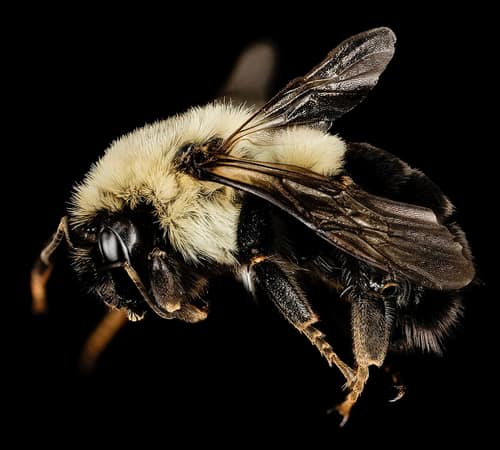
Pollinator USGS Bee Inventory and Monitoring Lab from Beltsville, Maryland, USA / Public domain · cc0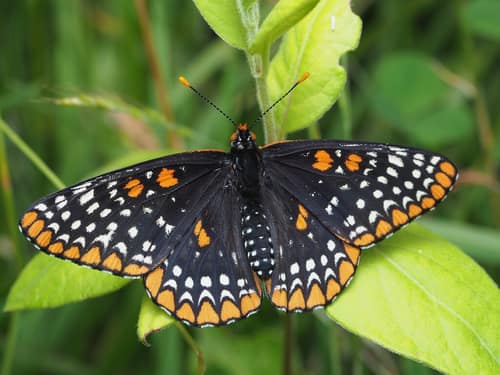
Host Plant no rights reserved · cc0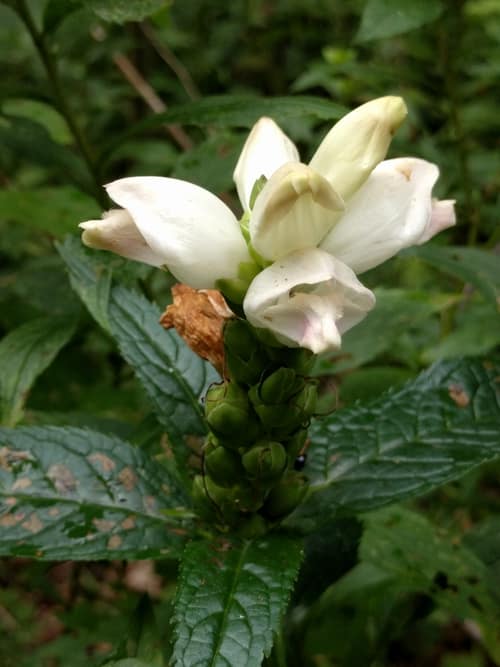
Close Relative (c) Ken-ichi Ueda, some rights reserved (CC BY), uploaded by Ken-ichi Ueda · cc-by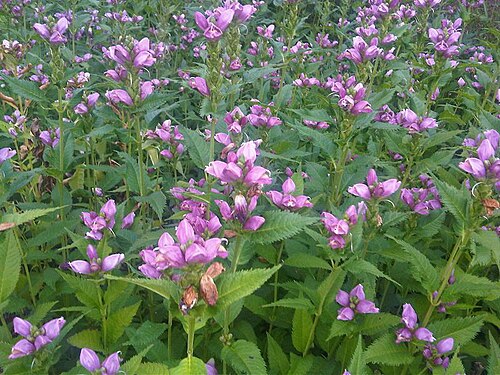
Close Relative Emőke Dénes / CC BY-SA 4.0 · cc-by-sa
Help improve the field guideSomething wrong?
Checking your Fauna account…Report a name, category, or profile issue for review.