
Plant
White Cheesewood
Alstonia scholarisAlso known as Blackboard Tree, Scholar Tree, Devil's Tree, Milkwood
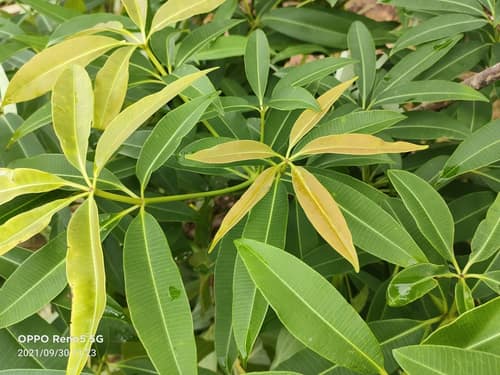
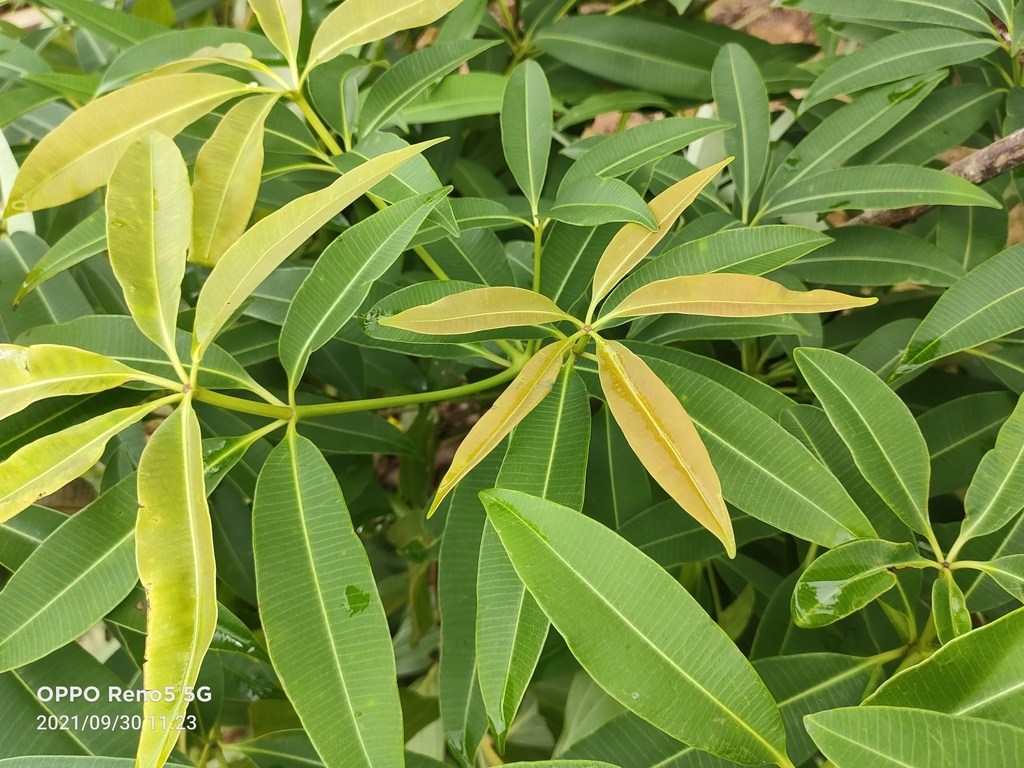
White cheesewood is a tall evergreen canopy tree instantly recognizable by its tiered, pagoda-like branching architecture and glossy, leathery leaves arranged in radiating whorls of four to eight. During late autumn, dense clusters of greenish-white blossoms open at night, filling the surrounding air with an intense, heady perfume that draws nocturnal moths and fruit bats. Its common name stems from the lightweight, pale wood historically carved into slates and chalkboards for schoolrooms across South and Southeast Asia.
EvergreenFragrantCanopy
—observations
—countries
—peak records
Least ConcernConservation statusIUCN Red List categoriesLCNTVUENCREWEXLeast ConcernRed List categories, explained →
Diet & preyAutotrophic (photosynthetic)
Predators
- Defoliating caterpillars
- Stem-boring beetles
ThreatsHabitat fragmentation, local timber overharvesting, and severe cyclone damage
HabitatsTropical rainforests, monsoon forests, disturbed woodlands, and urban parks
Life span60–100 years
Classification
- OrderGentianales
- FamilyApocynaceae
- GenusAlstonia
- SpeciesAlstonia scholaris
Range data is not available yet.
Interaction riskHigh
- Low
- Moderate
- High
- Very high
- Why interaction risk is high
- Latex contains toxic alkaloids and irritates skin; avoid broken stems and never ingest plant parts.
- Why it is dangerous
- Produces toxic indole alkaloids like echitamine throughout its tissue, causing severe stomach pain, vomiting, and cardiac distress if ingested.
- How to recognize a risky encounter
- Look for whorls of four to eight blunt-tipped leaves and copious milky sap that oozes readily when leaves or twigs break.
- What to do
- Observe the tree without breaking stems or foliage, and wash skin immediately if contact with sap occurs.
Responsible observation
- Flowering Season: Look for dense clusters of fragrant blossoms during late autumn evenings.
- Leaf Whorls: Count the leaves radiating from a single node to confirm its signature circular pattern.
- Latex Caution: Avoid snapping branches or picking leaves, as the milky sap can inflame skin and eyes.
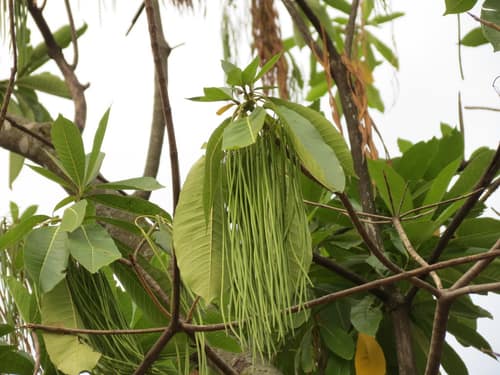
Close Relative no rights reserved, uploaded by Ajit Ampalakkad · cc0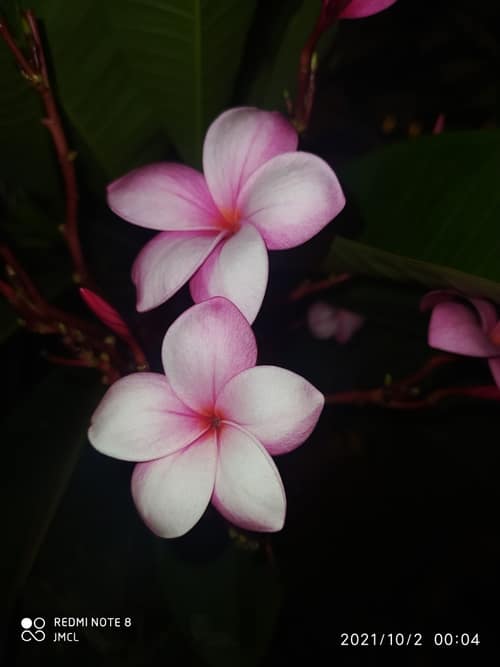
Family Relative (c) Cabanillas Lopez Jesus Miguel, some rights reserved (CC BY-SA), uploaded by Cabanillas Lopez Jesus Miguel · cc-by-sa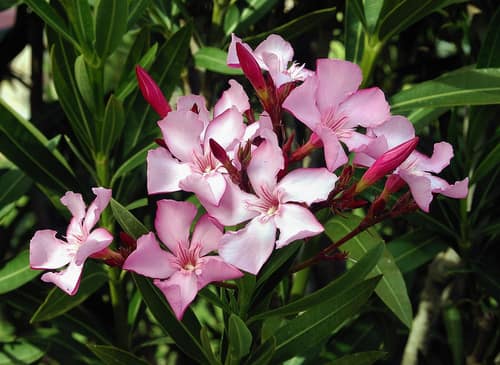
Family Relative Alvesgaspar / CC BY 2.5 · cc-by
Help improve the field guideSomething wrong?
Checking your Fauna account…Report a name, category, or profile issue for review.