Also known as Inkberry, Evergreen Winterberry, Appalachian Tea, Dye-Leaves
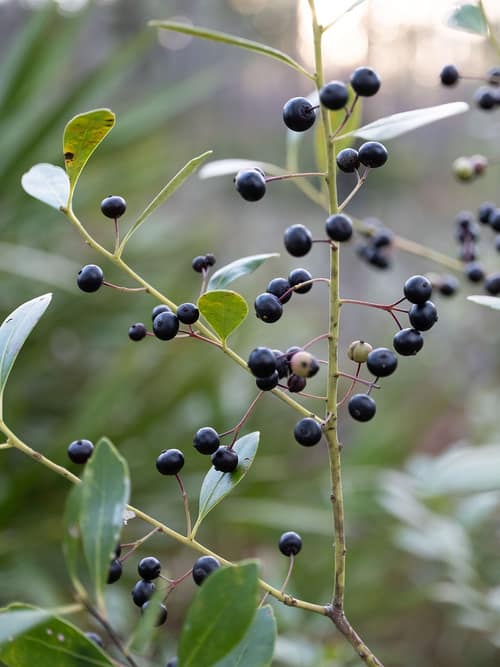
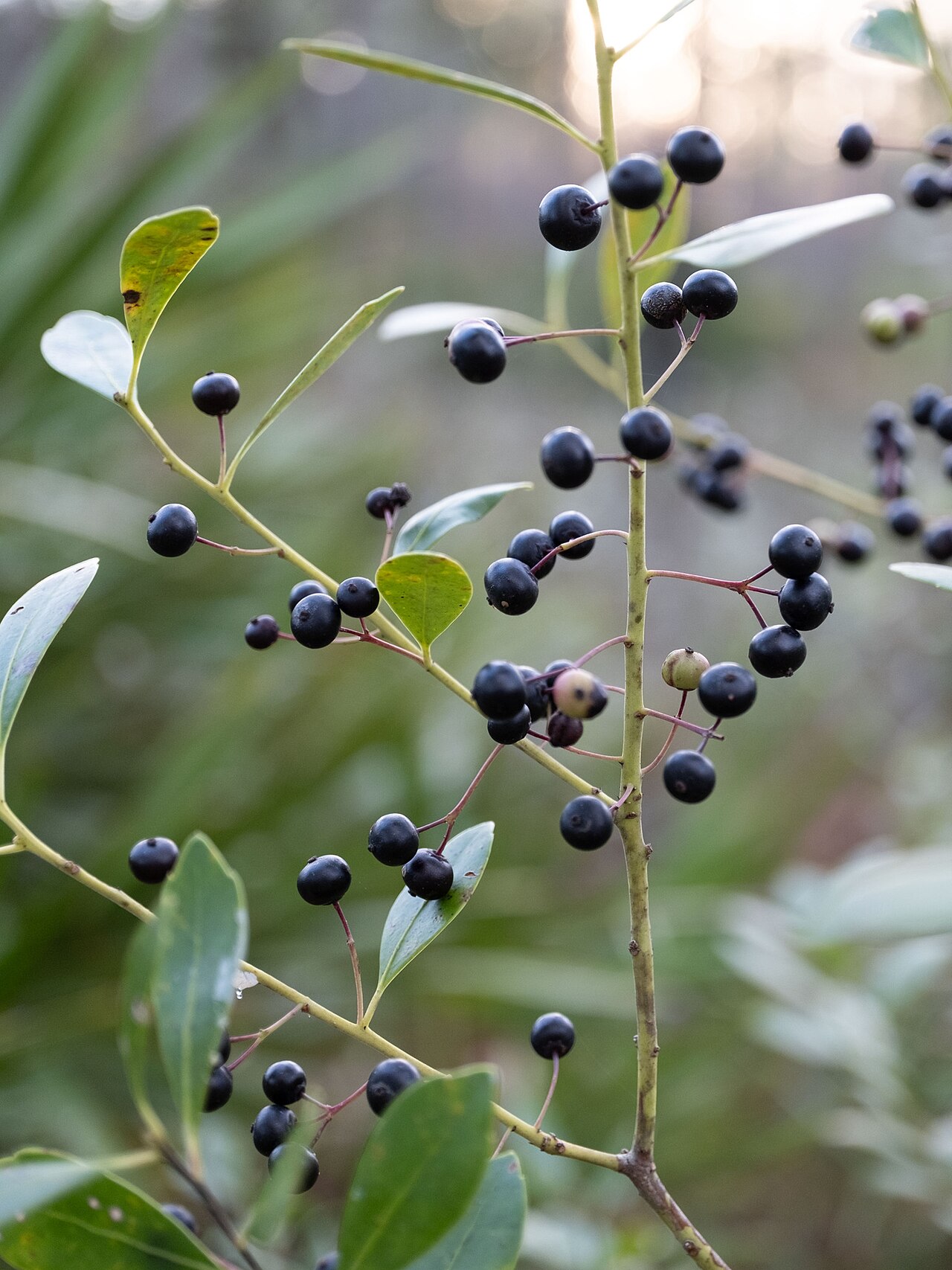
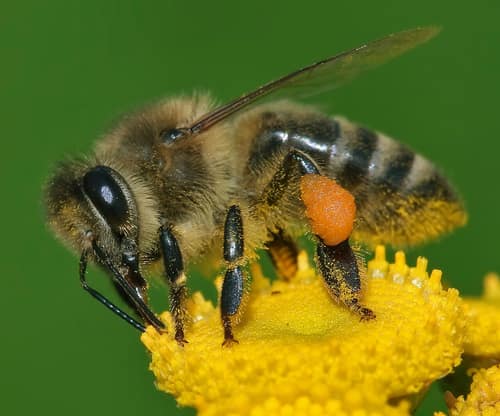
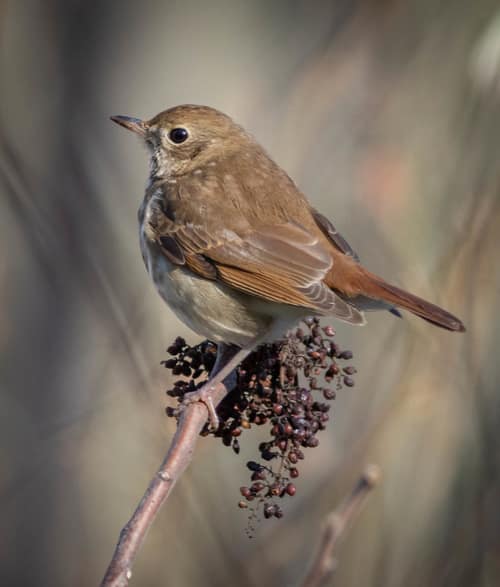
Gallberry forms extensive evergreen thickets through underground rhizomes across acidic bogs, wet pine flatwoods, and coastal pond margins. Small, greenish-white dioecious blossoms open in late spring, producing abundant nectar that serves as a cornerstone spring forage for native pollinators and honeybees. In autumn, female plants ripen lustrous, ink-black drupes that persist into late winter, sustaining thrushes, catbirds, and small mammals when other food is scarce.
ThreatsWetland drainage, development, and prolonged fire exclusion
HabitatsWet pine flatwoods, coastal plain bogs, baygalls, and sandy pond margins
Life span20–50 years
Size / weightNot available
Classification
OrderAquifoliales
FamilyAquifoliaceae
GenusIlex
SpeciesIlex glabra
Range & activity
Range data is not available yet.
Safe observation
Interaction riskHigh
Low
Moderate
High
Very high
Why interaction risk is high
Berries are toxic to humans and pets, with toxic look-alikes; never eat wild berries.
Why it is dangerous
Leaves and berries contain triterpene saponins that cause severe gastrointestinal distress, vomiting, diarrhea, and depression in humans, cats, and dogs.
How to recognize a risky encounter
Look for glossy, spineless evergreen leaves with subtle teeth clustered only near the tip, accompanied by jet-black rounded drupes on female plants.
What to do
Leave wild plants undisturbed, and prevent children and pets from foraging or ingesting any part of the shrub.
Responsible observation
Garden Placement: Position in moist, acidic soil in full sun to partial shade for the densest foliage.
Fruit Production: Plant both male and female shrubs in close proximity to ensure autumn berry set.
Wildlife Watching: Inspect flowering stands in late spring to view dense aggregations of foraging native bees.