
Plant · GBIF taxon 5414248
American Holly
Ilex opacaAlso known as White Holly, Prickly Holly
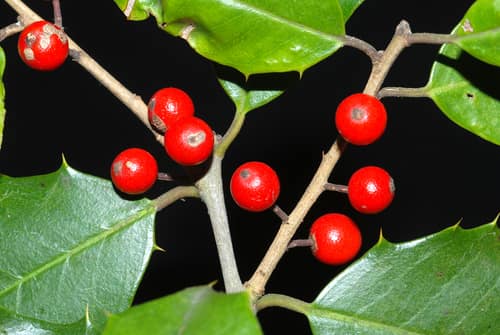
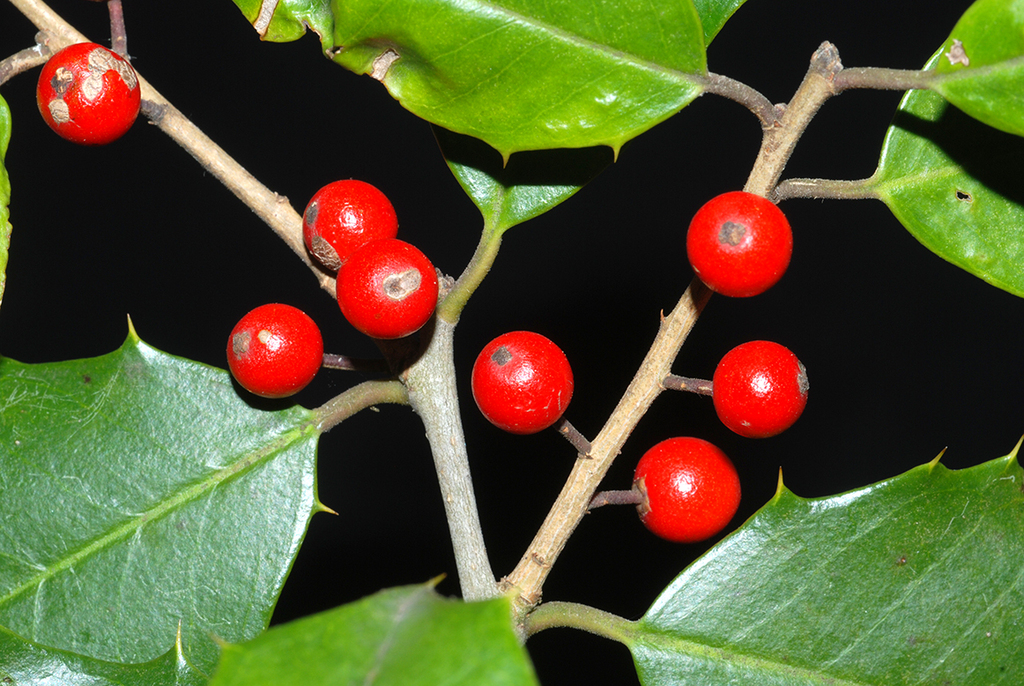
American holly stands out in winter forests with its dull matte-green evergreen leaves and brilliant red winter drupes. As a slow-growing dioecious tree, female individuals rely on nearby male trees and native bees for pollination before setting fruit. Cedar waxwings, mockingbirds, and wild turkeys consume the berries in late winter, effectively dispersing seeds across understory woodlands.
EvergreenBerriesTree
 1 / 7
1 / 7—observations
—countries
—peak records
Least ConcernConservation statusIUCN Red List categoriesLCNTVUENCREWEXLeast ConcernRed List categories, explained →
Diet & prey
- Sunlight
- Water
- Soil Nutrients
Predators
- White-tailed Deer
- Holly Leaf Miner
ThreatsHabitat clearing, over-harvesting of wild branches for holiday decor
HabitatsMaritime forests, floodplain bottomlands, well-drained upland woods
Life span100–500 years
Size / weightNot available
Classification
- OrderAquifoliales
- FamilyAquifoliaceae
- GenusIlex
- SpeciesIlex opaca
Range data is not available yet.
Interaction riskHigh
- Low
- Moderate
- High
- Very high
- Why interaction risk is high
- Berries are toxic to humans and pets if ingested, and wild berries have toxic look-alikes.
- Why it is dangerous
- Berries contain toxic saponins that cause severe gastrointestinal distress, vomiting, and drowsiness if ingested.
- How to recognize a risky encounter
- Identified by stiff, dull green evergreen leaves with sharp spiny margins and bright red winter drupes.
- What to do
- Keep berries out of reach of children and pets, and wear gardening gloves to avoid leaf spines.
Responsible observation
- Winter Spotting: Look for dark green canopy leaves and red berries standing out against bare deciduous woods in late autumn.
- Litter Awareness: Watch your step near older trees, as fallen spiny leaves take years to decay and easily puncture thin shoes.
- Gender Identification: Inspect spring blossoms with a hand lens to distinguish male pollen trees from berry-producing female trees.
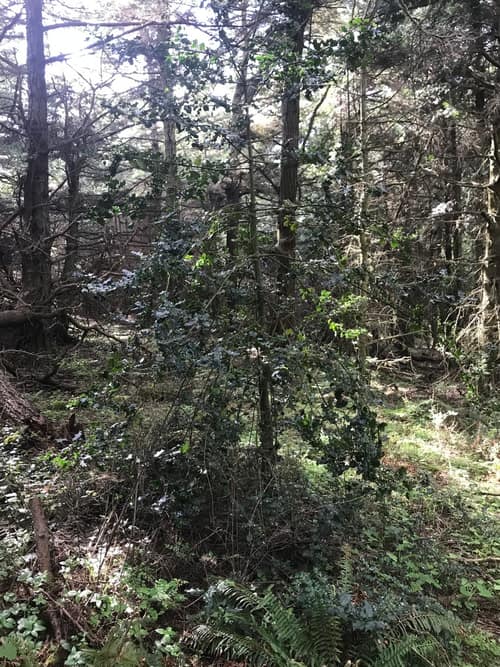
Exotic Counterpart no rights reserved · cc0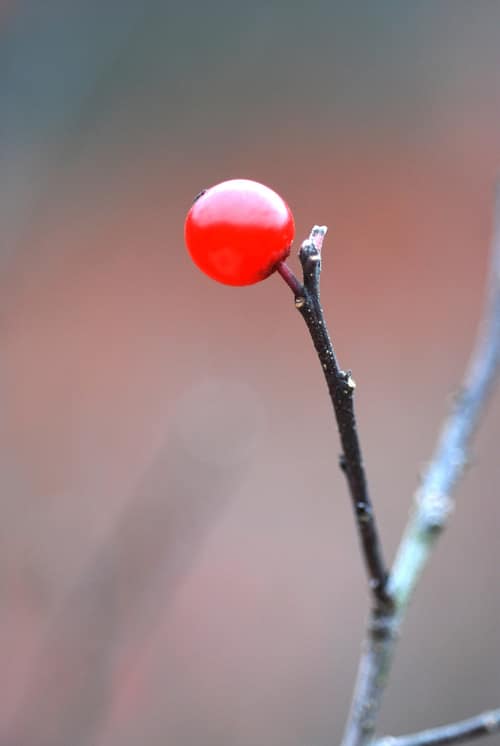
Deciduous Relative (c) Douglas Goldman, some rights reserved (CC BY-SA), uploaded by Douglas Goldman · cc-by-sa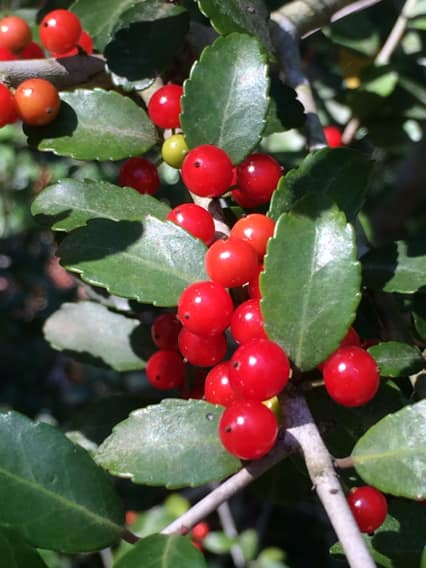
Caffeine-Bearing Relative (c) Laura Clark, some rights reserved (CC BY), uploaded by Laura Clark · cc-by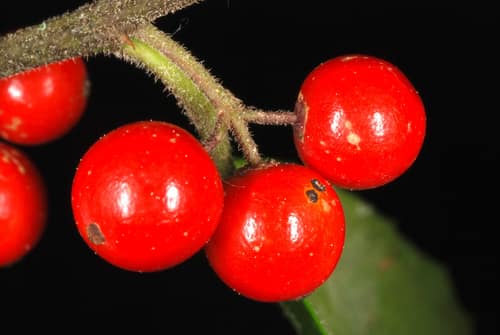
Wetland Relative (c) Douglas Goldman, some rights reserved (CC BY-SA) · cc-by-sa
Help improve the field guideSomething wrong?
Checking your Fauna account…Report a name, category, or profile issue for review.