Also known as Puke Weed, Gagroot, Vomitwort, Bladderpod Lobelia
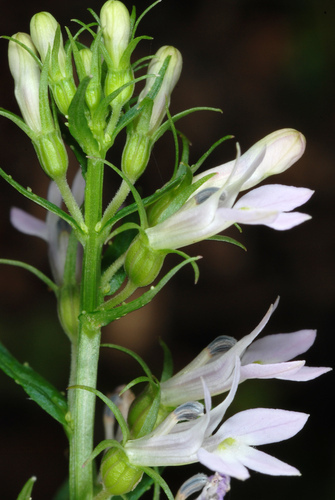
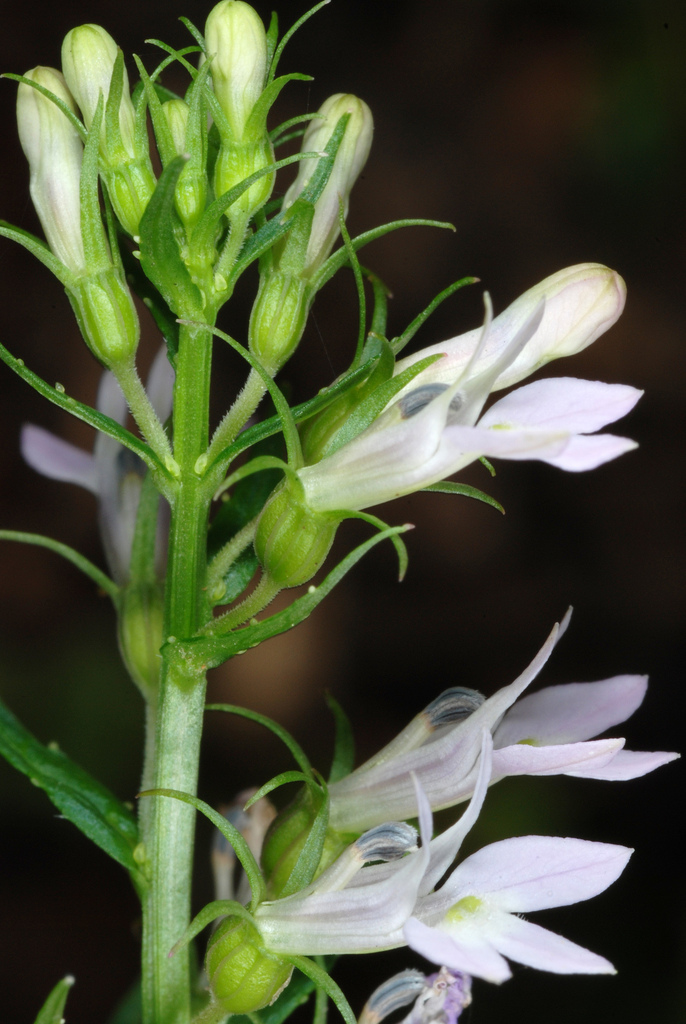
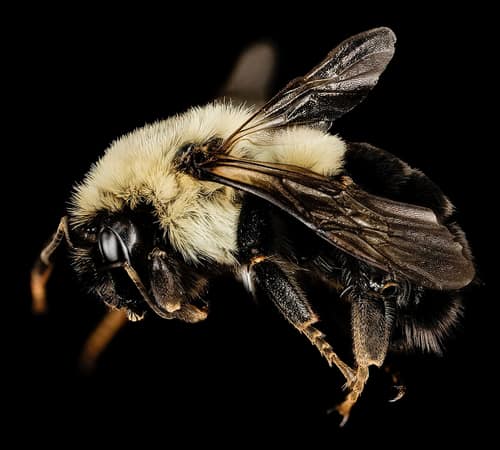
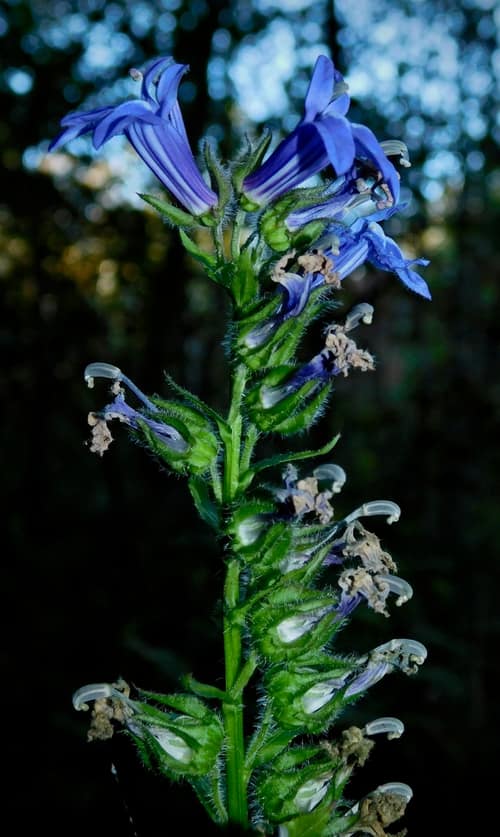
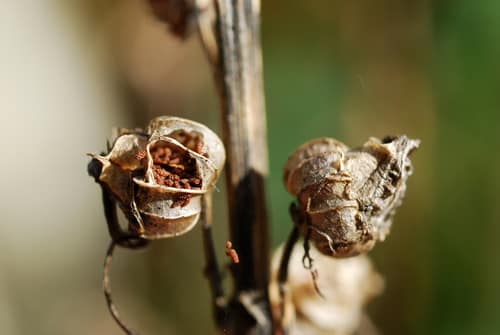
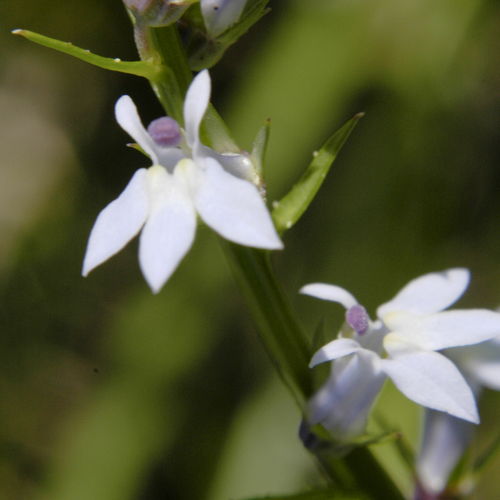
Indian tobacco packs potent piperidine alkaloids into a modest, hairy-stemmed wildflower native to eastern North America. Small, two-lipped pale blue or violet blooms open along branching stems from midsummer into autumn, soon swelling into the papery, inflated seed capsules that give the plant its scientific name. Bees and small flies visit the blossoms for nectar, while the acrid milky sap deters most browsing herbivores.
ThreatsHerbicide spraying, frequent mowing, and habitat conversion
HabitatsOpen woods, meadows, pastures, roadsides, and disturbed ground
Life span1–2 years (annual or biennial)
Classification
OrderAsterales
FamilyCampanulaceae
GenusLobelia
SpeciesLobelia inflata
Range & activity
Range data is not available yet.
Safe observation
Interaction riskHigh
Low
Moderate
High
Very high
Why interaction risk is high
Contains toxic alkaloids like lobeline; never ingest any part of the plant and keep away from pets.
Why it is dangerous
All parts contain lobeline and related piperidine alkaloids that overstimulate and then block nicotinic receptors, causing severe vomiting, sweating, tremors, rapid heartbeat, and respiratory failure.
How to recognize a risky encounter
Look for a hairy, branching stem exuding milky sap when broken, alternate toothed leaves, tiny pale violet-blue two-lipped flowers, and distinctive balloon-like ribbed seed pods.
What to do
Observe and photograph without picking; wash hands thoroughly if milky sap contacts skin, and keep children and pets from chewing the stems or pods.
Responsible observation
Pod Check: Look just below the upper flowers in late summer to see the signature inflated green capsules.
Hands Off: Avoid snapping the stems, as the acrid milky sap can irritate eyes and skin.
Habitat Clue: Search sunny, recently disturbed soil along trail edges and old pastures rather than deep forest.