
Plant · GBIF taxon 5406695
African Baobab
Adansonia digitataAlso known as Monkey-bread Tree, Upside-down Tree, Cream of Tartar Tree
African baobabs dominate arid savannas with immense, water-storing trunks and gnarled branches that resemble roots reaching toward the sky. Nocturnal flowers open at twilight for a single night, relying on fruit bats and hawk moths for pollination. These majestic pachycauls act as vital ecological hubs, providing shelter, moisture, and nesting sites for hundreds of animal species.
SucculentIconicDeciduous
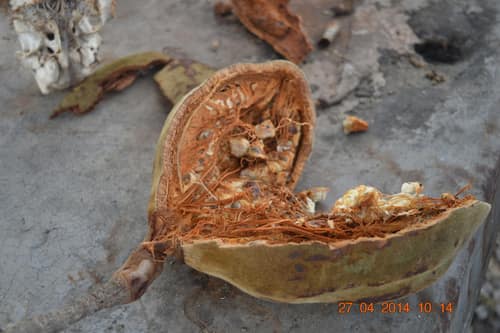
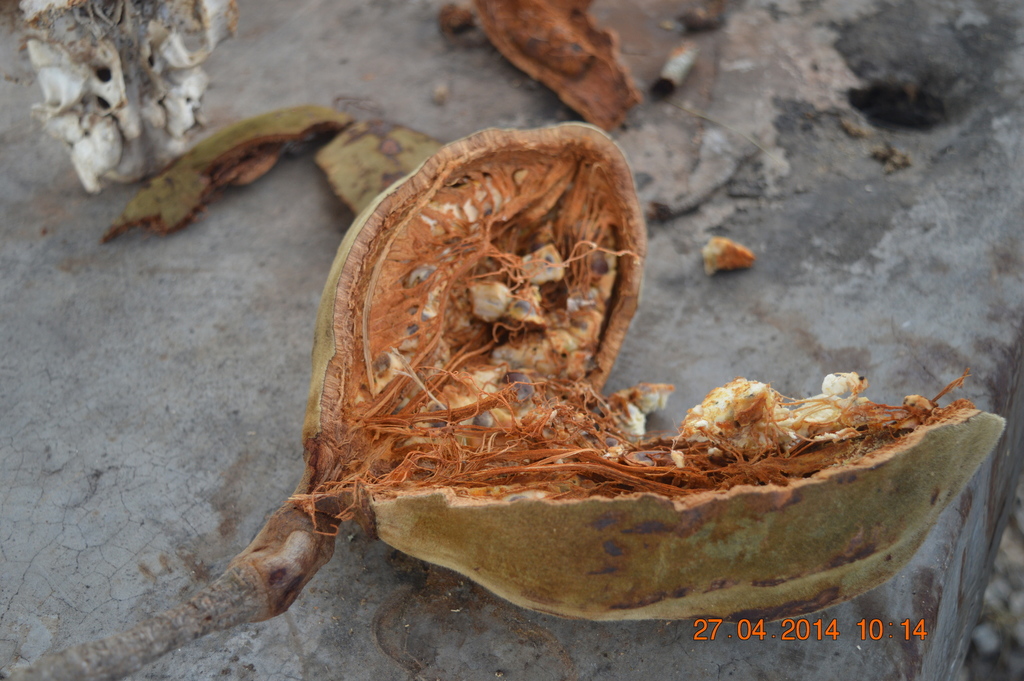 1 / 7
1 / 7—observations
—countries
—peak records
Not EvaluatedConservation statusIUCN Red List categoriesLCNTVUENCREWEXNot Evaluated — not placed on the risk ladderRed List categories, explained →
Diet & prey
- Photosynthetic
Predators
- African Elephant
- Chacma Baboon
- Epauletted Fruit Bat
ThreatsClimate change, prolonged drought, land conversion
HabitatsDry savannas, arid woodlands, scrublands
Life span1,000–2,000+ years
Size / weightNot available
Classification
- OrderMalvales
- FamilyMalvaceae
- GenusAdansonia
- SpeciesAdansonia digitata
Range data is not available yet.
Interaction riskLow
- Low
- Moderate
- High
- Very high
- Why interaction risk is low
- Wild fruits have toxic look-alikes; never eat wild produce based on app identification alone.
- What to notice
- Look for swollen trunks with grey fibrous bark and palmate leaves during wet seasons.
- Support conservation
- Keep distance from trunk bases and avoid soil compaction around active root systems.
Responsible observation
- Observation Distance: Give ancient trees plenty of room around their root zones to avoid soil compaction.
- Nighttime Spotting: Scan blooming branches at twilight to catch nocturnal pollinators like fruit bats in action.
- Bark Protection: Avoid carving into or climbing vulnerable trunks, which can expose inner tissues to infection.
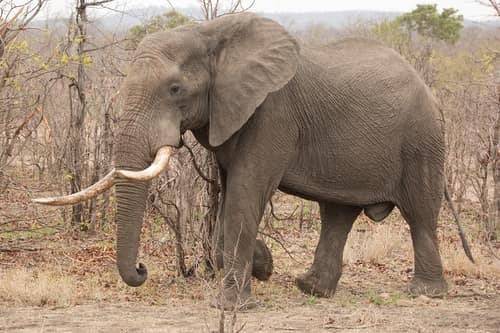
Herbivore (c) dhfischer, some rights reserved (CC BY), uploaded by dhfischer · cc-by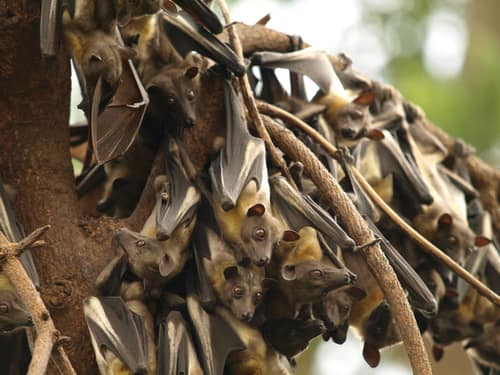
Pollinator (c) Konrad Bidziński, some rights reserved (CC BY-SA) · cc-by-sa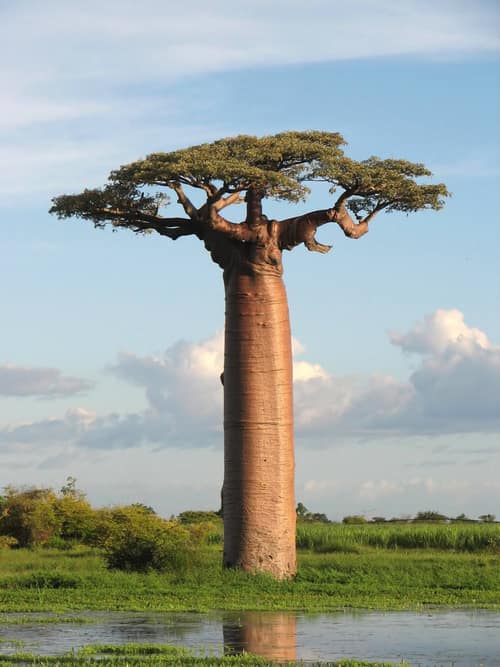
Close Relative (c) Bernard Gagnon, some rights reserved (CC BY-SA) · cc-by-sa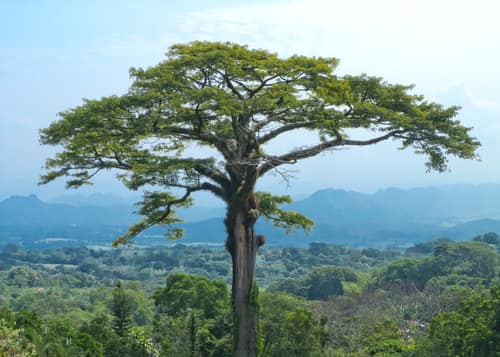
Family Relative no rights reserved, uploaded by Manuel Ortiz · cc0
Help improve the field guideSomething wrong?
Checking your Fauna account…Report a name, category, or profile issue for review.