
Plant
Common Sneezeweed
Helenium autumnaleAlso known as Large-flowered Sneezeweed, Autumn Sneezeweed, False Sunflower
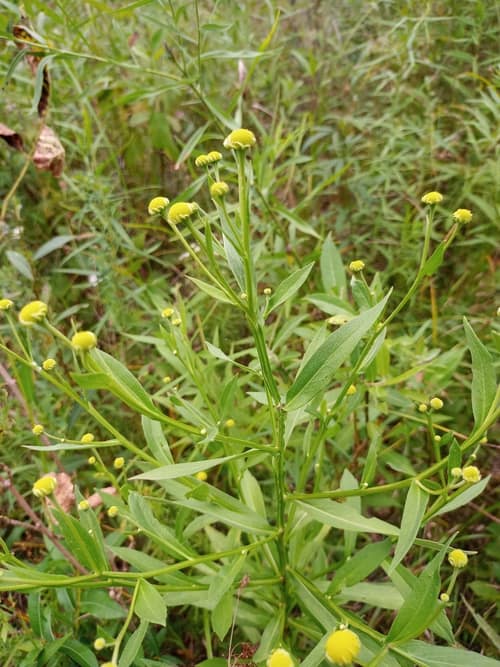
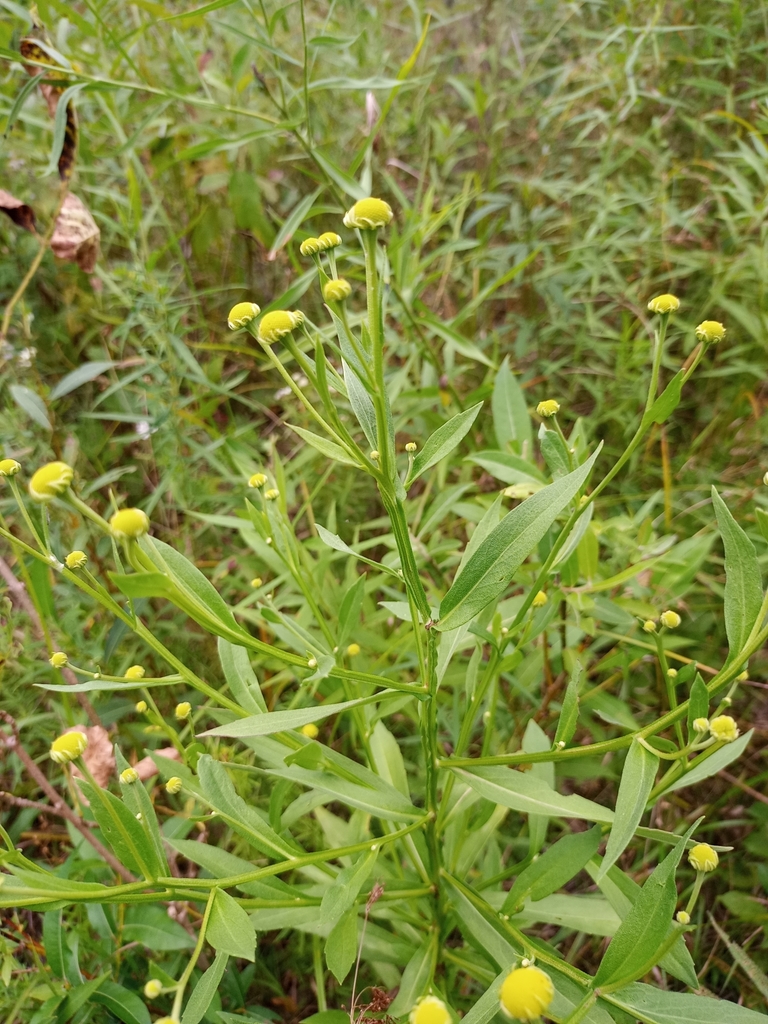
Common sneezeweed brightens North American wetlands in late summer and autumn with dense displays of wedge-shaped, three-toothed yellow petals surrounding a spherical central disk. Indigenous peoples historically dried the leaves and flower heads into a powder used to induce sneezing and clear nasal passages, giving the plant its distinctive common name. Despite its association with allergy season, its heavy pollen relies on insect pollinators rather than wind dispersal.
FloweringLate-bloomerPollinator-magnet
—observations
—countries
—peak records
Least ConcernConservation statusIUCN Red List categoriesLCNTVUENCREWEXLeast ConcernRed List categories, explained →
Diet & preySunlight, Water, Soil Nutrients
Predators
- Mammalian Herbivores
- Aphids
- Grasshoppers
ThreatsHabitat loss, wetland drainage, invasive weed competition
HabitatsWet meadows, stream banks, marshes, floodplains, wet prairies
Life spanPerennial (5–10 years)
Classification
- OrderAsterales
- FamilyAsteraceae
- GenusHelenium
- SpeciesHelenium autumnale
Range data is not available yet.
Interaction riskHigh
- Low
- Moderate
- High
- Very high
- Why interaction risk is high
- Contains toxic lactones harmful to livestock and humans if ingested; observe safely without harvesting.
- Why it is dangerous
- Contains toxic sesquiterpene lactones such as helenalin, causing severe gastrointestinal irritation and heart weakness if ingested.
- How to recognize a risky encounter
- Recognized by wedge-shaped yellow ray flowers with notched tips attached below a distinctly raised, ball-like center.
- What to do
- Do not consume any part of the plant, and keep grazing pets or farm animals away from wild stands.
Responsible observation
- Habitat Spotting: Search along sunny stream banks, ditch edges, and damp meadows during late summer.
- Pollinator Watching: Look for native bees and butterflies gathering nectar on warm afternoons.
- Garden Cultivation: Provide full sun and rich, consistently moist soil to encourage sturdy stems.
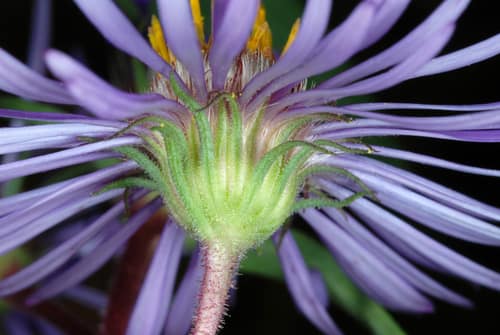
Frequent Companion (c) Douglas Goldman, some rights reserved (CC BY-SA), uploaded by Douglas Goldman · cc-by-sa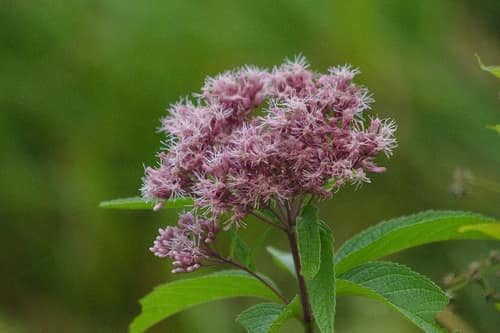
Frequent Companion no rights reserved, uploaded by Étienne Lacroix-Carignan · cc0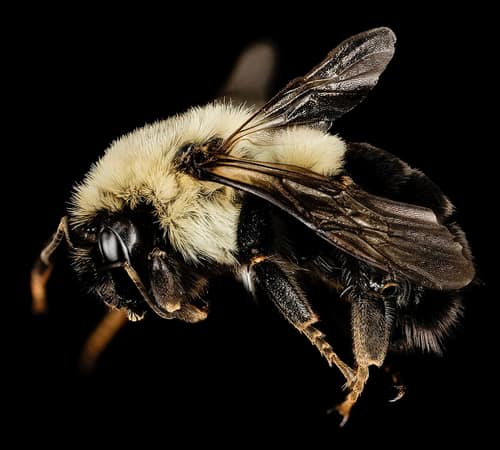
Pollinator USGS Bee Inventory and Monitoring Lab from Beltsville, Maryland, USA / Public domain · cc0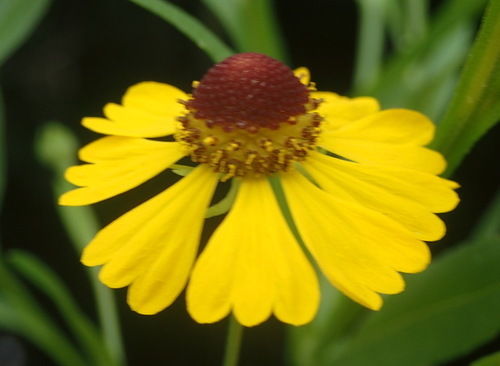
Close Relative (c) mfeaver, some rights reserved (CC BY), uploaded by mfeaver · cc-by
Help improve the field guideSomething wrong?
Checking your Fauna account…Report a name, category, or profile issue for review.