
Plant
Crofton Weed
Ageratina adenophoraAlso known as Mexican Devil, Sticky Snakeroot, Catweed
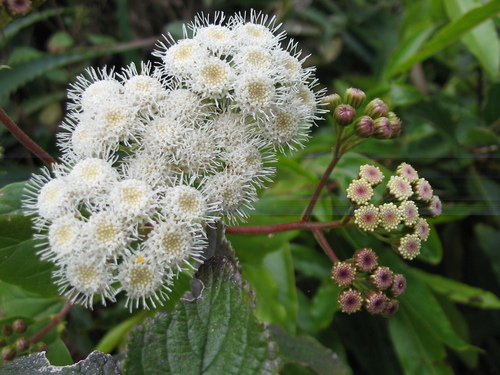
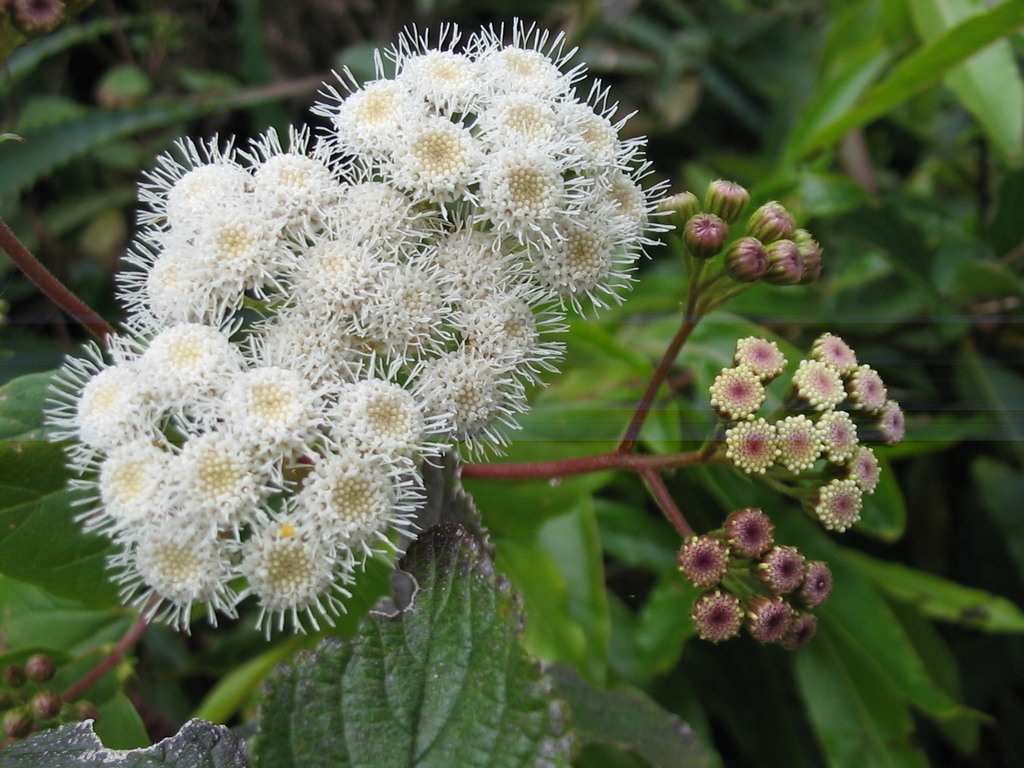
Crofton weed is a fast-growing perennial shrub native to Mexico that forms dense thickets up to two meters tall along roadsides, creek banks, and disturbed pastures. In spring and early summer, its purplish stems erupt with clusters of fluffy white flower heads that release thousands of wind-borne seeds. Originally spread worldwide as a garden ornamental, it now crowds out native bushland flora and poisons grazing horses with a severe lung condition called Numinbah horse sickness.
InvasiveFloweringToxic
—observations
—countries
—peak records
Not EvaluatedConservation statusIUCN Red List categoriesLCNTVUENCREWEXNot Evaluated — not placed on the risk ladderRed List categories, explained →
Diet & preySunlight, Water, Soil nutrients
Predators
- Crofton weed gall fly
- Leaf-feeding beetles
- Fungal rusts
ThreatsBiological control agents, mechanical clearing, and herbicide management outside native Mexico.
HabitatsDisturbed roadsides, pastures, creek banks, forest edges, and bushland.
Life spanPerennial (several years).
Classification
- OrderAsterales
- FamilyAsteraceae
- GenusAgeratina
- SpeciesAgeratina adenophora
Range data is not available yet.
Interaction riskHigh
- Low
- Moderate
- High
- Very high
- Why interaction risk is high
- Toxic to horses and livestock if ingested, causing severe lung disease; keep grazing animals away.
- Why it is dangerous
- Contains the sesquiterpene toxin euptox A, which triggers fatal pulmonary edema and fibrosis in horses (Numinbah horse sickness).
- How to recognize a risky encounter
- Look for opposite, diamond-toothed leaves on purplish-red stems topped by dense clusters of small, fluffy white flower heads in spring.
- What to do
- Wear gloves if pulling plants by hand, and never allow horses or other livestock to graze in infested pastures.
Responsible observation
- Pasture Safety: Keep horses out of infested paddocks, as grazing can cause fatal lung damage.
- Identification: Check for purplish, sticky-haired stems and triangular leaves with coarsely toothed margins.
- Weed Control: Remove small infestations before spring flowering to prevent thousands of wind-borne seeds from spreading.
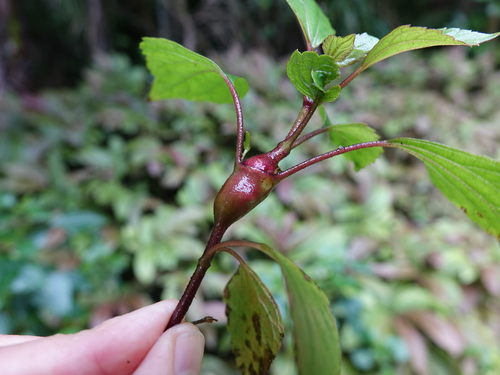
Parasite (c) Jacqui Geux, some rights reserved (CC BY), uploaded by Jacqui Geux · cc-by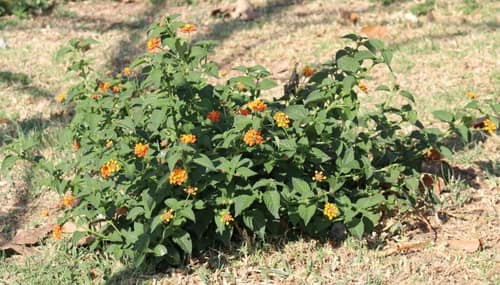
Competitor no rights reserved, uploaded by Dave Brown · cc0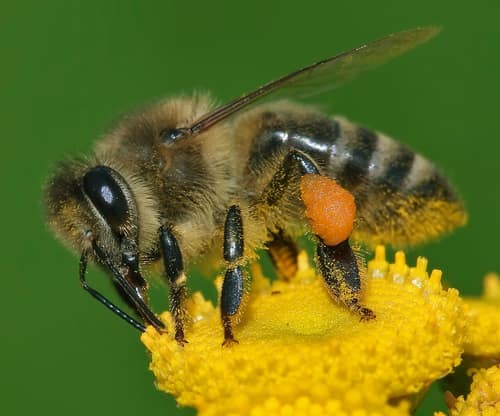
Pollinator Andreas Trepte / CC BY-SA 2.5 · cc-by-sa Image unavailable
Close Relative 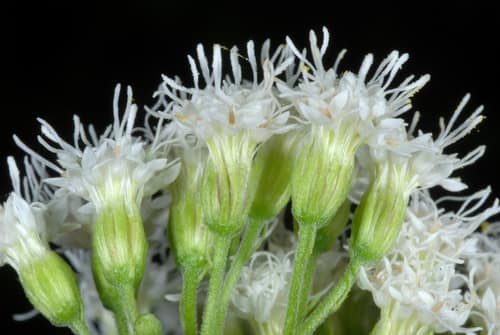
Close Relative (c) Douglas Goldman, some rights reserved (CC BY-SA), uploaded by Douglas Goldman · cc-by-sa
Help improve the field guideSomething wrong?
Checking your Fauna account…Report a name, category, or profile issue for review.