
Plant · GBIF taxon 2925303
Common Lantana
Lantana camaraAlso known as Wild Sage, Yellow Sage, Shrub Verbena, Red Sage
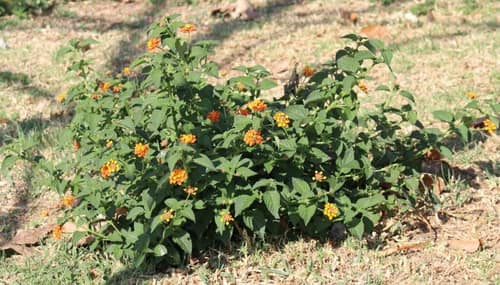
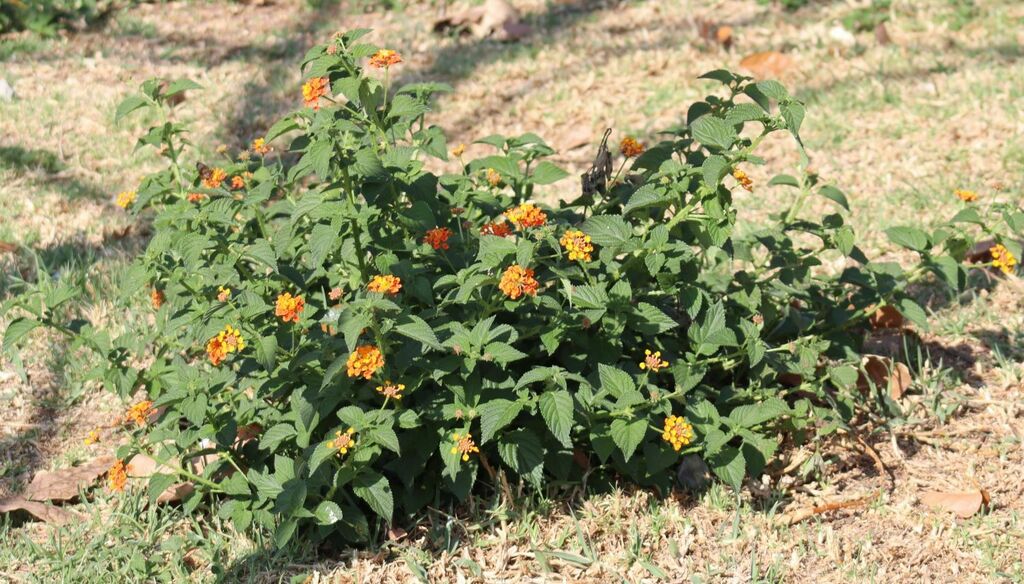
Common lantana forms dense, aromatic thickets crowned with flat-topped clusters of tiny flowers that shift color from yellow to orange and red as they age. Butterflies and bees flock to the nectar-rich blooms, unwittingly helping disperse a plant that easily displaces native understory vegetation. The rough leaves emit a strong, pungent odor when crushed and contain toxic compounds that deter grazing mammals.
FloweringInvasiveToxic
—observations
—countries
—peak records
Not EvaluatedConservation statusIUCN Red List categoriesLCNTVUENCREWEXNot Evaluated — not placed on the risk ladderRed List categories, explained →
Diet & prey
- Photosynthetic
Predators
- Lantana Lace Bug
- Lantana Seed Fly
ThreatsHerbicides, biological control insects, physical removal
HabitatsTropical forest margins, pastures, roadsides, disturbed land
Life spanPerennial (up to 20 years)
Size / weightNot available
Classification
- OrderLamiales
- FamilyVerbenaceae
- GenusLantana
- SpeciesLantana camara
Range data is not available yet.
Interaction riskHigh
- Low
- Moderate
- High
- Very high
- Why interaction risk is high
- Leaves and unripe berries are toxic to humans and pets; contact may irritate sensitive skin.
- Why it is dangerous
- Contains triterpenoid toxins such as lantadene A, which cause liver damage and photosensitization in livestock, pets, and children if ingested.
- How to recognize a risky encounter
- Look for square stems with recurved prickles and aromatic, sandpaper-textured leaves paired with vibrant multicolored flower clusters.
- What to do
- Wear gloves when pruning to avoid contact dermatitis, and prevent children or pets from chewing any plant parts.
Responsible observation
- Gardening: Cultivate sterile, non-invasive hybrids to avoid spreading seeds into natural habitats.
- Observation: Watch the flower heads closely to spot tiny color changes signaling nectar availability.
- Pruning: Wear long sleeves and protective gloves to shield skin from prickly stems and irritating sap.
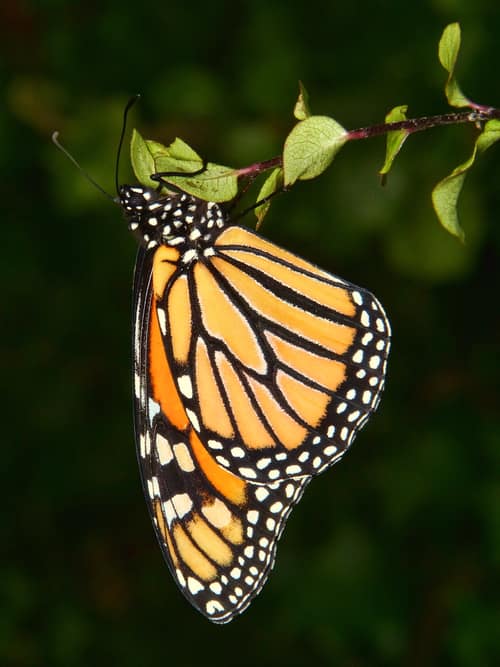
Pollinator Sid Mosdell from New Zealand / CC BY 2.0 · cc-by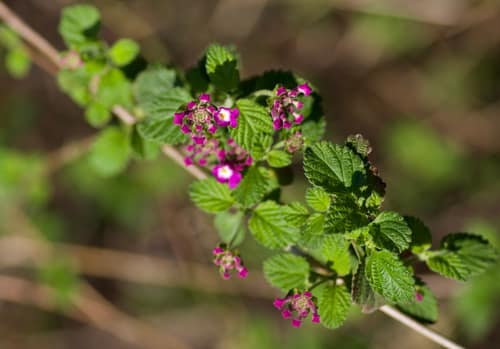
Close Relative (c) Michelle W. (鍾偉瑋), some rights reserved (CC BY), uploaded by Michelle W. (鍾偉瑋) · cc-by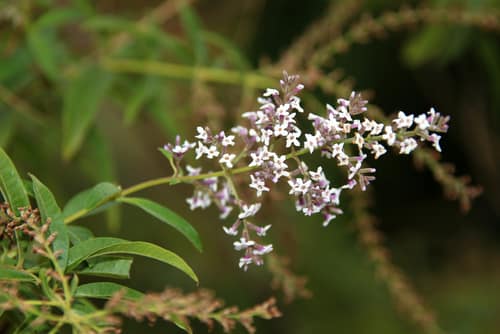
Family Member (c) M a n u e l, some rights reserved (CC BY-SA) · cc-by-sa
Help improve the field guideSomething wrong?
Checking your Fauna account…Report a name, category, or profile issue for review.