
Plant · GBIF taxon 5385067
Broom Snakeweed
Gutierrezia sarothraeAlso known as Broomweed, Snakeweed, Matchweed, Kindlingweed
Broom snakeweed forms dense, rounded tufts of erect green stems topped with clusters of tiny, brilliant yellow flower heads each late summer. Native across western North America, this resilient subshrub thrives in dry, gravelly soils and rapidly colonizes rangelands disturbed by fire or heavy grazing. Indigenous peoples historically used its resinous stems for sweeping and kindling, as well as in traditional herbal remedies.
Drought TolerantYellow FlowersToxic to Livestock
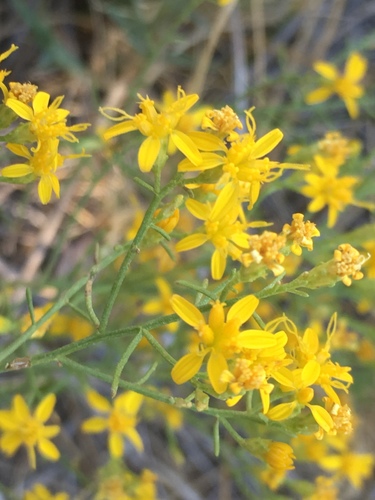
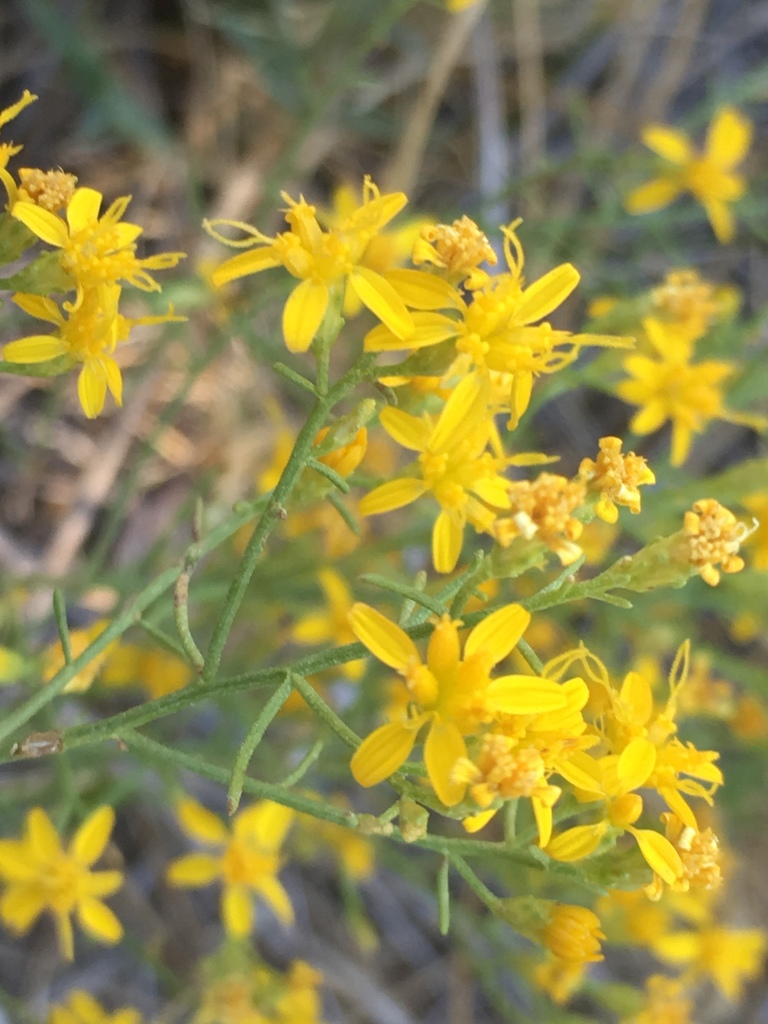 1 / 7
1 / 7—observations
—countries
—peak records
Not EvaluatedConservation statusIUCN Red List categoriesLCNTVUENCREWEXNot Evaluated — not placed on the risk ladderRed List categories, explained →
Diet & prey
- Autotrophic (Photosynthesis)
Predators
- Grasshoppers
- Snakeweed Root Borer Beetle
- Scale Insects
ThreatsOvergrazing management, herbicidal control programs
HabitatsArid rangelands, desert scrub, dry grasslands, and open pinyon-juniper woodlands
Life span5–20 years
Classification
- FamilyAsteraceae
- SpeciesGutierrezia sarothrae
Range data is not available yet.
Interaction riskHigh
- Low
- Moderate
- High
- Very high
- Why interaction risk is high
- Toxic to livestock due to saponins and resins; keep grazing animals away from dense stands.
- Why it is dangerous
- Contains toxic saponins and resins that cause severe weakness, liver damage, and abortions in cattle and sheep.
- How to recognize a risky encounter
- Recognized by its low, broom-like growth form, sticky resinous stems, and small yellow aster flowers.
- What to do
- Do not allow livestock to feed on heavily infested pastures, especially during winter or poor forage seasons.
Responsible observation
- Identification: Look for yellow, sticky flower heads on broom-like stems in late summer.
- Rangeland Health: High density often indicates past overgrazing or recent soil disturbance.
- Observing Wildlife: Watch the blooms in autumn for native bees and small butterflies seeking nectar.
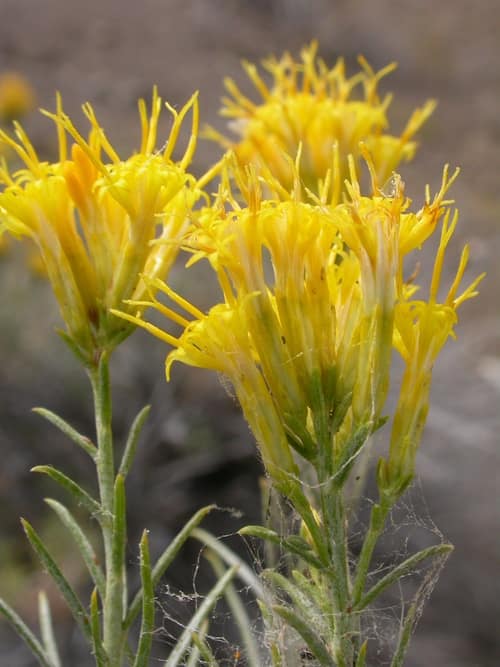
Co-occurring Shrub (c) Matt Lavin, some rights reserved (CC BY-SA) · cc-by-sa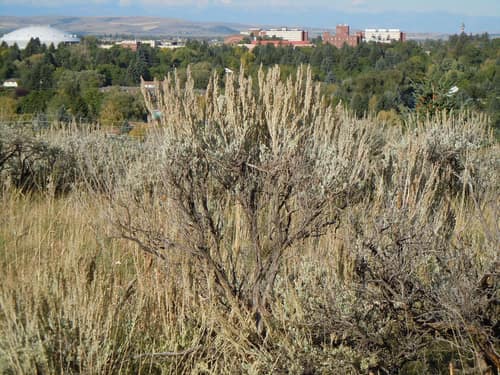
Habitat Companion (c) Matt Lavin, some rights reserved (CC BY) · cc-by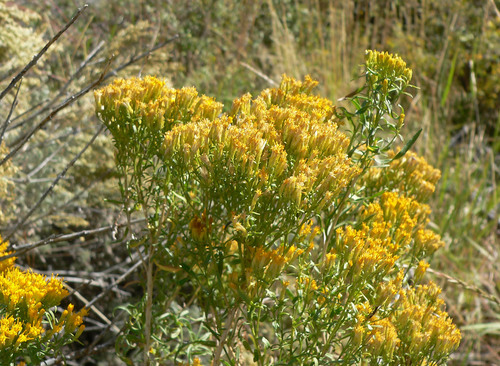
Competitor (c) Stan Shebs, some rights reserved (CC BY-SA) · cc-by-sa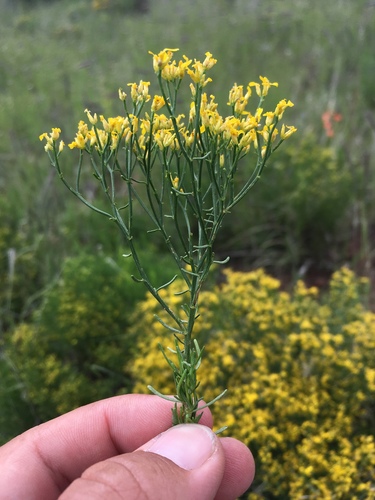
Close Relative no rights reserved, uploaded by Cecelia Alexander · cc0
Help improve the field guideSomething wrong?
Checking your Fauna account…Report a name, category, or profile issue for review.