
Plant · GBIF taxon 3103017
Rubber Rabbitbrush
Ericameria nauseosaAlso known as Chamisa, Gray Rabbitbrush
Rubber rabbitbrush lights up arid western landscapes late in the season, producing dense golden-yellow flower clusters when most other native flora has gone dormant. Its silver-grey foliage is coated in fine hairs that trap moisture and deter thirsty herbivores in harsh desert environments. The plant produces natural latex within its tissues, making it a resilient native shrub and a crucial late-fall nectar station for migrating insects.
ShrubDesert NativeFall Blooming
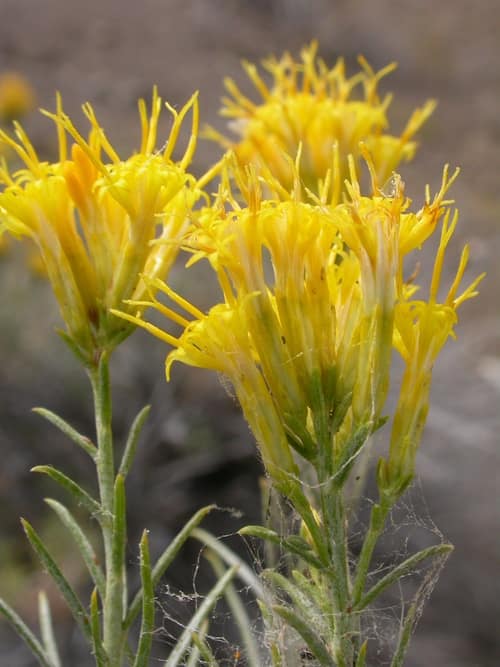
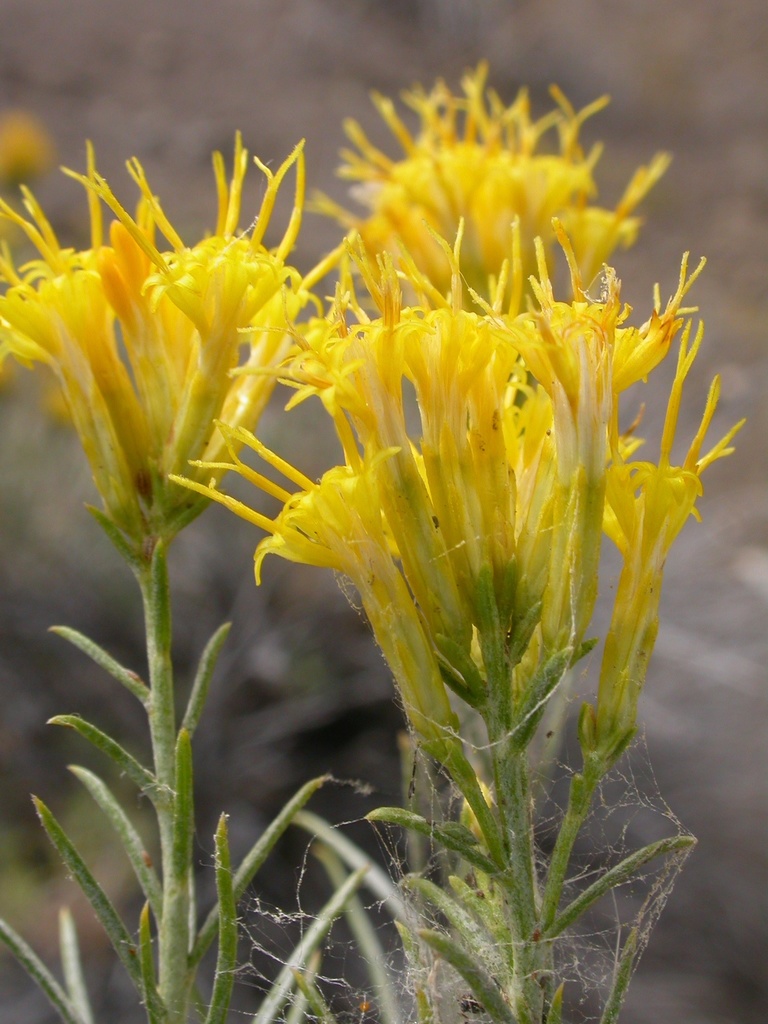
—observations
—countries
—peak records
Least ConcernConservation statusIUCN Red List categoriesLCNTVUENCREWEXLeast ConcernRed List categories, explained →
Diet & prey
- Photosynthetic
Predators
- Pronghorn
- Mule Deer
- Jackrabbits
ThreatsInvasive weed competition, altered fire regimes, habitat loss
HabitatsDesert scrub, sagebrush steppe, dry canyons, roadsides
Life span10–20 years
Classification
- OrderAsterales
- FamilyAsteraceae
- GenusEricameria
- SpeciesEricameria nauseosa
Range data is not available yet.
Interaction riskLow
- Low
- Moderate
- High
- Very high
- Why interaction risk is low
- Late-season pollen can trigger hay fever; observe without shaking blooming branches.
Responsible observation
- Late Season Observation: Search for blooming clumps from August through October when bright yellow heads attract abundant pollinators.
- Scent Identification: Gently crush a leaf between fingers to release its distinctive resinous, pungent aroma.
- Habitat Context: Spot this deep-rooted shrub along dry roadsides, eroded slopes, and open sagebrush basins.
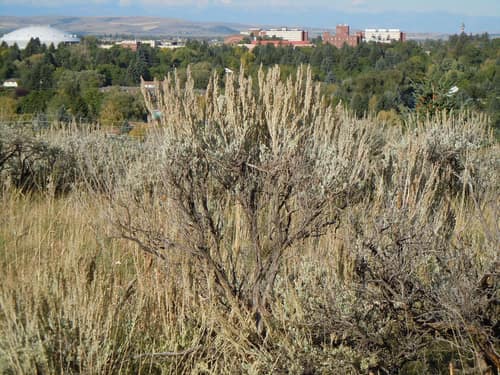
Frequent Companion (c) Matt Lavin, some rights reserved (CC BY) · cc-by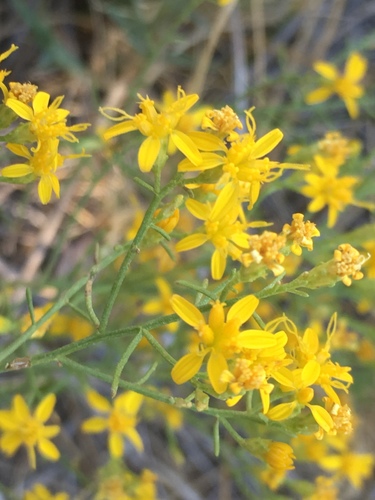
Competitor (c) W. Terry Hunefeld, some rights reserved (CC BY), uploaded by W. Terry Hunefeld · cc-by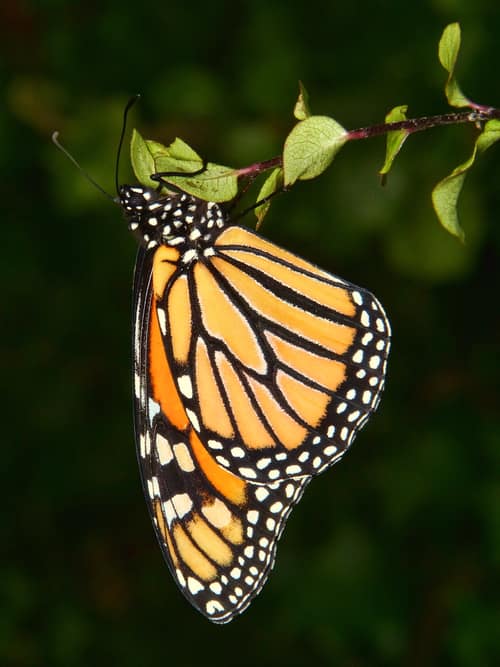
Pollinator Sid Mosdell from New Zealand / CC BY 2.0 · cc-by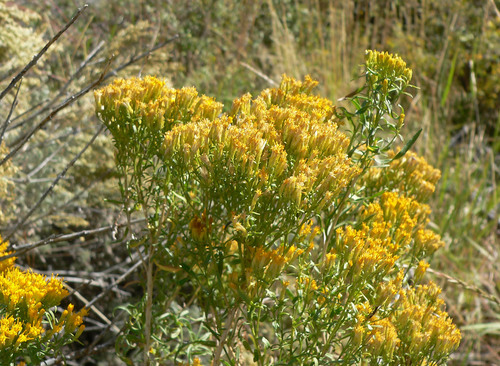
Close Relative (c) Stan Shebs, some rights reserved (CC BY-SA) · cc-by-sa
Help improve the field guideSomething wrong?
Checking your Fauna account…Report a name, category, or profile issue for review.