
Plant
Royal Catchfly
Silene regiaAlso known as Prairie Catchfly
Royal catchfly stands out in tallgrass prairies with brilliant crimson blossoms designed specifically for hummingbird pollination. Sticky glandular hairs coating the stems and calyces act as natural barriers, trapping crawling insects that attempt to rob nectar without pollinating. Deep fleshy taproots anchor this perennial through summer droughts, allowing it to bloom reliably from mid to late summer.
PerennialWildflowerHummingbird Magnet


—observations
—countries
—peak records
VulnerableConservation statusIUCN Red List categoriesLCNTVUENCREWEXVulnerableRed List categories, explained →
Diet & preyAutotrophic (Photosynthetic)
Predators
- White-tailed Deer
- Cottontail Rabbits
- Insect Herbivores
ThreatsHabitat loss, fire suppression, invasion by exotic weeds
HabitatsTallgrass prairies, rocky glades, oak savannas, dry open woodlands
Life spanPerennial (5 to 10+ years)
Classification
- FamilyCaryophyllaceae
- SpeciesSilene regia
Range data is not available yet.
Interaction riskLow
- Low
- Moderate
- High
- Very high
- Why interaction risk is low
- Safe to observe at a normal distance.
- What to notice
- Recognized by tall upright stems up to 1.6 meters bearing brilliant crimson, five-petaled tubular blooms atop sticky calyces.
- Support conservation
- Observe from established paths without compacting prairie soil, and never collect seeds or dig up wild roots.
Responsible observation
- Look for pollinators: Watch for ruby-throated hummingbirds hovering around the vivid red tubular blooms in late summer.
- Examine the calyx: Gently inspect the sticky hairs along the upper stems and sepals that entangle small insects.
- Support native habitat: Grow nursery-propagated plants in sunny, well-drained prairie gardens to assist local conservation.
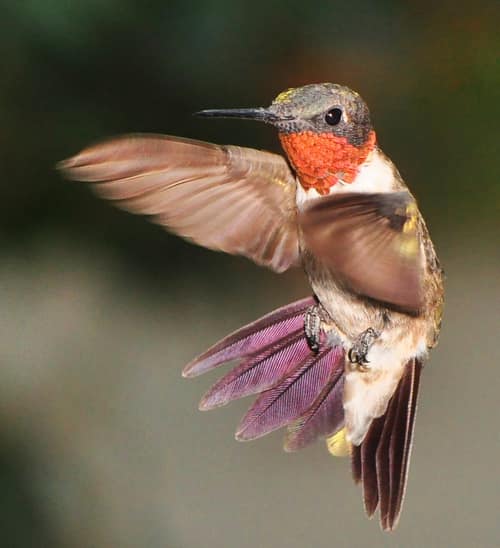
Pollinator jeffreyw / CC BY 2.0 · cc-by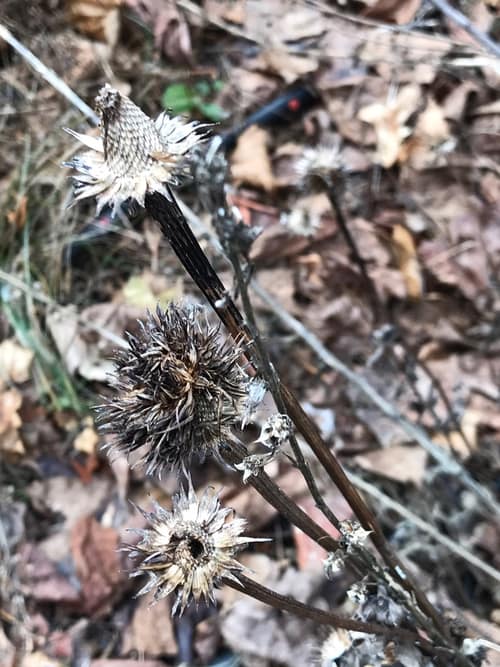
Frequent Companion (c) Sandy Wolkenberg, some rights reserved (CC BY), uploaded by Sandy Wolkenberg · cc-by
Close Relative (c) Douglas Goldman, some rights reserved (CC BY-SA), uploaded by Douglas Goldman · cc-by-sa
Close Relative (c) Michael J. Papay, some rights reserved (CC BY), uploaded by Michael J. Papay · cc-by
Help improve the field guideSomething wrong?
Checking your Fauna account…Report a name, category, or profile issue for review.