
Plant · GBIF taxon 5384064
Indian Fig Opuntia
Opuntia ficus-indicaAlso known as Prickly Pear, Barbary Fig, Mission Cactus, Spineless Cactus
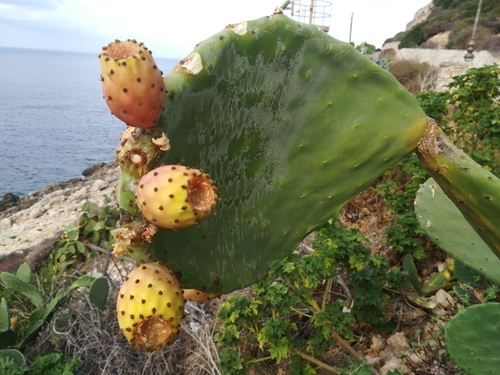
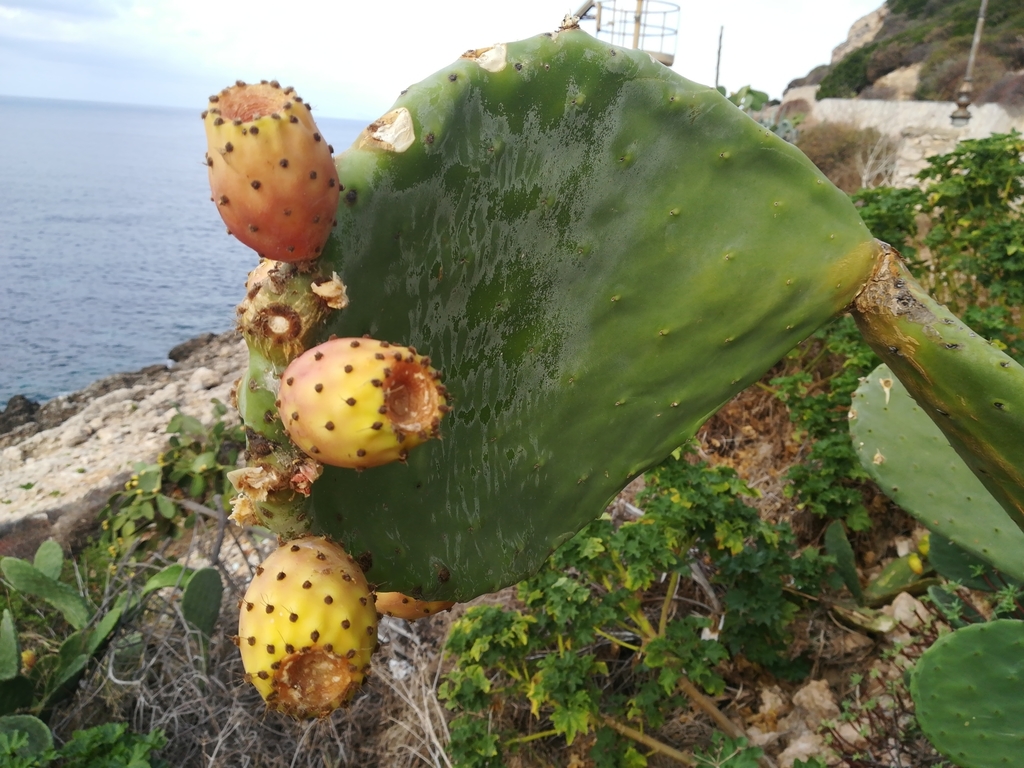
Indian fig opuntia is a tall, branching cactus recognizable by its broad, flattened green pads and vibrant yellow to orange flowers. Originating in central Mexico, it relies on specialized CAM photosynthesis to thrive in arid climates while building extensive succulent stem networks. The plant produces colorful, egg-shaped fruits surrounded by clusters of microscopic barbed bristles that protect it from herbivores.
SucculentDrought-TolerantArid Flora
—observations
—countries
—peak records
Data DeficientConservation statusIUCN Red List categoriesLCNTVUENCREWEXData Deficient — not placed on the risk ladderRed List categories, explained →
Diet & prey
- Autotrophic (Photosynthetic)
Predators
- Cochineal Scale Insect
- Cactus Moth
- Javelinas
ThreatsFungal rot from overwatering, severe prolonged freezes, invasive insect pests
HabitatsArid and semi-arid regions, deserts, scrublands, agricultural plantations
Life span50–100 years
Size / weightNot available
Classification
- OrderCaryophyllales
- FamilyCactaceae
- GenusOpuntia
- SpeciesOpuntia ficus-indica
Range data is not available yet.
Interaction riskLow
- Low
- Moderate
- High
- Very high
- Why interaction risk is low
- Barbed glochids cause severe skin irritation; wild fruits have toxic look-alikes, so never eat based on app identification alone.
- Why it is dangerous
- Microscopic barbed bristles called glochids easily lodge in skin, causing persistent irritation, inflammation, and localized discomfort.
- How to recognize a risky encounter
- Look for wide, green oval pads dotted with tiny brownish, tuft-like clusters instead of large obvious spines.
- What to do
- Avoid touching pads or fruit without thick leather gloves, and keep curious pets away from the base.
Responsible observation
- Safe Distance: Maintain a comfortable distance because fine glochids easily detach in strong winds.
- Pest Inspection: Look for small white cottony clusters on pads, which reveal feeding cochineal insects.
- Viewing Time: Observe blooms during bright, sunny mornings when flowers fully open to pollinators.
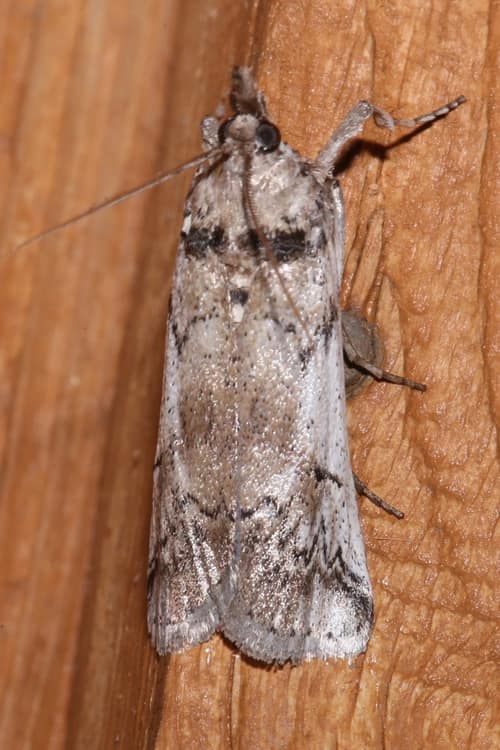
Predator (c) Laura Gaudette, some rights reserved (CC BY), uploaded by Laura Gaudette · cc-by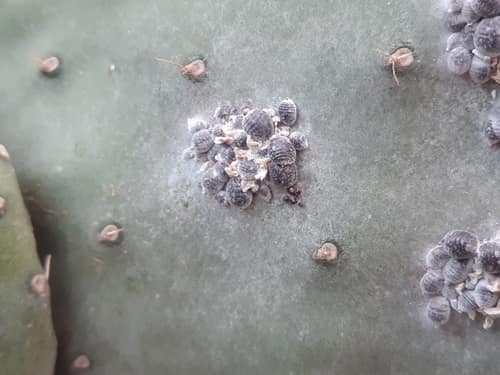
Parasite (c) tylototriton, some rights reserved (CC BY), uploaded by tylototriton · cc-by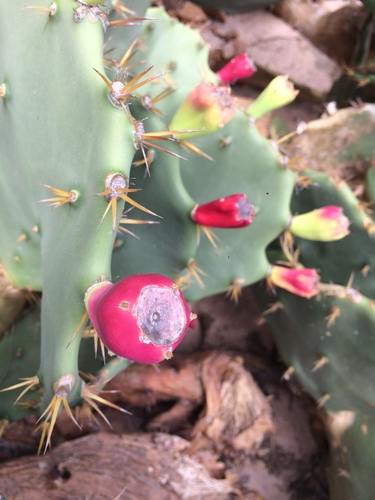
Close Relative (c) B. Phalan, some rights reserved (CC BY), uploaded by B. Phalan · cc-by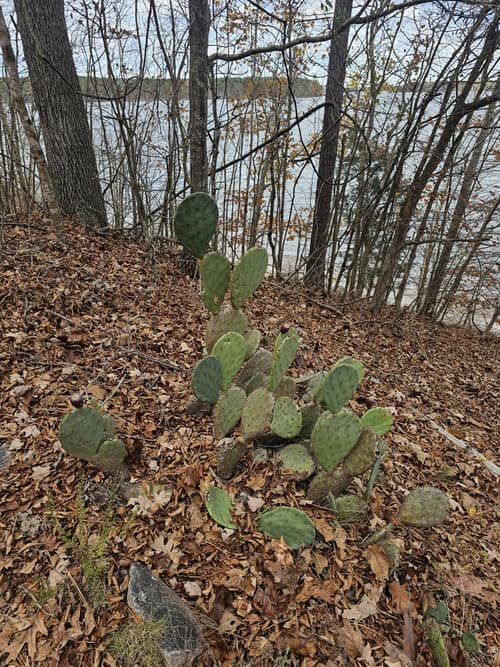
Close Relative (c) Daniel Washburn, some rights reserved (CC BY) · cc-by
Help improve the field guideSomething wrong?
Checking your Fauna account…Report a name, category, or profile issue for review.