
Plant · GBIF taxon 8014872
Prickly Pear Cactus
Opuntia engelmanniiAlso known as Desert Prickly Pear, Engelmann's Prickly Pear, Discus Prickly Pear, Nopal
Sprawling thickets of flat, fleshy green pads allow Engelmann's prickly pear to store water and thrive across harsh southwestern deserts. Bright yellow blossoms appear in late spring, attracting native bees before developing into deep purple barrel-shaped fruits that sustain desert wildlife. Dense clusters of formidable spines combined with microscopic barbed bristles shield the plant from most herbivores.
SucculentAridFlowering
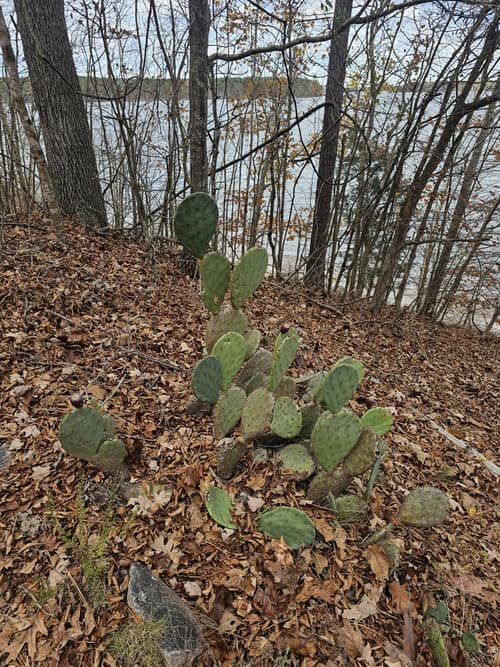
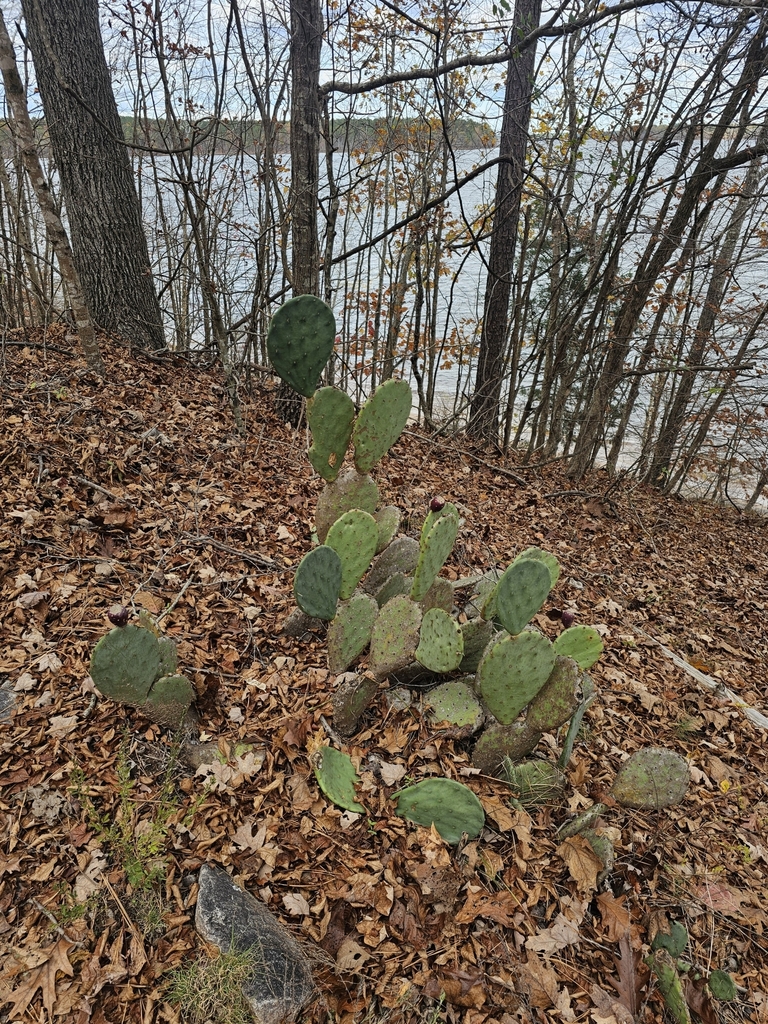
—observations
—countries
—peak records
Least ConcernConservation statusIUCN Red List categoriesLCNTVUENCREWEXLeast ConcernRed List categories, explained →
Diet & prey
- Autotrophic (Photosynthetic)
Predators
- Javelina
- Desert Tortoise
- Cactus Longhorn Beetle
ThreatsHabitat loss, invasive cactus moth
HabitatsDeserts, dry grasslands, scrublands, rocky slopes
Life span30–50 years
Size / weightNot available
Classification
- OrderCaryophyllales
- FamilyCactaceae
- GenusOpuntia
- SpeciesOpuntia engelmannii
Range data is not available yet.
Interaction riskLow
- Low
- Moderate
- High
- Very high
- Why interaction risk is low
- Spines and microscopic glochids cause severe skin irritation; wild fruits have look-alikes, so never ingest unverified plants.
- Why it is dangerous
- Lined with sharp primary spines and clusters of microscopic barbed glochids that easily embed in skin and cause persistent mechanical irritation.
- How to recognize a risky encounter
- Look for wide, flattened green pads covered in evenly spaced clusters of pale spines and tiny bristly glochid tufts.
- What to do
- Maintain a safe distance of at least one meter and avoid touching any part of the plant.
Responsible observation
- Observe from a Distance: Tiny hair-like glochids detach at the slightest touch and lodge deeply into skin.
- Look for Spring Blooms: Vibrant yellow flowers open during late spring mornings and attract native pollinators.
- Check for Wildlife: Javelinas and desert tortoises frequently seek shade and food around mature stands.
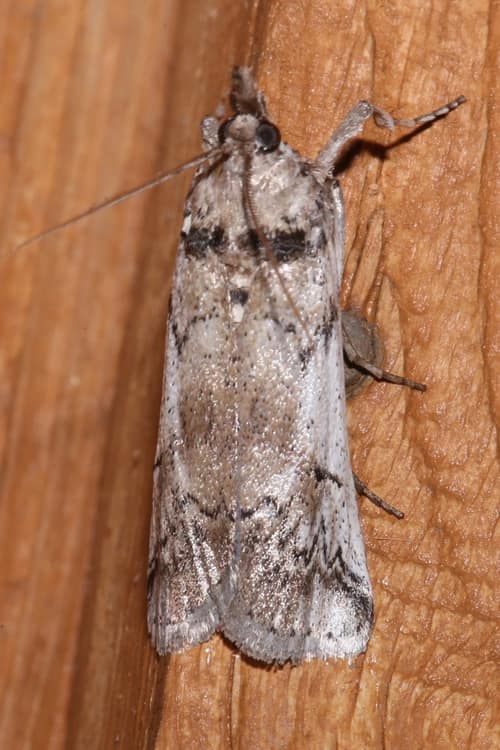
Parasite (c) Laura Gaudette, some rights reserved (CC BY), uploaded by Laura Gaudette · cc-by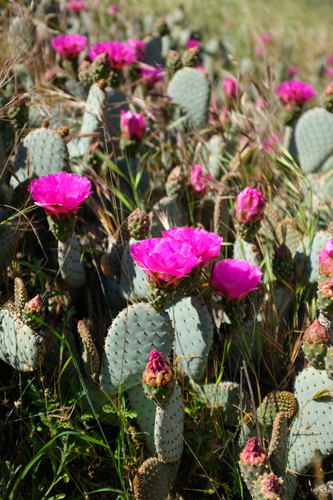
Close Relative (c) paulexcoff, some rights reserved (CC BY-SA) · cc-by-sa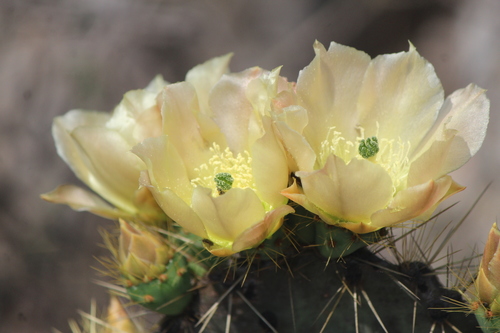
Close Relative (c) José Belem Hernández Díaz, some rights reserved (CC BY), uploaded by José Belem Hernández Díaz · cc-by
Help improve the field guideSomething wrong?
Checking your Fauna account…Report a name, category, or profile issue for review.