
Plant
Brown-spined Pricklypear
Opuntia phaeacanthaAlso known as Brown-spine Prickly Pear, Tulip Prickly Pear, Desert Prickly Pear, Mojave Prickly Pear
Brown-spined Pricklypear forms low, spreading thickets across North American deserts and dry grasslands, recognizable by its dark reddish-brown central spines and flattened pads. Spring brings spectacular cup-shaped yellow blossoms with reddish centers that attract a wide array of native bees and beetles. In response to winter cold and drought stress, the green pads often produce protective pigments that turn the plant striking shades of purple.
DesertFloweringSucculent
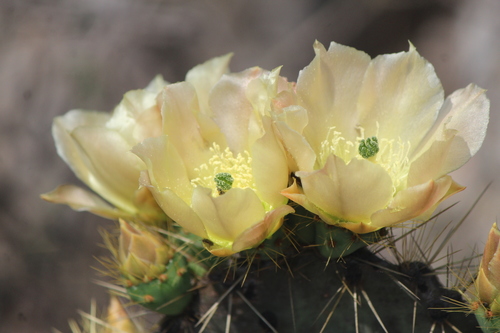
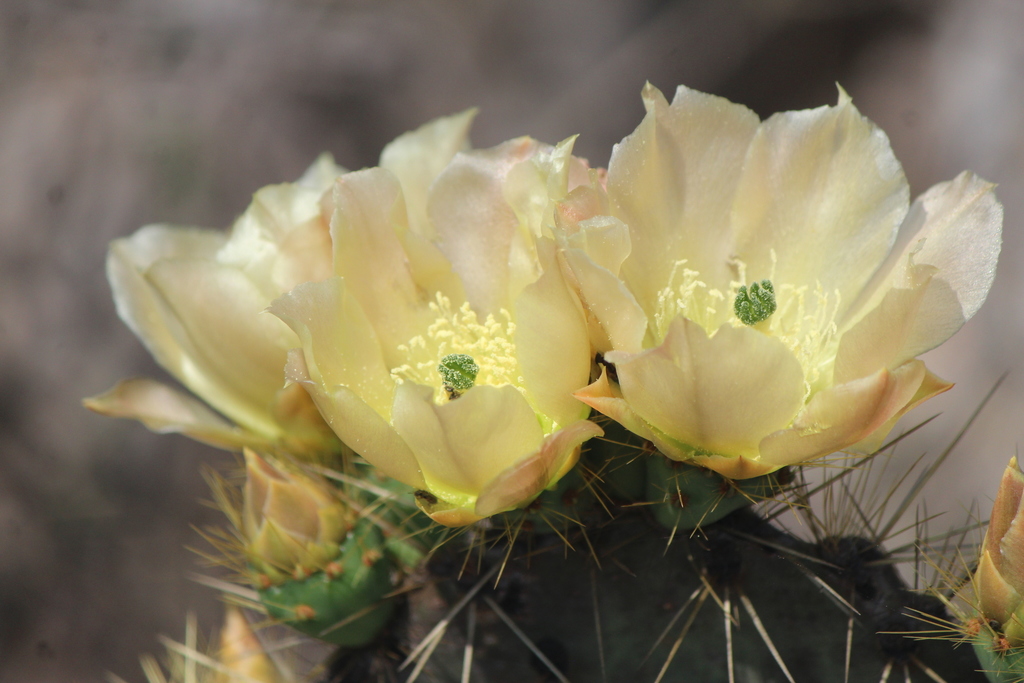
—observations
—countries
—peak records
Least ConcernConservation statusIUCN Red List categoriesLCNTVUENCREWEXLeast ConcernRed List categories, explained →
Diet & preySunlight, Water, Soil Minerals
Predators
- Javelina
- Desert Cottontail
- Cactus Longhorn Beetle
ThreatsHabitat conversion, overgrazing, invasive weeds
HabitatsDeserts, dry grasslands, scrublands, rocky hillsides
Life span30–50+ years
Classification
- OrderCaryophyllales
- FamilyCactaceae
- GenusOpuntia
- SpeciesOpuntia phaeacantha
Range data is not available yet.
Interaction riskLow
- Low
- Moderate
- High
- Very high
- Why interaction risk is low
- Sharp spines and tiny glochids irritate skin, and wild fruits have look-alikes; avoid touching wild plants.
- Why it is dangerous
- Microscopic barbed bristles dislodge easily upon touch and embed into skin, causing painful dermatitis and persistent irritation.
- How to recognize a risky encounter
- Look for broad green to purplish flattened pads covered in fuzzy clusters bearing dark brown main spines.
- What to do
- Observe from a distance and never handle pads or fruits with bare hands.
Responsible observation
- Observation: Admire the vibrant yellow blooms from a safe distance during spring.
- Avoid Contact: Keep bare hands and pets away from pads to avoid microscopic, barbed glochids.
- Photography: Look for purplish pad coloration during cold winter months.
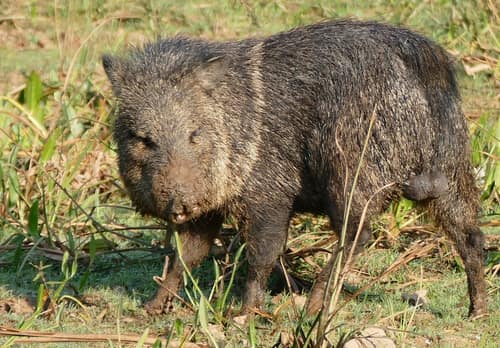
Herbivore (c) Bernard DUPONT, some rights reserved (CC BY-SA) · cc-by-sa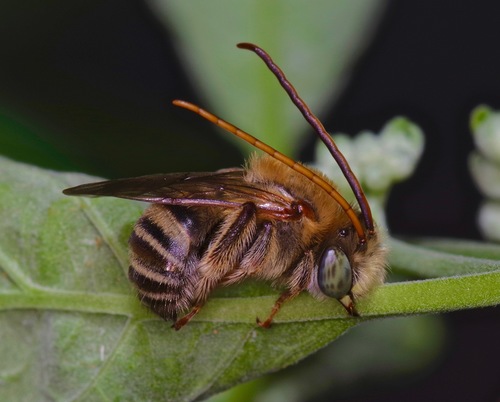
Pollinator (c) Michelle W. (鍾偉瑋), some rights reserved (CC BY), uploaded by Michelle W. (鍾偉瑋) · cc-by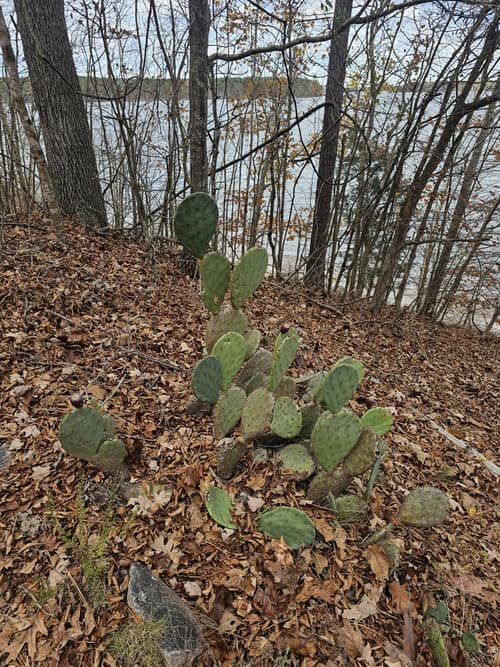
Close Relative (c) Daniel Washburn, some rights reserved (CC BY) · cc-by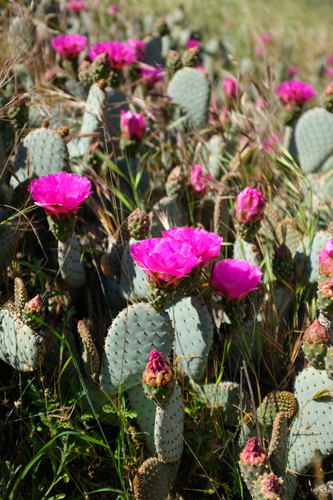
Close Relative (c) paulexcoff, some rights reserved (CC BY-SA) · cc-by-sa
Help improve the field guideSomething wrong?
Checking your Fauna account…Report a name, category, or profile issue for review.