
Plant
Goodding's Willow
Salix gooddingiiAlso known as Goodding's Black Willow, Southwestern Black Willow
Goodding's willow anchors riverbanks and desert floodplains across the American Southwest, providing critical canopy shade in arid landscapes. Its fibrous, water-seeking root systems stabilize sandy banks during seasonal flash floods and filter runoff. The tree is a keystone nesting site and early-season nectar source for desert pollinators and migrating songbirds.
DeciduousRiparianWind-Pollinated
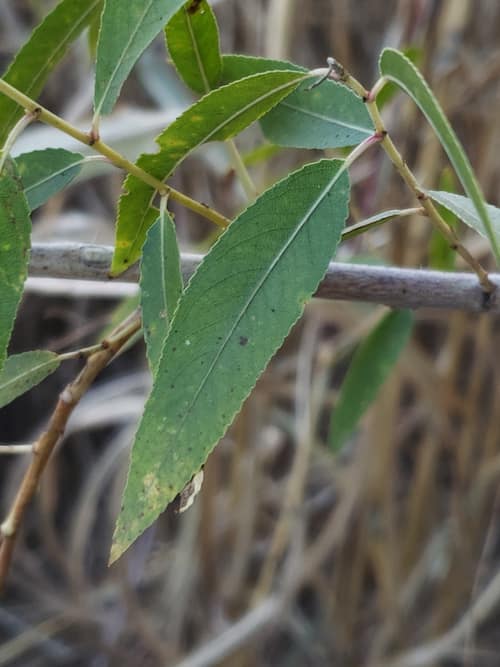
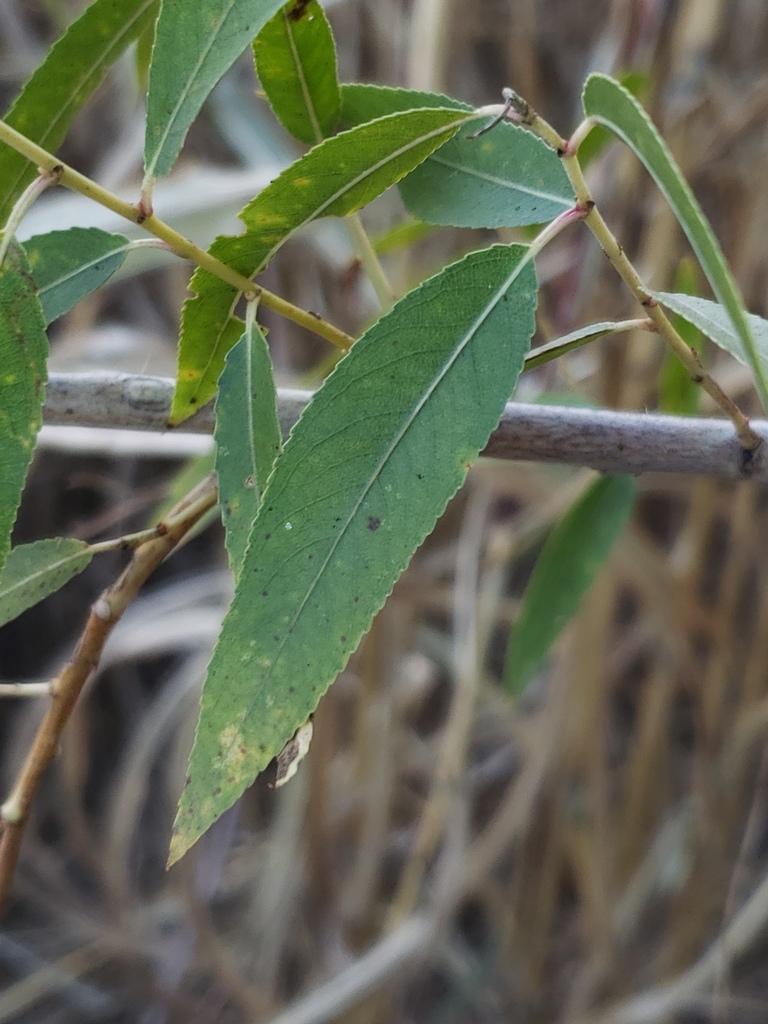
—observations
—countries
—peak records
Least ConcernConservation statusIUCN Red List categoriesLCNTVUENCREWEXLeast ConcernRed List categories, explained →
Diet & preyAutotrophic (photosynthetic)
Predators
- North American Beaver
- Mule Deer
- Tent Caterpillar
ThreatsGroundwater pumping, river diversion, altered flood regimes, and invasive tamarisk competition
HabitatsRiparian corridors, river floodplains, desert washes, and moist canyon bottoms
Life span50–100 years
Classification
- OrderMalpighiales
- FamilySalicaceae
- GenusSalix
- SpeciesSalix gooddingii
Range data is not available yet.
Interaction riskLow
- Low
- Moderate
- High
- Very high
- Why interaction risk is low
- Safe to observe at a normal distance.
Responsible observation
- Spring Bloom: Watch male and female catkins emerge in early spring on separate trees.
- Birding Hotspot: Scan the upper canopy during spring migration for warblers and flycatchers.
- Habitat Protection: Avoid trampling sensitive wet bank soils around roots.
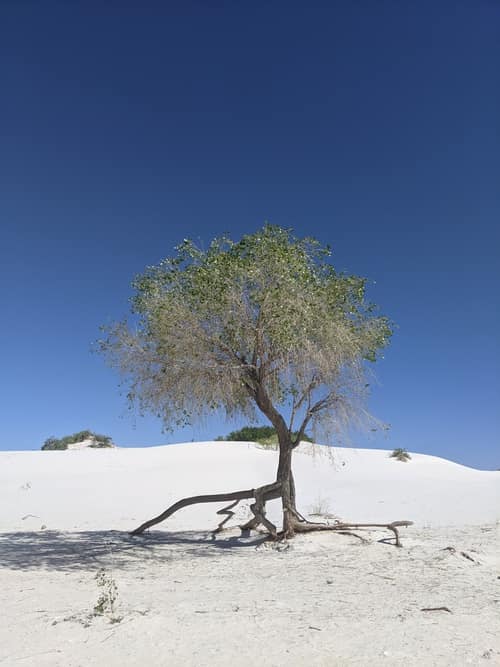
Frequent Companion (c) Daniel Z, some rights reserved (CC BY) · cc-by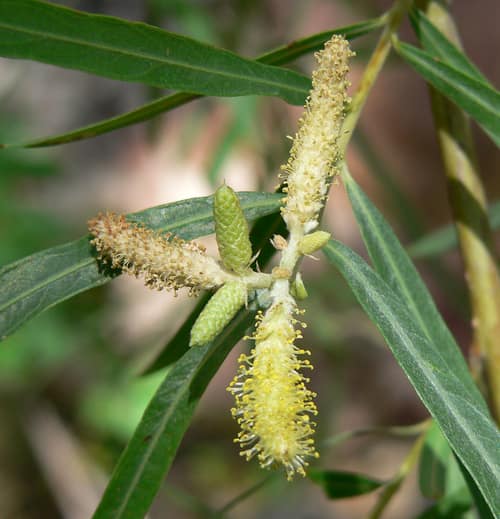
Same Genus (c) Stan Shebs, some rights reserved (CC BY-SA) · cc-by-sa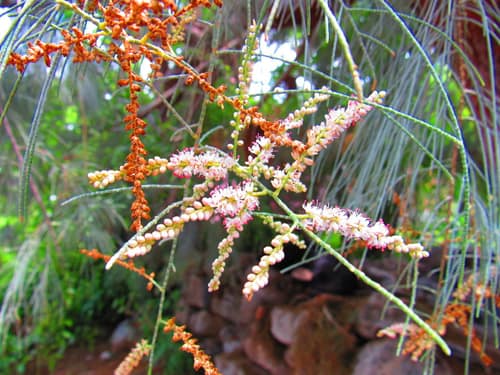
Competitor (c) Oscar Alejandro Morales Juárez, some rights reserved (CC BY-SA) · cc-by-sa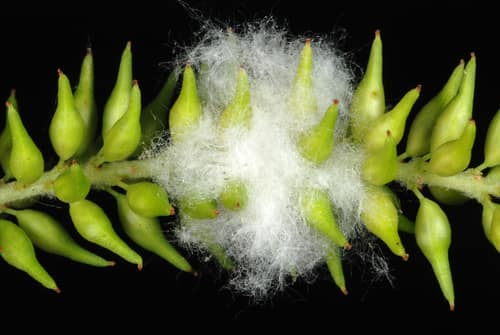
Close Relative (c) Douglas Goldman, some rights reserved (CC BY-SA), uploaded by Douglas Goldman · cc-by-sa
Help improve the field guideSomething wrong?
Checking your Fauna account…Report a name, category, or profile issue for review.