
Plant
Frost Grape
Vitis vulpinaAlso known as Winter Grape, Chicken Grape
Frost grape vigorously climbs trees and fencerows across eastern North America, using coiling tendrils to reach high into forest canopy sunlight. Its dense clusters of small, dark purple fruits persist late into winter, offering vital cold-weather nutrition for migratory and overwintering songbirds. Smooth cordate leaves with coarse teeth turn golden yellow in autumn before dropping to expose shredded, peeling bark on aging vines.
ClimberDeciduousWildlife Food
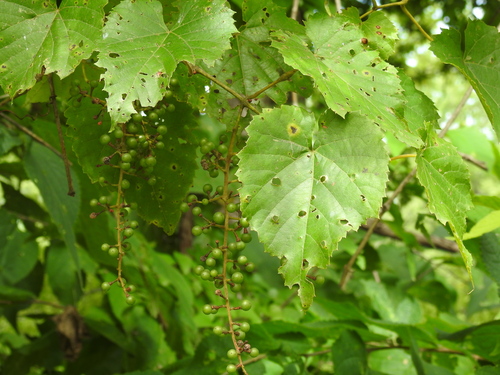
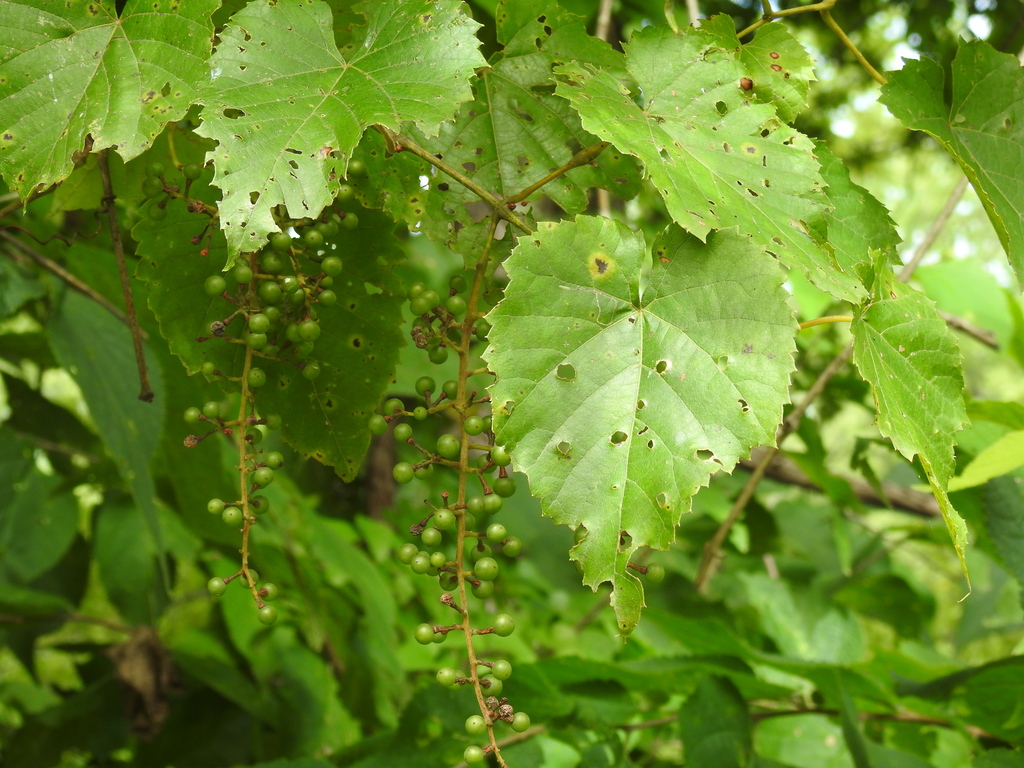
—observations
—countries
—peak records
Least ConcernConservation statusIUCN Red List categoriesLCNTVUENCREWEXLeast ConcernRed List categories, explained →
Diet & preyAutotrophic (Photosynthesis)
Predators
- White-Tailed Deer
- Cedar Waxwing
- Wild Turkey
ThreatsHabitat clearing and competition from non-native invasive vines
HabitatsFloodplain forests, riverbanks, woodland borders, fencerows
Life span30–50+ years
Classification
- OrderVitales
- FamilyVitaceae
- GenusVitis
- SpeciesVitis vulpina
Range data is not available yet.
Interaction riskLow
- Low
- Moderate
- High
- Very high
- Why interaction risk is low
- Wild berries have toxic look-alikes; never eat based on app identification alone.
Responsible observation
- Identification: Look for deeply heart-shaped leaves with sharp teeth and shredding reddish-brown bark on woody stems.
- Wildlife Observing: Watch fruiting vines in late autumn to spot foraging robins, bluebirds, and wild turkeys.
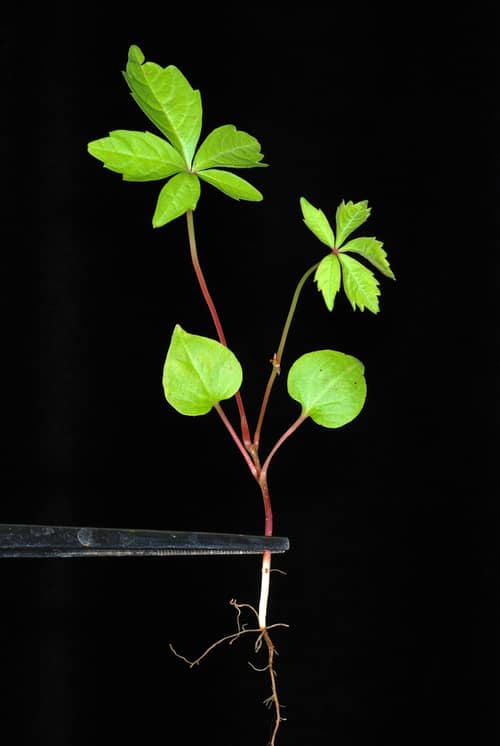
Co-Occurring Vine (c) Douglas Goldman, some rights reserved (CC BY-SA), uploaded by Douglas Goldman · cc-by-sa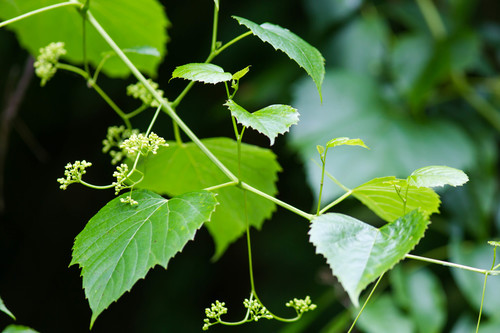
Look-Alike Vine (c) Melissa McMasters, some rights reserved (CC BY) · cc-by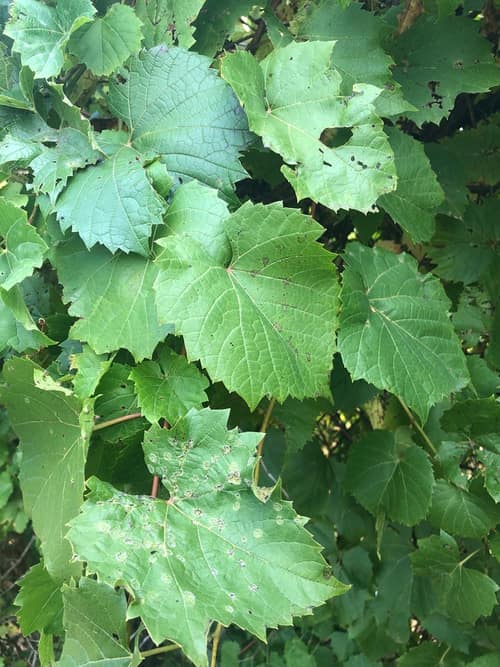
Close Relative (c) miquelon, some rights reserved (CC BY), uploaded by miquelon · cc-by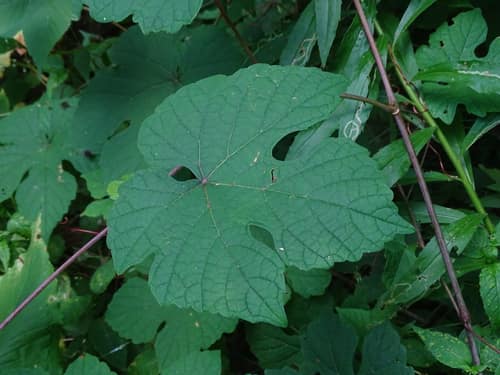
Close Relative no rights reserved, uploaded by Reuven Martin · cc0
Help improve the field guideSomething wrong?
Checking your Fauna account…Report a name, category, or profile issue for review.