
Plant · GBIF taxon 5372400
Summer Grape
Vitis aestivalisAlso known as Pigeon Grape, Silverleaf Grape
Summer grape climbs high into woodland canopies using tendrils that anchor securely to tree bark and branches. Its broad, deeply lobed leaves display a distinctive coating of rusty downy hairs on their undersides, an adaptation that helps conserve moisture on dry upland slopes. In late summer, dense panicles of small dark purple fruits ripen, providing a vital seasonal food source for wild turkeys, songbirds, and forest mammals.
Climbing VineNativeFruit-Bearing
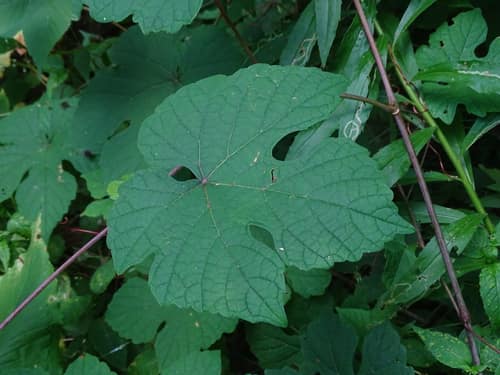
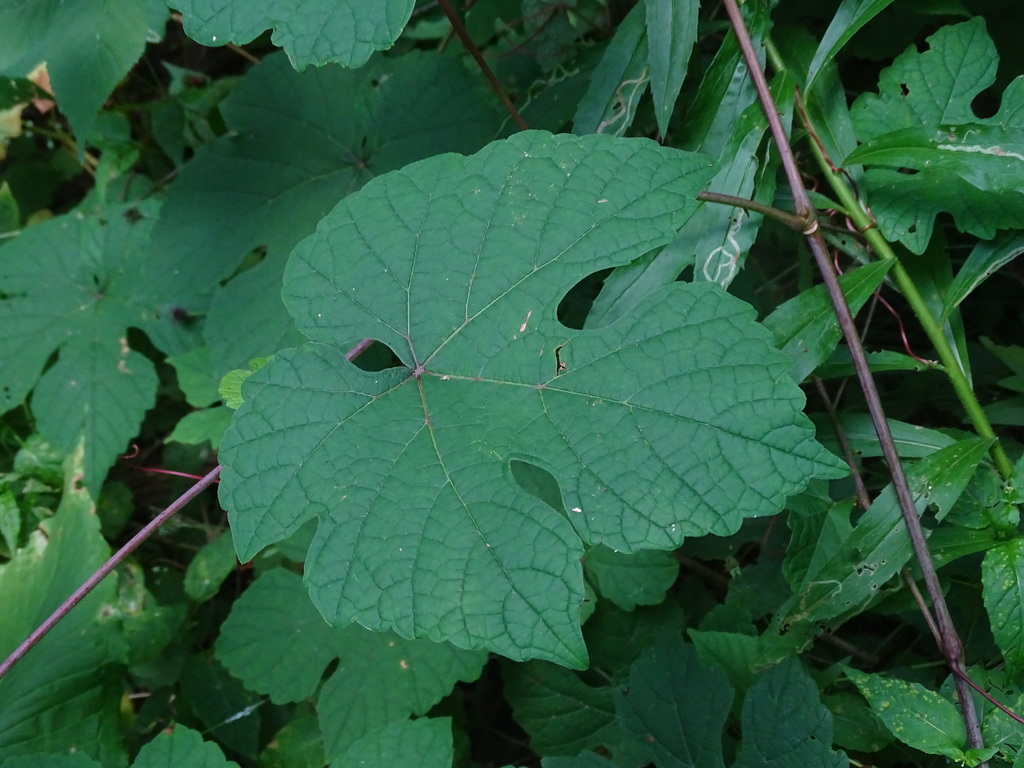
—observations
—countries
—peak records
Least ConcernConservation statusIUCN Red List categoriesLCNTVUENCREWEXLeast ConcernRed List categories, explained →
Diet & prey
- Autotrophic (Photosynthetic)
Predators
- White-tailed Deer
- Wild Turkey
- Black Bear
ThreatsHabitat loss, forest fragmentation, and competition from non-native invasive vines
HabitatsDry upland forests, woodland edges, rocky hillsides, and fence lines
Life span30–50+ years
Size / weightNot available
Classification
- FamilyVitaceae
- SpeciesVitis aestivalis
Range data is not available yet.
Interaction riskLow
- Low
- Moderate
- High
- Very high
- Why interaction risk is low
- Wild berries have toxic look-alikes; never eat wild fruits based on app identification alone.
Responsible observation
- Underside Check: Look for dense tawny or reddish hairs on leaf undersides to confirm identity.
- Canopy Spotting: Trace thick woody vines upward into the forest canopy to find fruiting clusters.
- Winter Identification: Identify dormant vines by their shredding, fibrous bark wrapped around host trees.
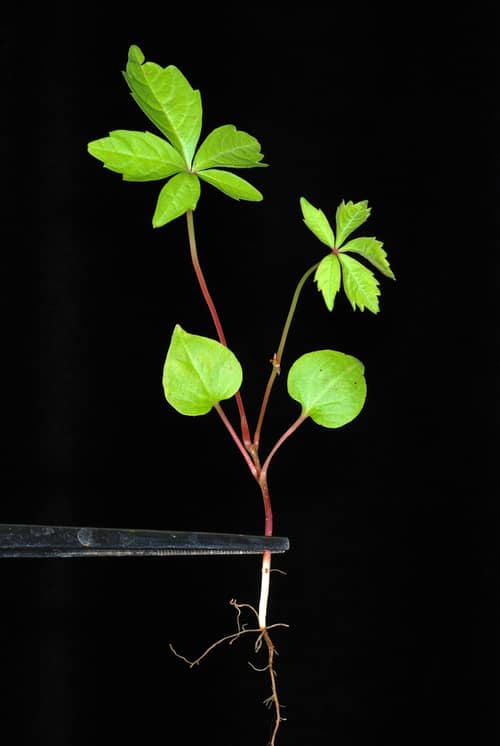
Frequent Companion (c) Douglas Goldman, some rights reserved (CC BY-SA), uploaded by Douglas Goldman · cc-by-sa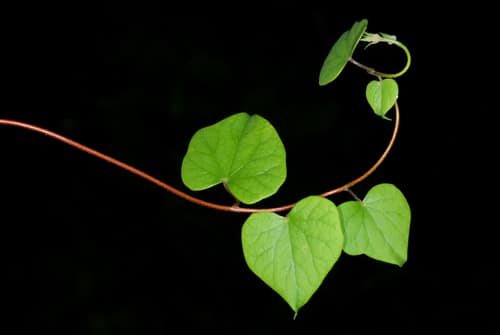
Toxic Look-Alike (c) Douglas Goldman, some rights reserved (CC BY-SA), uploaded by Douglas Goldman · cc-by-sa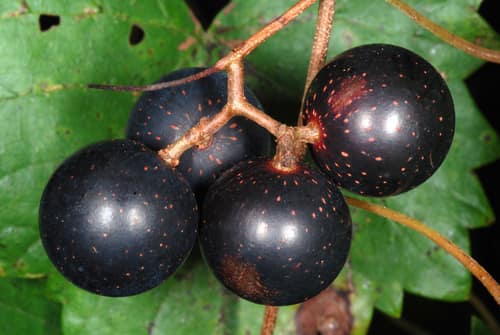
Close Relative (c) Douglas Goldman, some rights reserved (CC BY-SA), uploaded by Douglas Goldman · cc-by-sa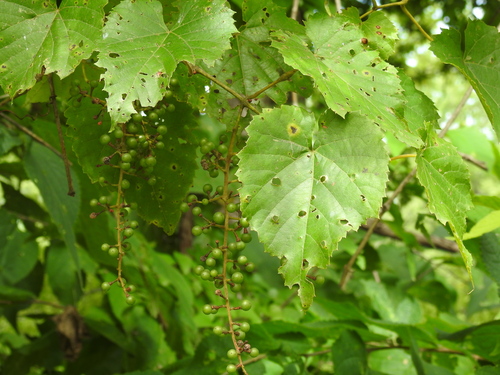
Close Relative no rights reserved · cc0
Help improve the field guideSomething wrong?
Checking your Fauna account…Report a name, category, or profile issue for review.