
Plant
Celery
Apium graveolensAlso known as Wild Celery, Smallage, Marsh Parsley
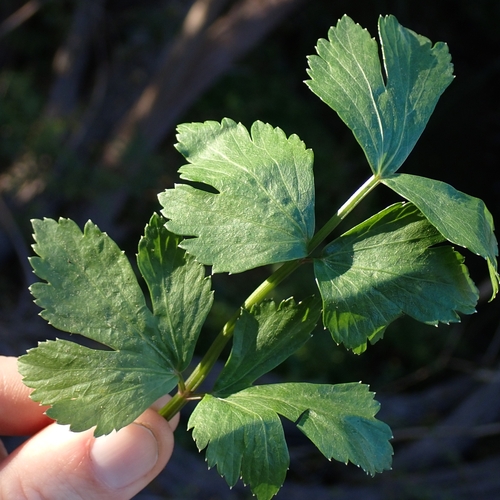
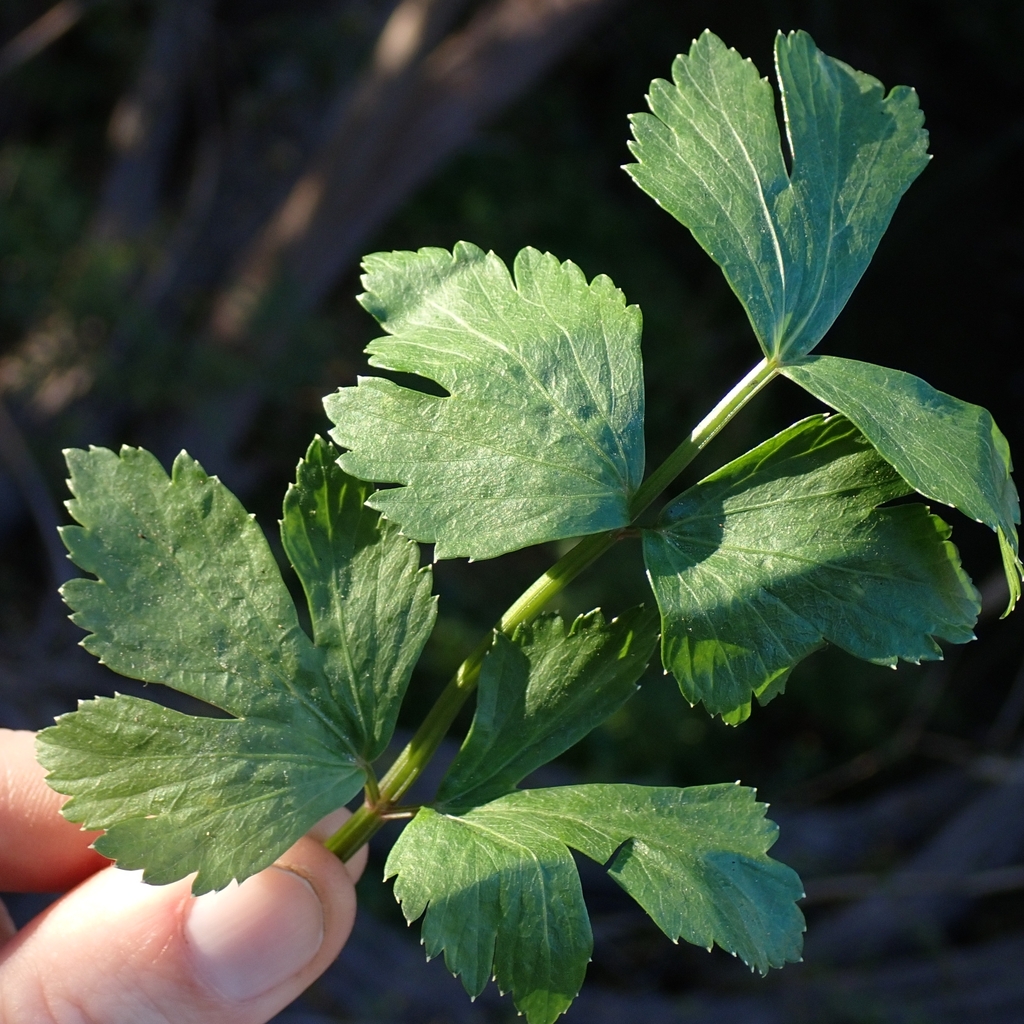
Wild celery grows as a stout biennial herb in coastal salt marshes and damp ditches across the Old World, sending up deeply furrowed, hollow stems topped with flat clusters of tiny greenish-white flowers. Crushing its glossy, pinnate leaves releases a sharp, unmistakable aroma driven by natural phthalide compounds. Open flower umbels offer easy-to-reach nectar that draws hoverflies, solitary wasps, and beetles throughout mid to late summer.
BiennialAromaticWetland
—observations
—countries
—peak records
Least ConcernConservation statusIUCN Red List categoriesLCNTVUENCREWEXLeast ConcernRed List categories, explained →
Diet & preySunlight, Water, Soil minerals
Predators
- Old World Swallowtail caterpillars
- Slugs
- Aphids
ThreatsCoastal wetland drainage, agricultural runoff, and competition from invasive marsh plants
HabitatsCoastal salt marshes, brackish ditches, wet meadows, and disturbed stream banks
Life span2 years (biennial)
Classification
- FamilyApiaceae
- SpeciesApium graveolens
Range data is not available yet.
Interaction riskLow
- Low
- Moderate
- High
- Very high
- Why interaction risk is low
- Safe to observe at a normal distance; never eat wild umbellifers due to deadly hemlock look-alikes.
Responsible observation
- Stem check: Look for deeply grooved, hollow, hairless stems without purple blotches.
- Scent cue: Gently rubbing a leaf releases a crisp, unmistakable celery aroma.
- Foraging safety: Never taste wild plants in the carrot family because toxic hemlocks grow nearby.
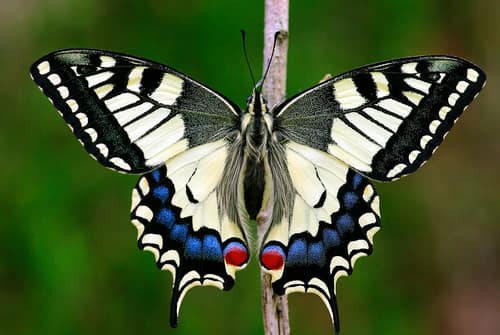
Herbivore Entomolo / CC BY-SA 4.0 · cc-by-sa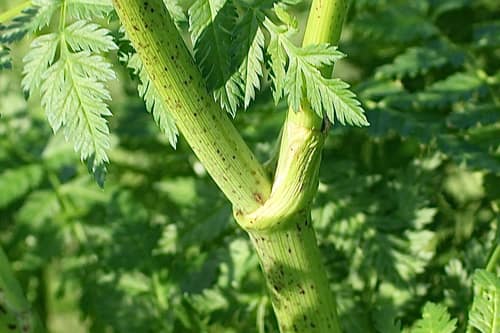
Look-alike (c) L.J. Lamera, some rights reserved (CC BY), uploaded by L.J. Lamera · cc-by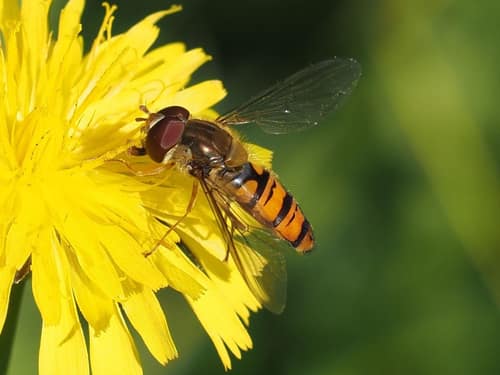
Pollinator (c) Michael Knapp, some rights reserved (CC BY), uploaded by Michael Knapp · cc-by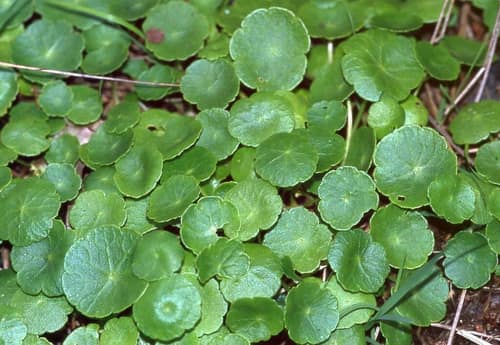
Neighbor (c) anonymous, some rights reserved (CC BY-SA) · cc-by-sa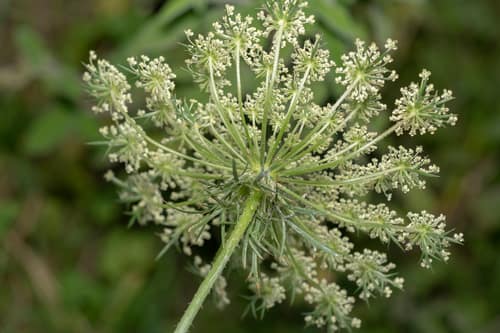
Same Family (c) Eleftherios Katsillis, some rights reserved (CC BY), uploaded by Eleftherios Katsillis · cc-by
Help improve the field guideSomething wrong?
Checking your Fauna account…Report a name, category, or profile issue for review.