
Plant
Virginia Sweetspire
Itea virginicaAlso known as Virginia Willow, Tassel White
Virginia sweetspire thrives along southern wetlands and riverbanks, where its spreading root suckers form dense, bank-stabilizing thickets. In late spring, arching cylindrical racemes of fragrant white blooms drape across the branches, attracting clouds of native bees, butterflies, and beetles. As autumn approaches, the glossy green foliage undergoes a dramatic shift, turning deep shades of burgundy, crimson, and golden orange that persist well into early winter.
Deciduous ShrubWetland PlantFragrant Flowers
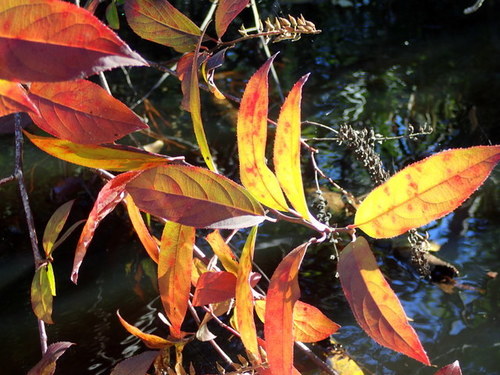
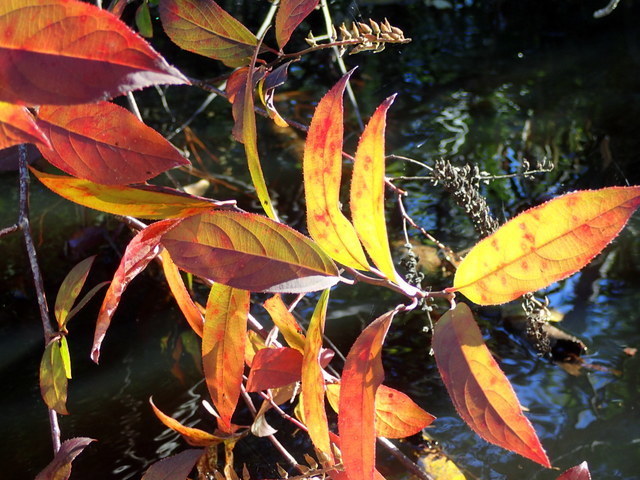
—observations
—countries
—peak records
Least ConcernConservation statusIUCN Red List categoriesLCNTVUENCREWEXLeast ConcernRed List categories, explained →
Diet & preySunlight, Water, Soil nutrients
Predators
- White-tailed deer
- North American beaver
- Eastern cottontail
ThreatsWetland drainage, development, competition from non-native invasive plants
HabitatsSwamps, stream margins, bottomland hardwood forests, wet pine flatwoods
Life span15–30 years
Classification
- OrderSaxifragales
- FamilyIteaceae
- GenusItea
- SpeciesItea virginica
Range data is not available yet.
Interaction riskLow
- Low
- Moderate
- High
- Very high
- Why interaction risk is low
- Safe to observe at a normal distance.
Responsible observation
- Garden Planting: Provide consistently moist, acidic soil in full sun to partial shade for the richest autumn foliage.
- Wildlife Watching: Check flowering racemes during warm, sunny mornings to spot feeding bees and swallowtail butterflies.
- Winter Identification: Look for lingering, two-valved seed capsules strung along arching, reddish-brown dried twigs.
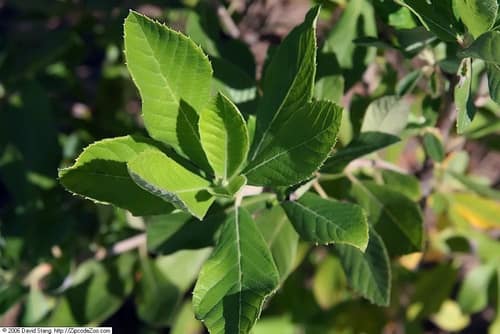
Frequent Companion (c) Photo by David J. Stang, some rights reserved (CC BY-SA) · cc-by-sa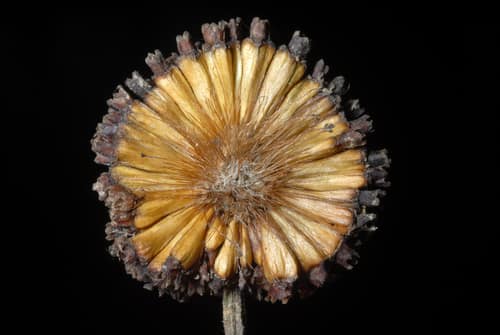
Frequent Companion (c) Douglas Goldman, some rights reserved (CC BY-SA), uploaded by Douglas Goldman · cc-by-sa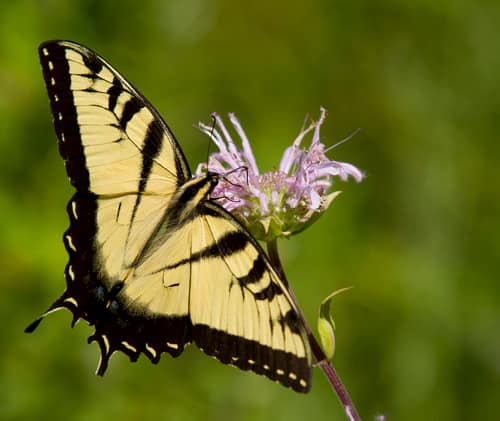
Pollinator "Eastern Tiger Swallowtail" by ShenandoahNPS is marked with Public Domain Mark 1.0. To view the terms, visit https://creativecommons.org/publicdomain/mark/1.0/. · cc0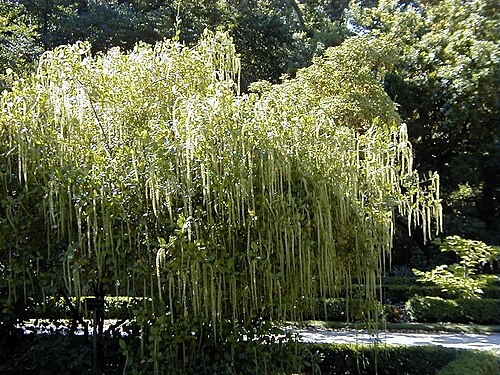
Close Relative A. Barra / CC BY 3.0 · cc-by
Help improve the field guideSomething wrong?
Checking your Fauna account…Report a name, category, or profile issue for review.