
Plant
Sweet Pepperbush
Clethra alnifoliaAlso known as Coastal Sweetpepperbush, Summer Sweet, White Alder
Sweet pepperbush fills damp eastern woodlands with a rich, spicy fragrance during peak summer when few other woody plants bloom. Its bottle-brush spikes of creamy white flowers attract dense crowds of bees, butterflies, and hummingbirds, followed by dried peppercorn-like seed capsules that persist through winter. Spreading slowly via underground suckers, this hardy wetland shrub forms dense thickets that stabilize stream banks and provide vital shelter for wildlife.
FloweringFragrantWetland
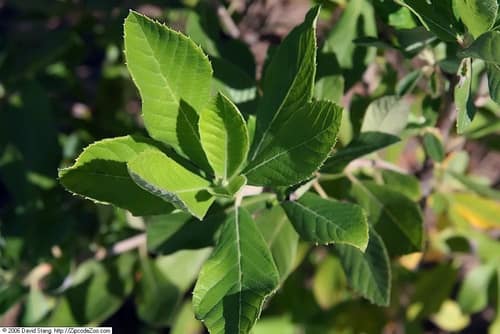
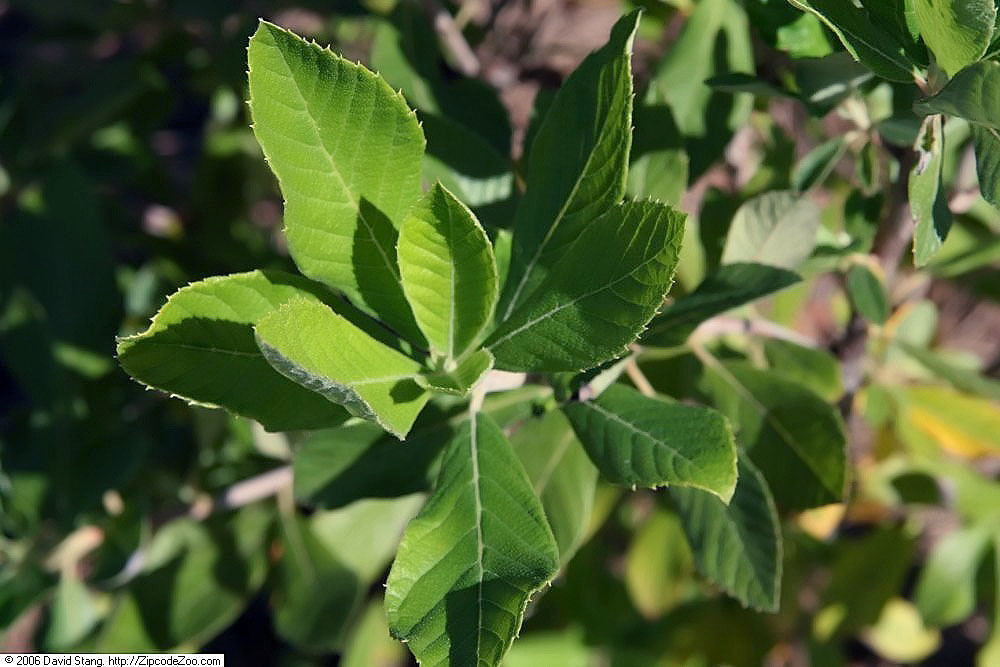
—observations
—countries
—peak records
Least ConcernConservation statusIUCN Red List categoriesLCNTVUENCREWEXLeast ConcernRed List categories, explained →
Diet & preySunlight, Water, Soil Nutrients
Predators
- White-tailed Deer
- Beavers
ThreatsHabitat loss, wetland drainage, invasive species competition
HabitatsWetlands, bogs, stream banks, damp coastal woods
Life span20–50+ years
Classification
- OrderEricales
- FamilyClethraceae
- GenusClethra
- SpeciesClethra alnifolia
Range data is not available yet.
Interaction riskLow
- Low
- Moderate
- High
- Very high
- Why interaction risk is low
- Safe to observe at a normal distance.
Responsible observation
- Fragrance Spotting: Look for intense spicy-sweet perfume in mid-to-late summer along wetland trails.
- Identify Seed Capsules: Observe the peppercorn-like seed capsules that linger on naked branches throughout winter.
- Pollinator Watching: Stand near blooming patches in July and August to observe diverse bees and butterflies.
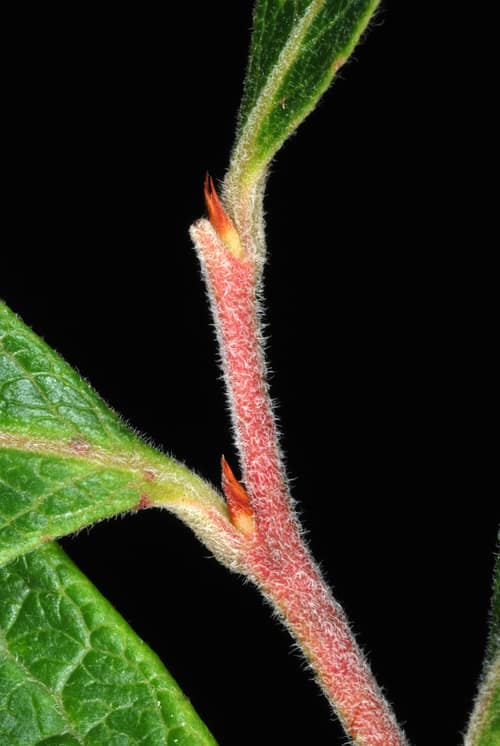
Frequent Companion (c) Douglas Goldman, some rights reserved (CC BY-SA), uploaded by Douglas Goldman · cc-by-sa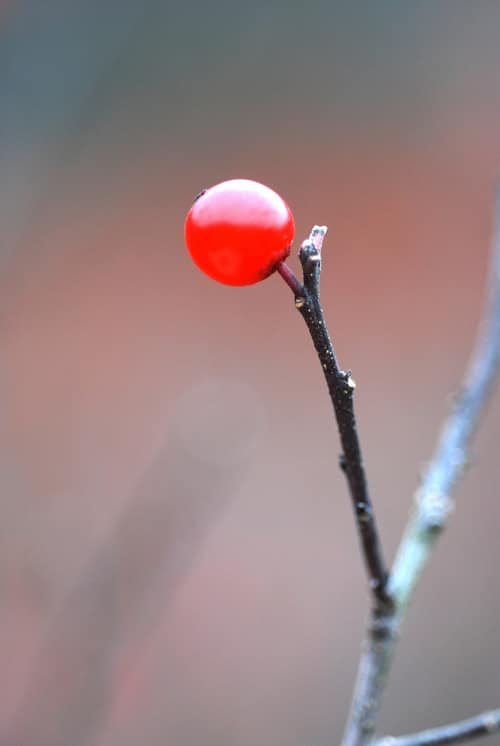
Frequent Companion (c) Douglas Goldman, some rights reserved (CC BY-SA), uploaded by Douglas Goldman · cc-by-sa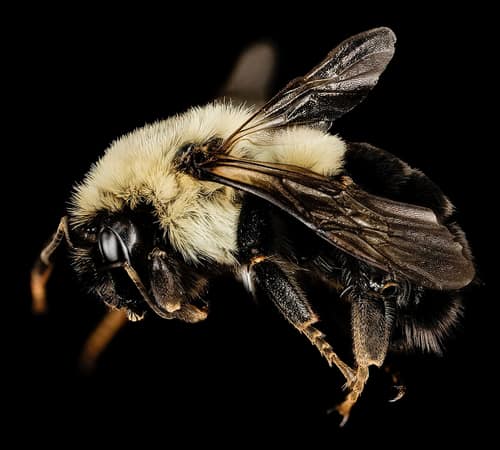
Pollinator USGS Bee Inventory and Monitoring Lab from Beltsville, Maryland, USA / Public domain · cc0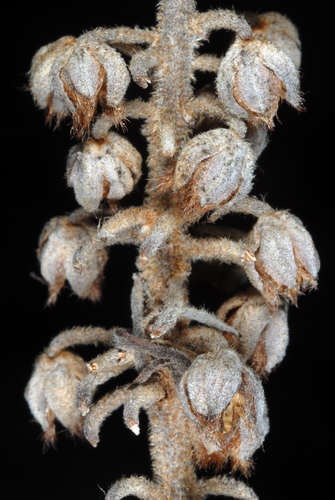
Close Relative (c) Douglas Goldman, some rights reserved (CC BY-SA), uploaded by Douglas Goldman · cc-by-sa
Help improve the field guideSomething wrong?
Checking your Fauna account…Report a name, category, or profile issue for review.