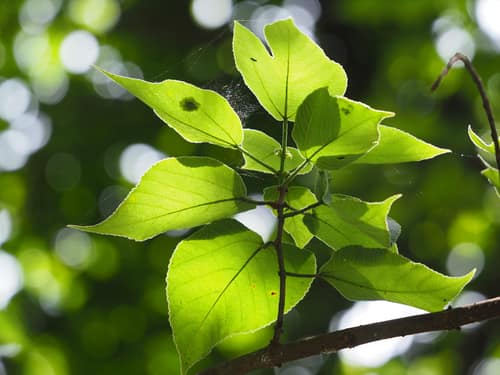
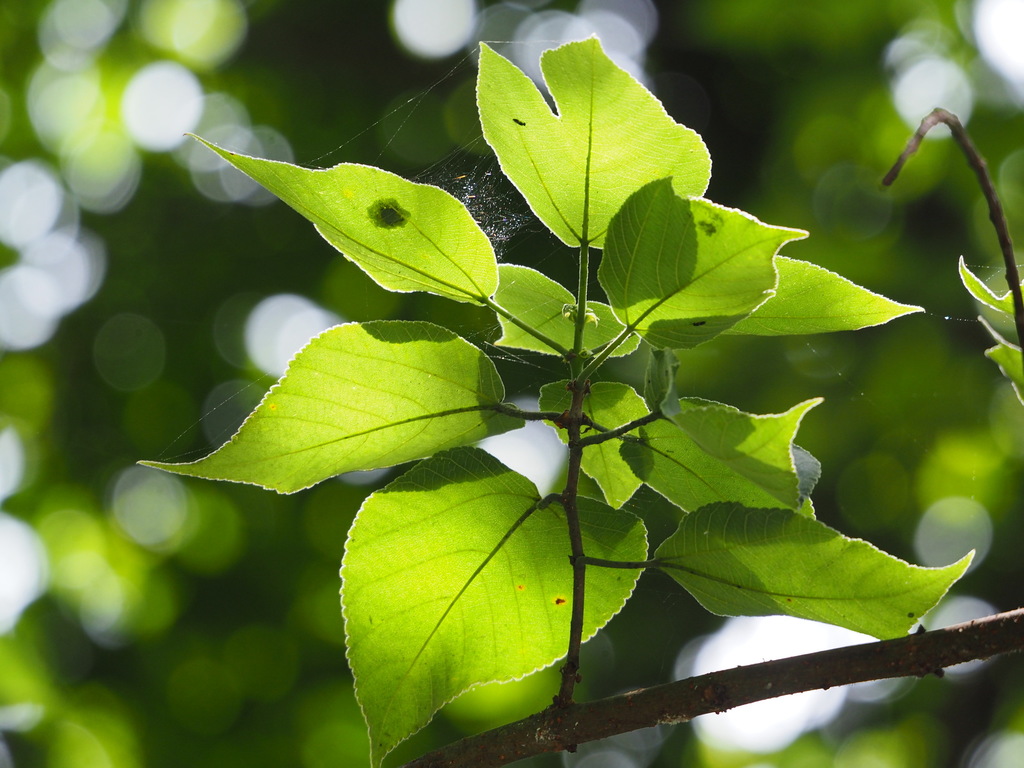
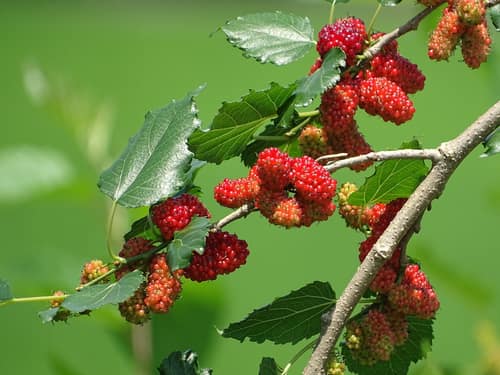
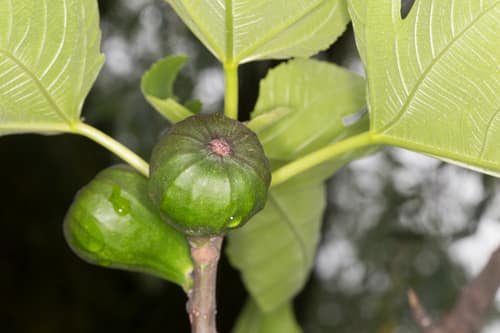
Paper mulberry is a vigorous, fast-growing deciduous tree recognized for its remarkably variable foliage, which ranges from simple oval leaves to deeply lobed, mitten-like silhouettes on a single branch. Male and female flowers grow on separate trees, with males bearing long pendulous catkins that release explosive puffs of wind-borne pollen, while females develop into fuzzy spherical clusters followed by vibrant orange fruit heads. Historically transported across the Pacific by seafaring peoples, its fibrous inner bark provided the essential raw material for traditional Polynesian tapa cloth as well as ancient Asian paper.
Pollen causes severe respiratory allergies; wild fruits have toxic look-alikes, so never ingest based on app identification alone.
Why it is dangerous
Male catkins release massive quantities of buoyant wind-borne pollen that frequently triggers severe allergic rhinitis, conjunctivitis, and acute asthma attacks.
How to recognize a risky encounter
Look for dangling, woolly cylindrical male catkins up to eight centimeters long on trees with velvety leaf undersides.
What to do
Avoid standing downwind of flowering male trees in peak spring, and wear an N95 mask if clearing dense brush.
Responsible observation
Leaf variation: Examine single branches to spot leaves shifting from smooth ovals to deeply lobed forms.
Spring catkins: Look for male trees shedding yellow clouds of powdery pollen in early spring breezes.
Bark inspection: Check the pale gray trunk for fibrous inner layers historically harvested for barkcloth.